
Opis produktu
If you are interested in our RV9 agricultural gearbox,please feel free to contact me!
| Funkcjonować: | Speed Increase |
|---|---|
| Układ: | Custom-Made |
| Twardość: | Utwardzona powierzchnia zęba |
| Instalacja: | Typ ramienia momentu obrotowego |
| Krok: | Custom-Made |
| Typ: | Przekładnia planetarna |
| Próbki: |
US$ 108/Piece
1 sztuka (minimalne zamówienie) | |
|---|
| Personalizacja: |
Dostępny
| Spersonalizowane żądanie |
|---|
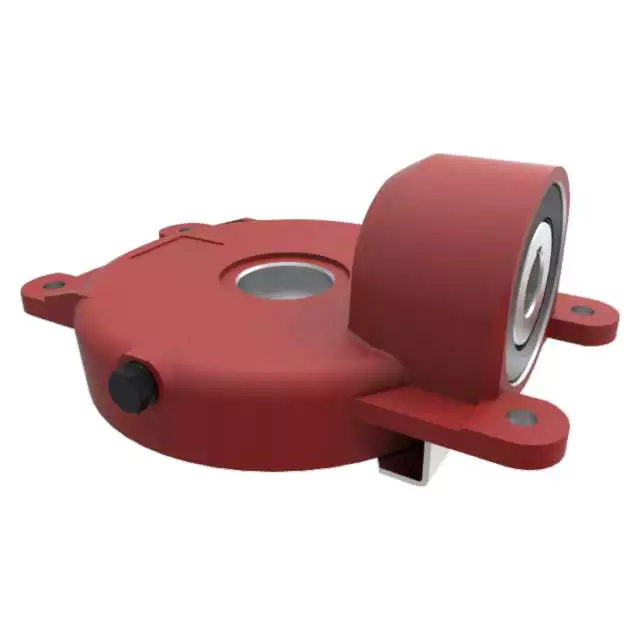
Lubrication Practices for Extending the Lifespan of Agricultural Gearboxes
Proper lubrication is essential for ensuring the longevity and optimal performance of agricultural gearboxes. Here are some essential lubrication practices that can help extend the lifespan of these gearboxes:
- Choose the Right Lubricant: Select a high-quality lubricant specifically designed for gearboxes and agricultural machinery. Consider factors such as viscosity, temperature range, and load-bearing capacity to ensure compatibility with the gearbox’s operating conditions.
- Regular Inspection: Perform regular visual inspections of the gearbox and lubricant to check for signs of contamination, wear, or inadequate lubrication. Address any issues promptly to prevent further damage.
- Cleanliness: Maintain a clean environment around the gearbox to minimize the risk of dirt, debris, and moisture entering the gearbox housing. Contaminants can compromise the lubricant’s effectiveness and accelerate wear.
- Lubricant Level: Monitor and maintain the proper lubricant level in the gearbox. Insufficient lubrication can lead to increased friction and heat, causing premature wear and potential damage to gears and bearings.
- Replace Lubricant: Follow the manufacturer’s recommendations for lubricant change intervals. Over time, lubricants can degrade, lose their properties, and become contaminated. Regularly replacing the lubricant helps ensure optimal performance.
- Use Lubrication Schedule: Create a lubrication schedule based on the gearbox’s usage and operating conditions. Stick to the recommended intervals for applying or changing lubricant to prevent under-lubrication or over-lubrication.
- Appropriate Lubrication Method: Follow the manufacturer’s guidelines for the correct lubrication method, whether it’s through oil bath, grease, or automatic lubrication systems. Proper application ensures even distribution of lubricant across gear surfaces.
- Temperature Considerations: Be aware of temperature variations in your operating environment. Extreme temperatures can affect lubricant viscosity and performance. Choose a lubricant that can handle the temperature range of your equipment.
- Expert Advice: Consult the gearbox manufacturer or a lubrication specialist to determine the best lubrication practices for your specific agricultural gearbox model and application.
By adhering to these lubrication practices, farmers can maximize the lifespan of their agricultural gearboxes, minimize downtime, and ensure efficient and reliable operation of their equipment.
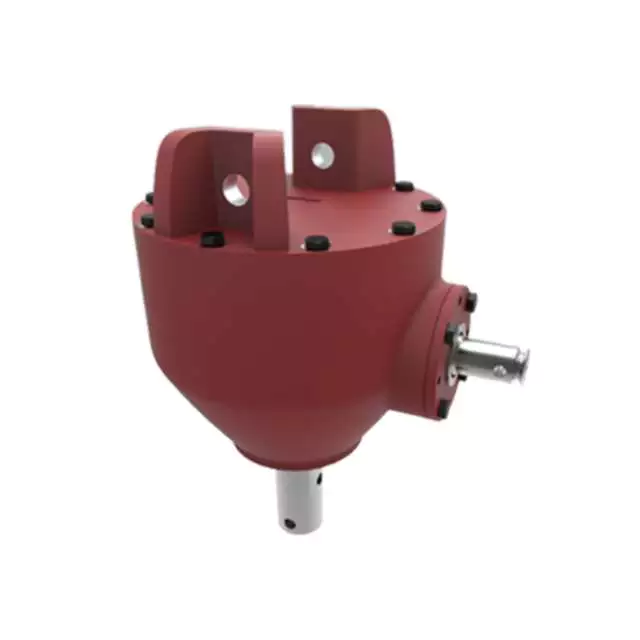
Potential Challenges in Maintenance and Repairs of Agricultural Gearboxes
Maintenance and repairs of gearboxes in agriculture can pose several challenges:
- Harsh Environments: Agricultural machinery operates in challenging environments with exposure to dirt, debris, moisture, and varying temperatures. These conditions can accelerate wear and corrosion, necessitating frequent maintenance.
- Heavy Workloads: Gearboxes in farming equipment often handle heavy workloads, leading to increased stress on components. This can result in faster wear and tear, requiring more frequent inspections and part replacements.
- Accessibility: Some gearboxes are located in hard-to-reach areas of machinery. This makes regular maintenance and repairs more challenging, as technicians may need specialized tools and equipment to access and service the gearboxes.
- Specialized Knowledge: Proper maintenance of agricultural gearboxes requires specialized knowledge and skills. Inadequate understanding of gearbox mechanics and maintenance practices can lead to improper repairs, reducing the gearbox’s lifespan and efficiency.
- Costs: Repairing or replacing gearbox components can be costly, especially for heavy-duty agricultural machinery. Farmers need to consider both the direct costs of parts and labor, as well as potential downtime during repair processes.
- Downtime: The downtime required for gearbox maintenance or repairs can impact farming operations, especially during critical planting or harvesting seasons. Efficient scheduling and backup equipment can help mitigate this challenge.
- Availability of Parts: Obtaining replacement parts for older or less common gearbox models can be challenging. Farmers may need to source parts from specialized suppliers, leading to potential delays in repairs.
Addressing these challenges requires proactive maintenance planning, regular inspections, proper training of maintenance personnel, and sourcing spare parts in advance.
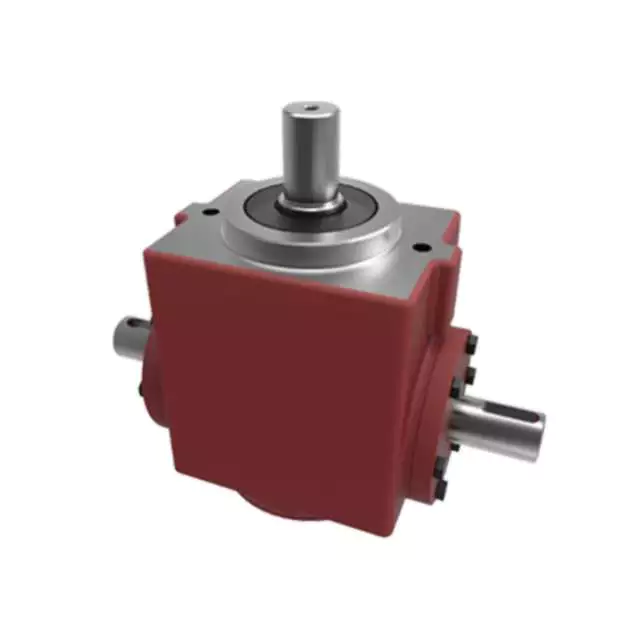
Wkład skrzyń biegów rolniczych w funkcjonalność ciągnika
Skrzynia biegów w maszynach rolniczych jest kluczowym elementem układu napędowego ciągnika, odgrywającym kluczową rolę w wykonywaniu szerokiego zakresu zadań w gospodarstwie rolnym. Funkcjonalność ciągników w dużej mierze zależy od prawidłowego działania ich skrzyń biegów, które umożliwiają realizację szeregu istotnych funkcji:
- Przenoszenie mocy: Ciągniki muszą dostarczać znaczną moc i moment obrotowy do wykonywania zadań takich jak orka, uprawa roli i transport. Przekładnie rolnicze przekazują moc z silnika ciągnika na koła lub inne narzędzia, umożliwiając efektywne przenoszenie mocy na podłoże.
- Kontrola prędkości: Różne prace rolnicze wymagają różnych prędkości. Skrzynie biegów pozwalają operatorom kontrolować prędkość ciągnika, dostosowując ją do wymagań danego zadania. Niezależnie od tego, czy chodzi o prace z niską prędkością, takie jak orka, czy szybki transport, skrzynia biegów zapewnia niezbędną regulację prędkości.
- Załącznik do narzędzia: Ciągniki są często używane z różnymi narzędziami, takimi jak pługi, brony i kosiarki. Skrzynia biegów ułatwia podłączenie i obsługę tych narzędzi, przenosząc moc i moment obrotowy z silnika ciągnika na podzespoły robocze narzędzia.
- Zmiany kierunkowe: Przekładnie rolnicze umożliwiają ciągnikom płynną zmianę kierunku jazdy. Zapewniają one niezbędne przełożenia do zmiany kierunku jazdy ciągnika, ułatwiając manewrowanie na farmie, polach i pokonywanie przeszkód.
- Adaptacja do terenu: Przekładnie rolnicze pomagają ciągnikom dostosować się do zróżnicowanych warunków terenowych i glebowych. Regulując przełożenie, ciągniki mogą zoptymalizować swoją wydajność podczas takich zadań, jak pokonywanie wzniesień, praca na nierównym terenie czy ciągnięcie ciężkich ładunków.
Nowoczesne przekładnie rolnicze są projektowane z myślą o trwałości i niezawodności w wymagających warunkach rolniczych. Często są wyposażone w takie rozwiązania, jak przekładnie wielobiegowe, mechanizmy synchronizacji i wydajne systemy smarowania, aby zwiększyć ich wydajność i żywotność.
Regularna konserwacja i okresowe kontrole są niezbędne do utrzymania skrzyni biegów w optymalnym stanie. Prawidłowe smarowanie, kontrola przekładni oraz reagowanie na wszelkie oznaki zużycia lub uszkodzeń przyczyniają się do trwałości i stałej wydajności skrzyni biegów, zapewniając tym samym funkcjonalność ciągnika przez cały sezon rolniczy.


redaktor przez CX 2023-09-22