
Product Description
Product Description
The HMHG-III series harmonic reducer has a compact structure with a through-hole. The wave generator has a large diameter hollow shaft with cross roller bearings to withstand radial and axial loads. This institution is simple and convenient for users to install customly.
Principle of harmonic gear transmission
The harmonic gear drive was invented by the American inventor C.W.Musser in 1955. It is a new transmission mode using the elastic deformation of flexible working components to carry out movement or power transmission. It breaks through the mode of mechanical transmission using rigid components and uses a flexible component to achieve mechanical transmission. Thus, a series of special functions that are difficult to achieve with other drives are obtained. Because the deformation process of the intermediate flexible component is basically a symmetrical harmonic, it is named. In addition to the Soviet Union called this transmission waveform drive or flexible wheel drive, the United States, Britain, Germany, Japan and other countries are called “harmonic drive”.
Harmonic deceleration principle
The deceleration principle of harmonic gear transmission refers to the use of the relative motion of the flexwheel, rigid wheel and wave generator, mainly the controllable elastic deformation of the flexwheel to achieve motion and power transmission. The elliptic CAM in the wave generator rotates in the flexwheel so that the flexwheel deforms. When the flexwheel teeth and rigid wheel teeth at both ends of the long axis of the elliptic CAM of the wave generator are engaged, the flexwheel teeth at both ends of the short axis are detached from the rigid wheel teeth. The teeth between the long axis and the short axis of the wave generator are in a semi-meshing state that gradually enters the snapping along different sections of the perimeter of the flexwheel and the rigid wheel, which is called the snapping; In a semi-meshing state that gradually withdraws from engagement, it is called snapping out. When the wave generator continuously rotates, the flexwheel constantly deforms, so that the 2 wheel teeth in the biting, meshing, biting out and disengaging 4 kinds of motion constantly change their original working state, resulting in the wrong tooth movement, to achieve the active wave generator to the flexwheel movement transmission.
Product Parameters
| Model | Reduction ratio | Rated torque at input 2000r/min | Permissible CHINAMFG torque at start/ stop | Permissible max.value of ave.load torque | instantaneous permissibie max. torque | Permissible max.input rotational speed | Permissible ave.input rotational speed | Backlash(arc sec) | Transmission accuracy(arc sec) |
| Nm | Nm | Nm | Nm | r/min | r/min | ≤ | ≤ | ||
| 14 | 50 | 7 | 23 | 9 | 46 | 8000 | 3500 | 20 | 90 |
| 80 | 10 | 30 | 14 | 51 | 20 | 90 | |||
| 100 | 10 | 36 | 14 | 70 | 10 | 90 | |||
| 17 | 50 | 21 | 44 | 34 | 91 | 7000 | 3500 | 20 | 90 |
| 80 | 29 | 56 | 35 | 113 | 20 | 90 | |||
| 100 | 31 | 70 | 51 | 143 | 10 | 90 | |||
| 20 | 50 | 33 | 73 | 44 | 127 | 6000 | 3500 | 20 | 60 |
| 80 | 44 | 96 | 61 | 165 | 20 | 60 | |||
| 100 | 52 | 107 | 64 | 191 | 10 | 60 | |||
| 120 | 52 | 113 | 64 | 161 | 10 | 60 | |||
| 25 | 50 | 51 | 127 | 72 | 242 | 5500 | 3500 | 20 | 60 |
| 80 | 82 | 178 | 113 | 332 | 20 | 60 | |||
| 100 | 87 | 204 | 140 | 369 | 10 | 60 | |||
| 120 | 87 | 217 | 140 | 395 | 10 | 60 | |||
| 32 | 50 | 99 | 281 | 140 | 497 | 4500 | 3500 | 20 | 60 |
| 80 | 153 | 395 | 217 | 738 | 10 | 60 | |||
| 100 | 178 | 433 | 281 | 841 | 10 | 60 | |||
| 120 | 178 | 459 | 281 | 892 | 10 | 60 | |||
| 40 | 50 | 178 | 523 | 255 | 892 | 4000 | 3000 | 10 | 60 |
| 80 | 268 | 675 | 369 | 1270 | 10 | 60 | |||
| 100 | 345 | 738 | 484 | 1400 | 10 | 60 | |||
| 120 | 382 | 802 | 586 | 1530 | 10 | 60 |
Detailed Photos
Company Profile
HangZhou Yijiaang Automation Technology Co., Ltd. was established in 2018, specializing in the application development, sales and technical services of transmission components. Main business: planetary reducer, harmonic reducer, RV reducer, DD motor, linear motor, linear module, rotary spline screw, hollow rotary platform, CAM splitter and other products. Widely used in: CNC machine tools, packaging machinery, printing machinery, automation equipment, joint robots, medical equipment, AGV and many other fields. The company regards “providing quality products and services” as its due responsibility.
The company adheres to the spirit of technological innovation and customer service, with a positive attitude of continuous endeavour, creates the value of “quality is the core”, establishes the goal of “professional perfection”, and achieves the corporate vision of “making the world move”. Focus on transmission products technical services.
FAQ
Q: What should I provide when I choose gearbox/speed reducer?
A: The best way is to provide the motor drawing with parameter. Our engineer will check and recommend the most suitable gearbox model for your refer.
Or you can also provide below specification as well:
1) Type, model and torque.
2) Ratio or output speed
3) Working condition and connection method
4) Input mode and input speed
/* March 10, 2571 17:59:20 */!function(){function s(e,r){var a,o={};try{e&&e.split(“,”).forEach(function(e,t){e&&(a=e.match(/(.*?):(.*)$/))&&1
| Application: | Machinery, Agricultural Machinery, Car, Robot |
|---|---|
| Hardness: | Hardened Tooth Surface |
| Installation: | Horizontal Type |
| Layout: | Coaxial |
| Gear Shape: | Cylindrical Gear |
| Step: | Single-Step |
| Samples: |
US$ 350/Piece
1 Piece(Min.Order) | |
|---|
| Customization: |
Available
| Customized Request |
|---|
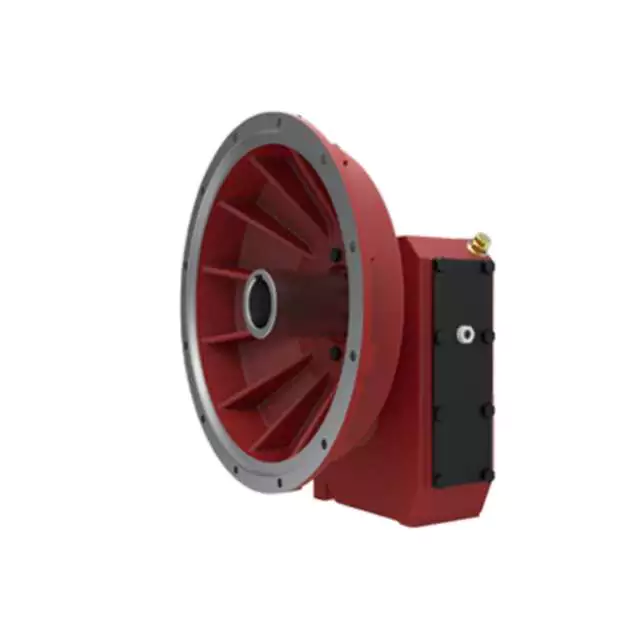
Using Agricultural Gearboxes in Specialized Tasks: Tilling and Planting
Agricultural gearboxes are versatile components that play a crucial role in various farming operations, including specialized tasks such as tilling and planting. Here’s how agricultural gearboxes are utilized in these tasks:
- Tilling: Tilling is an essential step in preparing the soil for planting. Agricultural gearboxes are used in tractor-mounted tillers to drive the rotating tines that break up and turn over the soil. The gearbox’s high torque capabilities and power transmission efficiency allow the tiller to work effectively even in tough soil conditions. Adjustable gear ratios in the gearbox enable operators to control the tiller’s speed and penetration depth, optimizing soil preparation.
- Planting: Precision planting requires accurate seed placement and spacing to maximize crop yield. Agricultural gearboxes are integrated into planting equipment to drive mechanisms that distribute seeds evenly at the desired depth. The gearbox’s ability to transmit power with precision ensures consistent seed placement, contributing to uniform germination and plant growth. Some gearboxes in planting equipment also offer variable speed options, allowing farmers to adjust planting rates based on seed types and field conditions.
By enabling efficient power transmission and offering customizable speed and torque settings, agricultural gearboxes enhance the effectiveness of specialized tasks like tilling and planting. Farmers can rely on these gearboxes to achieve optimal soil preparation and planting accuracy, ultimately contributing to higher crop yields.
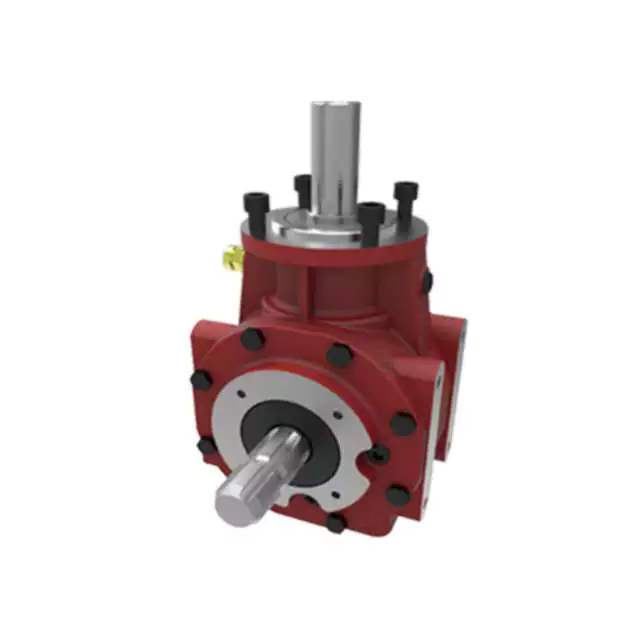
Specific Safety Precautions for Agricultural Gearbox Operation
Operating agricultural machinery with gearboxes requires careful attention to safety to prevent accidents and ensure the well-being of operators and bystanders. Here are some specific safety precautions associated with agricultural gearbox operation:
- Read the Manual: Familiarize yourself with the manufacturer’s manual for the specific gearbox and machinery. It provides valuable information about proper operation, maintenance, and safety guidelines.
- Proper Training: Ensure that operators are trained in the safe operation of the machinery, including how to engage and disengage the gearbox, adjust speeds, and handle emergencies.
- Protective Gear: Operators should wear appropriate protective gear, such as helmets, gloves, safety goggles, and sturdy footwear, to reduce the risk of injury from debris, moving parts, or other hazards.
- Clear Workspace: Before operating the machinery, clear the area of obstacles, debris, and bystanders. Ensure a safe distance between the machinery and people.
- Secure Attachments: If the gearbox is used in conjunction with attachments, ensure that they are properly secured and mounted according to manufacturer guidelines to prevent detachment during operation.
- Engage Safely: Engage the gearbox and start the machinery only after ensuring that all personnel are at a safe distance and that the machinery is on stable ground.
- Avoid Loose Clothing: Operators should avoid wearing loose clothing or accessories that could get caught in moving parts.
- Emergency Stops: Familiarize yourself with the location of emergency stop buttons and switches on the machinery and be prepared to use them if needed.
- Regular Maintenance: Perform routine maintenance checks on the gearbox and machinery to ensure that all components are in proper working condition. Replace worn parts and lubricate components as recommended by the manufacturer.
- Shut Down Properly: When finishing a task, disengage the gearbox, shut off the machinery, and engage any safety locks to prevent accidental starts.
Following these safety precautions can greatly reduce the risk of accidents and injuries when operating agricultural machinery with gearboxes. Always prioritize safety to create a secure working environment for everyone involved.
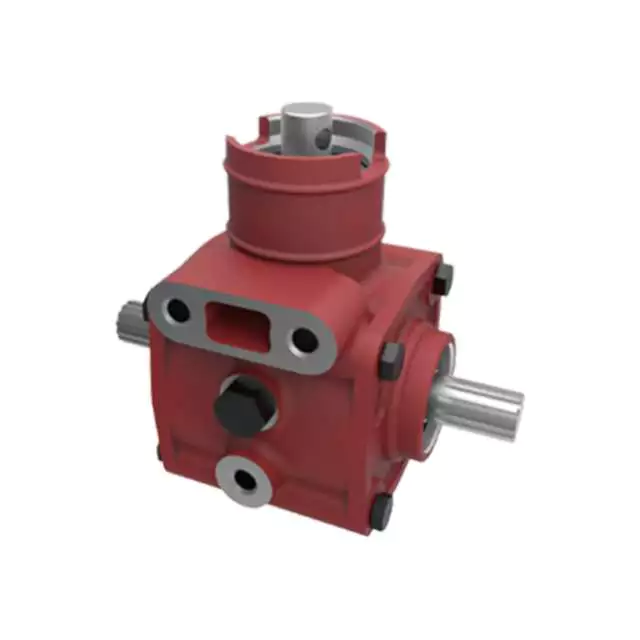
Role of Agricultural Gearboxes in Agricultural Machinery
An agricultural gearbox is a specialized type of gearbox used in various agricultural machinery and equipment. It plays a crucial role in the proper functioning of agricultural equipment by transmitting power and torque from the engine to the different components that perform specific tasks in the field.
Agricultural gearboxes are designed to withstand the demanding conditions of agricultural operations, including exposure to dust, dirt, moisture, and heavy loads. They are commonly used in a wide range of agricultural machinery, including tractors, combines, tillers, sprayers, and more.
The primary functions of agricultural gearboxes include:
- Power Transmission: Agricultural gearboxes transmit power from the engine to various components, such as wheels, blades, and belts, enabling them to perform their respective tasks.
- Speed Control: Gearboxes allow operators to control the speed and output torque of agricultural machinery. Different tasks require different speeds and levels of torque, and gearboxes provide the necessary adjustments.
- Direction Change: Many agricultural operations require changing the direction of rotational motion. Gearboxes enable smooth and efficient direction changes without the need for complex mechanical arrangements.
- Adaptation to Tasks: Agricultural gearboxes are equipped with various gears and shafts that can be configured to match the requirements of specific tasks, such as plowing, planting, harvesting, and more.
These gearboxes come in different configurations, such as straight-cut gears, helical gears, and planetary gears, depending on the specific application and requirements. The choice of gearbox type, gear ratio, and design factors contribute to the overall performance, efficiency, and durability of agricultural machinery.
Regular maintenance and lubrication are essential to ensure the longevity and reliable operation of agricultural gearboxes. Proper care and upkeep help prevent premature wear and damage, ensuring that the machinery performs optimally throughout the farming seasons.


editor by CX 2024-02-23