
Opis produktu
Ten skrzynia biegów is generally used for low-speed and high-torque transmission equipment. The power of the electric motor, internal combustion engine or other high-speed operation is achieved through the gear of the input shaft of the reducer meshing with the large gear on the output shaft. The ratio of the number of teeth is the transmission ratio.There 4 type gearbox for paper mill,pls check the follow informations:
Worm/spiral bevel gearbox reducer
1. Worm/spiral bevel gear reducer is manufactured in accordance with international technical requirements and has a high technological content.
2. It saves space, is reliable and durable, with high overload capacity, and the power can reach more than 200KW.
3. Low energy consumption, superior performance, and the reducer efficiency is as high as 95%.
4. K spiral bevel gear reducer has low vibration, low noise and high energy saving.
5. The spiral bevel gear reducer is made of high-quality steel material, rigid cast iron box, and the surface of the gear is high-frequency heat treated.
6. After precision processing, the reducer that forms the transmission assembly of helical gears, bevel gears and bevel gears is equipped with various types of motors, forming an electromechanical integration, which fully guarantees the quality characteristics of the geared motor products.
2. Performance characteristics:
1. Vertical output, compact structure, hard tooth surface transmission torque, high-precision gears ensure stable work, low noise and long life.
2. Installation method: foot installation, hollow shaft installation, flange installation, torque arm installation, small flange installation.
3. Input mode: motor direct connection, motor belt connection or input shaft, connection flange input.
4. Output mode: hollow shaft output or CZPT shaft output, the average efficiency is 94%.
5. Combine with R series to get larger speed ratio.
3. Technical parameters:
| Speed ratio range: | basic type 5.36~197.37, K/R combination type can reach 32625 |
| Torque range: | 200~50000 Nm |
| Power range: | 0.18~200 kW |
Helical gear hardened gear reducer
1. R series helical gear hardened gear reducer is manufactured in accordance with international technical requirements and has a high technological content;
2. Hard tooth surface reducer saves space, is reliable and durable, has high overload capacity, and the power can reach 132KW;
3. Low energy consumption, superior performance, and the reducer efficiency is as high as 95% or more;
4. Low vibration, low noise and high energy saving;
5. The helical gear reducer is made of high-quality forged steel material, rigid cast iron box, and the surface of the gear is high-frequency heat treated;
6. After precision machining to ensure shaft parallelism and positioning bearing requirements, the reducer forming the helical gear transmission assembly is equipped with various types of motors, combined into mechatronics, which fully guarantees the quality characteristics of the geared motor products.
2.Features:
1. Small offset output, compact structure, maximum use of cabinet space, the second and third levels are in the same cabinet.
2. It adopts integral casting box, which has good structural rigidity, which is easy to improve the strength of the shaft and the life of the bearing.
3. Installation method: foot installation, flange installation with large and small flanges, easy to choose.
4. With CZPT shaft output, the average efficiency is 96% for the second stage, 94% for the third stage, and 85% for the R/R combination.
5. The RM series specially designed for mixing can bear larger axial and radial forces.
3. Technical parameters:
| Speed ratio range: | R basic type 3.33~289.74, RX type 1.3~8.65, R/R combined type can reach 27001 |
| Torque range: | R basic type 85~18000 Nm, RX type 20~1680 Nm |
| Power range: | R basic type 0.18~160 kW, RX type 0.18~132 kW |
Parallel shaft helical gear reducer
1. The F series parallel shaft helical gear reducer is manufactured in accordance with international technical requirements and has a high technological content.
2. It saves space, is reliable and durable, has high overload capacity, and the power can reach more than 90KW.
3. F parallel shaft helical gear reducer has low energy consumption, superior performance and efficiency as high as 95%.
4. Parallel shaft helical gear reducer has low vibration, low noise and high energy saving. It is made of high-quality steel material, rigid cast iron box, and the surface of the gear is high-frequency heat treated.
5. After precision machining, the shaft parallelism and positioning accuracy are ensured. All of this constitutes the gear transmission assembly. The reducer is equipped with various motors, forming a mechatronics, which fully guarantees the quality characteristics of the geared motor products.
2.Features:
1. Parallel output, compact structure, large transmission torque, stable operation, low noise and long life.
2. Installation method: base installation, hollow shaft installation, flange installation, torque arm installation, small flange installation.
3. The rotation direction of the input and output of the basic two-stage is the same, and the three-stage is opposite; another consultation is needed for F/R combination.
4. Output mode: hollow shaft output or CZPT shaft output.
5. Average efficiency: 96% for level two, 94% for level three, and 85% for F/R combination.
3. Technical parameters:
| Speed ratio range: | basic type 3.81~281.71, F/R combination type can reach 31434 |
| Torque range: | 200~18000 Nm |
| Power range: | 0.18~200 kW |
Helical gear worm gear reducer
1. The S series helical gear worm reducer has a high technological content. It has a combination of helical gear and worm gear for integrated transmission, which improves the torque and efficiency of the machine. This series of products have complete specifications, wide speed range, good versatility, adapt to various installation methods, safe and reliable performance and long life, and have implemented international standards.
2. The surface of the body has a heat dissipation effect, strong vibration absorption, low temperature rise and low noise.
3. The machine has good sealing performance and strong adaptability to the working environment.
4. The helical gear worm gear reducer has high transmission accuracy, which is especially suitable for working in occasions with frequent starting. It can be connected to various reducers and equipped with various types of motor drives. It can be installed in a 90 degree transmission operation.
position.
5. The key components of the S helical gear reducer are made of highly wear-resistant materials and have undergone special heat treatment. They have the characteristics of high machining accuracy, stable transmission, small size, large carrying capacity, and long life.
6. The helical gear reducer can be equipped with various types of motors, forming an electromechanical integration, which fully guarantees the quality characteristics of the product.
2.Features:
1. Combination of helical gear and worm gear, compact structure and large reduction ratio.
2. Installation method: foot installation, hollow shaft installation, flange installation, torque arm installation, small flange installation.
3. Input mode: motor direct connection, motor belt connection or input shaft, connection flange input.
4. Average efficiency: reduction ratio of 7.5-69.39 is 77%; 70.43-288 is 62%; S/R combination is 57%.
5. Combine with R series to get larger speed ratio.
3. Technical parameters:
| Speed ratio range: | basic type 9.96~244.74, S/R combination type can reach 8608 |
| Torque range: | 43~4200 Nm |
| Power range: | 0.18~22 kW |
Uszczelka
Contact us to have more details about “Gearbox “
| Aplikacja: | Motor, Machinery, Agricultural Machinery, Paper Mill |
|---|---|
| Funkcjonować: | Distribution Power, Change Drive Direction, Speed Changing, Speed Reduction, Speed Increase |
| Układ: | Trzypierścieniowe |
| Twardość: | Utwardzona powierzchnia zęba |
| Instalacja: | Typ poziomy |
| Krok: | Trzy kroki |
| Personalizacja: |
Dostępny
| Spersonalizowane żądanie |
|---|
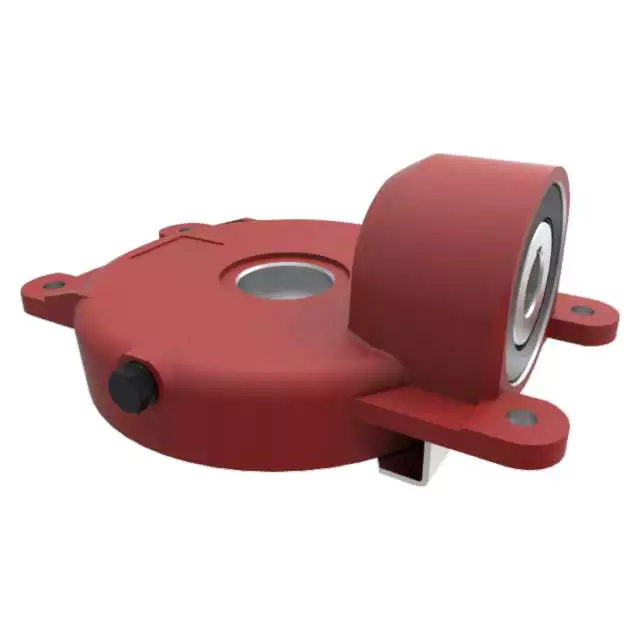
Lubrication Practices for Extending the Lifespan of Agricultural Gearboxes
Proper lubrication is essential for ensuring the longevity and optimal performance of agricultural gearboxes. Here are some essential lubrication practices that can help extend the lifespan of these gearboxes:
- Choose the Right Lubricant: Select a high-quality lubricant specifically designed for gearboxes and agricultural machinery. Consider factors such as viscosity, temperature range, and load-bearing capacity to ensure compatibility with the gearbox’s operating conditions.
- Regular Inspection: Perform regular visual inspections of the gearbox and lubricant to check for signs of contamination, wear, or inadequate lubrication. Address any issues promptly to prevent further damage.
- Cleanliness: Maintain a clean environment around the gearbox to minimize the risk of dirt, debris, and moisture entering the gearbox housing. Contaminants can compromise the lubricant’s effectiveness and accelerate wear.
- Lubricant Level: Monitor and maintain the proper lubricant level in the gearbox. Insufficient lubrication can lead to increased friction and heat, causing premature wear and potential damage to gears and bearings.
- Replace Lubricant: Follow the manufacturer’s recommendations for lubricant change intervals. Over time, lubricants can degrade, lose their properties, and become contaminated. Regularly replacing the lubricant helps ensure optimal performance.
- Use Lubrication Schedule: Create a lubrication schedule based on the gearbox’s usage and operating conditions. Stick to the recommended intervals for applying or changing lubricant to prevent under-lubrication or over-lubrication.
- Appropriate Lubrication Method: Follow the manufacturer’s guidelines for the correct lubrication method, whether it’s through oil bath, grease, or automatic lubrication systems. Proper application ensures even distribution of lubricant across gear surfaces.
- Temperature Considerations: Be aware of temperature variations in your operating environment. Extreme temperatures can affect lubricant viscosity and performance. Choose a lubricant that can handle the temperature range of your equipment.
- Expert Advice: Consult the gearbox manufacturer or a lubrication specialist to determine the best lubrication practices for your specific agricultural gearbox model and application.
By adhering to these lubrication practices, farmers can maximize the lifespan of their agricultural gearboxes, minimize downtime, and ensure efficient and reliable operation of their equipment.
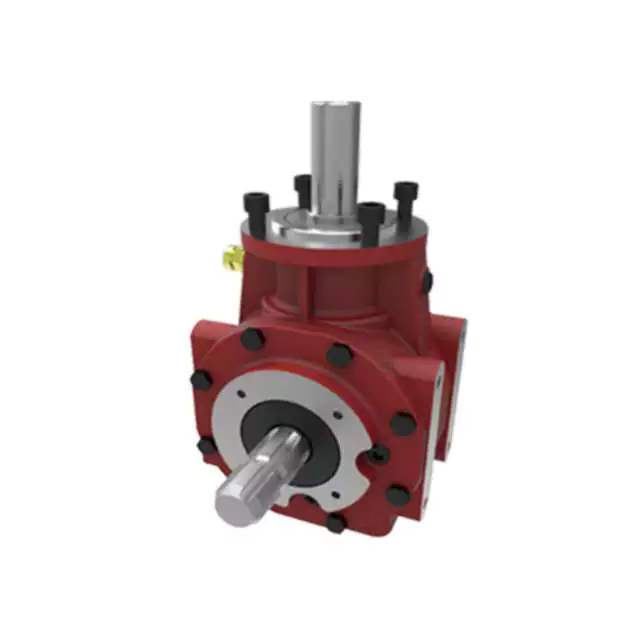
Szczególne środki ostrożności dotyczące obsługi przekładni rolniczych
Obsługa maszyn rolniczych ze skrzyniami biegów wymaga szczególnej uwagi w zakresie bezpieczeństwa, aby zapobiec wypadkom i zapewnić bezpieczeństwo operatorom oraz osobom postronnym. Oto kilka szczególnych środków ostrożności związanych z obsługą przekładni rolniczych:
- Przeczytaj instrukcję: Zapoznaj się z instrukcją producenta konkretnej skrzyni biegów i maszyny. Zawiera ona cenne informacje na temat prawidłowej obsługi, konserwacji i zasad bezpieczeństwa.
- Właściwe szkolenie: Należy upewnić się, że operatorzy zostali przeszkoleni w zakresie bezpiecznej obsługi maszyn, obejmującej m.in. sposób włączania i wyłączania skrzyni biegów, regulacji prędkości i postępowania w sytuacjach awaryjnych.
- Sprzęt ochronny: Operatorzy powinni nosić odpowiedni sprzęt ochronny, taki jak kask, rękawice, okulary ochronne i solidne obuwie, aby zmniejszyć ryzyko obrażeń spowodowanych odłamkami, ruchomymi częściami lub innymi zagrożeniami.
- Wyczyść przestrzeń roboczą: Przed uruchomieniem maszyny należy usunąć przeszkody, gruz i osoby postronne. Zachować bezpieczną odległość między maszyną a ludźmi.
- Bezpieczne załączniki: Jeżeli skrzynia biegów jest używana w połączeniu z osprzętem, należy upewnić się, że jest on prawidłowo zabezpieczony i zamontowany zgodnie z wytycznymi producenta, aby zapobiec jego odłączeniu się podczas pracy.
- Aktywuj się bezpiecznie: Przekładnię i maszynę można włączyć dopiero po upewnieniu się, że cały personel znajduje się w bezpiecznej odległości i że maszyna stoi na stabilnym podłożu.
- Unikaj luźnej odzieży: Operatorzy powinni unikać noszenia luźnej odzieży i akcesoriów, które mogłyby zostać wciągnięte przez ruchome części.
- Zatrzymania awaryjne: Zapoznaj się z lokalizacją przycisków i przełączników awaryjnego zatrzymania maszyny i bądź przygotowany do ich użycia w razie potrzeby.
- Regularna konserwacja: Przeprowadzaj rutynowe kontrole konserwacyjne skrzyni biegów i maszyn, aby upewnić się, że wszystkie podzespoły są w dobrym stanie technicznym. Wymień zużyte części i nasmaruj podzespoły zgodnie z zaleceniami producenta.
- Wyłącz prawidłowo: Po zakończeniu pracy należy wyłączyć skrzynię biegów, wyłączyć maszynę i włączyć wszelkie blokady bezpieczeństwa, aby zapobiec przypadkowemu uruchomieniu.
Przestrzeganie tych środków ostrożności może znacznie zmniejszyć ryzyko wypadków i obrażeń podczas obsługi maszyn rolniczych ze skrzyniami biegów. Zawsze priorytetowo traktuj bezpieczeństwo, aby zapewnić bezpieczne środowisko pracy wszystkim osobom zaangażowanym.
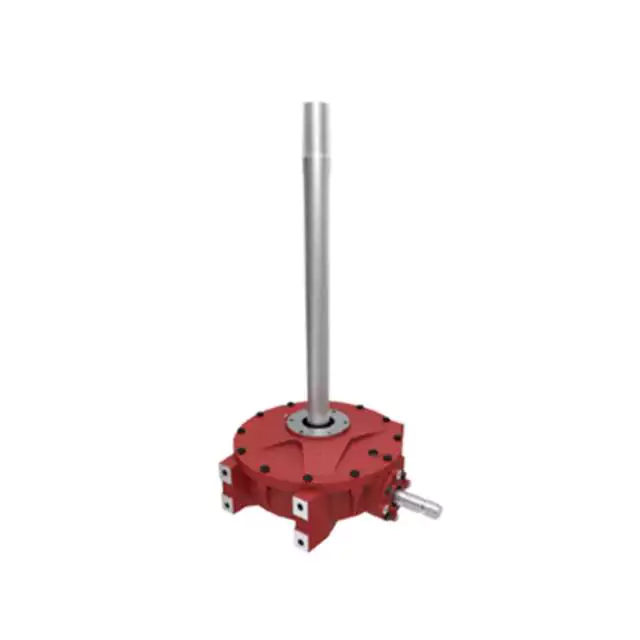
Rodzaje przekładni rolniczych do zadań specjalnych
Różne typy przekładni rolniczych są projektowane z myślą o specyficznych zadaniach i zastosowaniach w rolnictwie. Przekładnie te są projektowane tak, aby spełniać specyficzne wymagania różnych maszyn i operacji rolniczych. Niektóre popularne typy przekładni rolniczych obejmują:
- Przekładnie kosiarek rotacyjnych: Te przekładnie są stosowane w kosiarkach rotacyjnych i rozdrabniaczach. Przenoszą moc z wału odbioru mocy (WOM) ciągnika na ostrza, umożliwiając wydajne koszenie trawy, upraw i roślinności.
- Przekładnie rozrzutników obornika: Rozrzutniki obornika wykorzystują specjalistyczne przekładnie do równomiernego rozprowadzania obornika na polach. Przekładnie te zapewniają równomierne rozprowadzanie nawozu przy jednoczesnym dostosowywaniu się do zmiennych obciążeń.
- Przekładnie żniwne: Przekładnie stosowane w maszynach żniwnych, takich jak kombajny i maszyny do zbioru, umożliwiają wydajny zbiór, młócenie i oddzielanie plonów od łodyg. Przekładnie te wytrzymują duże obciążenia i zmienne warunki pracy.
- Przekładnie siewników rzędowych: Siewniki rzędowe wymagają przekładni, aby precyzyjnie i w regularnych odstępach czasu rozprowadzać nasiona. Przekładnie te zapewniają precyzyjne rozmieszczenie nasion, co przekłada się na optymalne kiełkowanie i wzrost plonów.
- Przekładnie zgrabiarki: Zgrabiarki wykorzystują przekładnie do zbierania i układania siana w pokosy do belowania. Przekładnie te pomagają zoptymalizować proces zbierania siana.
- Przekładnie systemów nawadniających: W systemach nawadniania rolniczego można stosować przekładnie do sterowania ruchem i położeniem urządzeń nawadniających, co pozwala na wydajne rozprowadzanie wody na polach.
- Przekładnie maszyn uprawowych: Gearboxes used in tillage equipment, such as plows and cultivators, help break up soil, prepare seedbeds, and promote seedling emergence.
- Skrzynie biegów ciągników: Ciągniki mogą być wyposażone w różnego rodzaju skrzynie biegów, służące m.in. do zmiany biegów, napędzania wału odbioru mocy i obsługi osprzętu.
- Przekładnie ślimakowe do zboża: Przenośniki ślimakowe do zboża wykorzystują przekładnie, aby ułatwić przemieszczanie zebranego ziarna z jednego miejsca do drugiego, np. z kombajnu do zbiornika magazynowego.
Każdy typ przekładni rolniczej został zaprojektowany z uwzględnieniem specyficznych cech, nośności i trwałości, aby sprostać wymaganiom danego zadania. Producenci projektują te przekładnie tak, aby wytrzymywały trudne warunki panujące w rolnictwie, zapewniając jednocześnie wydajność i niezawodność.


editor by CX 2023-09-06