
Opis produktu
Agricultural Machinery Gearbox Agriculture Tractor Machinery Parts 90 Degree Angle Pto Gearbox Worm Gear Speed Reducer
Variety Materials AvailableAlloy steel, Casting, die casting, Aluminum,Brass, Zinc alloy, POM, plastic, Stainless steel, Iron, or per
your demand.Machining ProcessingForging/casting; Turning;Broaching;Teeth hobbing; Teeth burnishing;Teeth slotting;Teeth grinding;
Heating treatment; Grinding; Assembly; Testing.Heat Treatmentcarbonitriding;carburization;nitridation; vacuum quenching;frequency
quenching;temperingSurface TreatmentBlackening;Oxidation;electrophoresis;Powder coating;phosphorizationInspectionISO9001-2015
Certification; 100% responsible for your orders.
1. High strength of gearbox, gears, and shafts, sturdy and durable
2. 2 metric output shaft bore diameters(Standard and Optional)
3. Optional backstop to prevent back driving. The backstop is not recommended for the gear ratio of 5
4. Double lips skeleton oil seal combines the functions of seal and dust-proof
5. Widely used in belt conveyor and pulley drive system
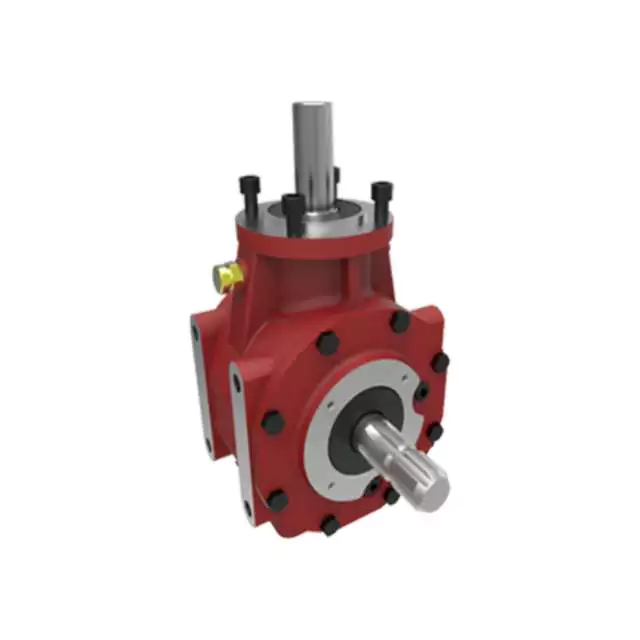
A 90 degree angle pto gearbox is a type of gearbox that is used to transmit power from a tractor’s PTO shaft to an implement that is located at a 90 degree angle to the tractor. This type of gearbox is commonly used with implements such as hay balers, mowers, and tillers.
The 90 degree angle pto gearbox typically has 2 shafts: an input shaft and an output shaft. The input shaft is connected to the tractor’s PTO shaft, and the output shaft is connected to the implement. The gears in the gearbox transmit power from the input shaft to the output shaft, and the 90 degree angle between the shafts allows the implement to be located at a 90 degree angle to the tractor.
90 degree angle pto gearboxes are available in various sizes and capacities. The gearbox size will depend on the power output of the tractor’s PTO shaft and the power requirements of the implement. The capacity of the gearbox will depend on the amount of torque that is required to operate the implement.
90 degree angle pto gearboxes are a valuable tool for farmers and other users of tractors. They allow users to operate a variety of implements at a 90 degree angle to the tractor, saving time and labor.
Here are some of the advantages of using a 90 degree angle pto gearbox:
- Increased productivity. A 90 degree angle pto gearbox can help you to increase your productivity by allowing you to operate multiple implements at the same time.
- Reduced labor costs. A 90 degree angle pto gearbox can help you to reduce your labor costs by allowing you to do more work with less people.
- Improved efficiency. A 90 degree angle pto gearbox can help you to improve the efficiency of your operations by allowing you to use the power of the tractor more effectively.
If you are looking for a way to increase your productivity, reduce your labor costs, and improve the efficiency of your operations, then a 90 degree angle pto gearbox is a great option.
/* 10 marca 2571 17:59:20 */!function(){function s(e,r){var a,o={};try{e&&e.split(„”,).forEach(function(e,t){e&&(a=e.match(/(.*?):(.*)$/))&&1
| Aplikacja: | Motor, Electric Cars, Agricultural Machinery, Car |
|---|---|
| Funkcjonować: | Redukcja prędkości |
| Układ: | – |
| Twardość: | – |
| Instalacja: | – |
| Krok: | – |
| Próbki: |
US$ 9999/sztuka
1 sztuka (minimalne zamówienie) | |
|---|
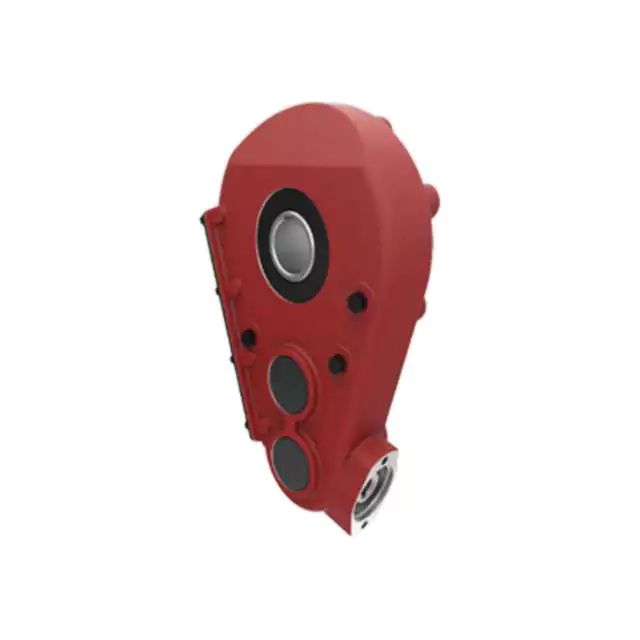
Technological Advancements in Agricultural Gearbox Design
Advancements in agricultural gearbox design have significantly improved the efficiency, durability, and performance of farming equipment. Here are some notable technological advancements:
- Materials and Manufacturing: The use of advanced materials, such as high-strength alloys and composite materials, has enhanced the durability and longevity of gearbox components. Precision manufacturing techniques, including computer-aided design (CAD) and computer numerical control (CNC) machining, ensure tight tolerances and reliable performance.
- Gear Tooth Design: Modern gear tooth profiles, such as optimized helical and spiral bevel gears, reduce noise, vibration, and wear. Advanced tooth design also improves power transmission efficiency and load distribution.
- Sealing and Lubrication: Improved sealing technologies, such as double-lip seals and labyrinth seals, help prevent contaminants from entering gearboxes while retaining lubricants. Advanced lubrication systems, including automatic lubrication and improved oil formulations, extend maintenance intervals and enhance efficiency.
- Electronic Controls: Agricultural gearboxes increasingly integrate with electronic control systems. Sensors and actuators provide real-time data on gearbox performance, allowing for condition monitoring, predictive maintenance, and adjustments to optimize machinery operation.
- Smart Gearboxes: Some agricultural gearboxes are equipped with smart features, such as load sensors, temperature monitors, and feedback systems. These features enhance precision, safety, and overall equipment performance.
- Hybrid Power Transmission: Integration of hybrid power transmission systems, combining internal combustion engines with electric motors, allows for more efficient power delivery and reduced fuel consumption. Gearboxes play a crucial role in managing power distribution in these systems.
- Reduced Environmental Impact: Advancements in gear design contribute to reducing environmental impact. Quieter and more efficient gearboxes minimize noise pollution and energy consumption while meeting emissions regulations.
- Customization and Modularity: Some modern agricultural gearboxes offer modular designs that allow farmers to customize gear ratios, output speeds, and other specifications to match specific tasks and conditions.
- Simulation and Testing: Computer simulations and advanced testing methods, such as finite element analysis (FEA) and computational fluid dynamics (CFD), help optimize gearbox design, reduce prototyping costs, and ensure reliability before production.
These advancements collectively contribute to the evolution of agricultural gearboxes, making farming machinery more efficient, environmentally friendly, and adaptable to the changing needs of modern agriculture.
Obsługa zmiennego zapotrzebowania na moment obrotowy w przekładniach rolniczych
Przekładnie rolnicze są projektowane tak, aby sprostać zmiennemu zapotrzebowaniu na moment obrotowy związanemu z różnymi zadaniami w rolnictwie. Zapotrzebowanie na moment obrotowy może się różnić w zależności od takich czynników, jak rodzaj zadania, warunki glebowe, ukształtowanie terenu i prędkość maszyny. Przekładnie rolnicze są wyposażone w funkcje, które pozwalają im dostosować się do tych zmiennych wymagań dotyczących momentu obrotowego:
- Wybór przełożenia: Przekładnie rolnicze często oferują wiele przełożeń, co pozwala operatorom wybrać odpowiednie przełożenie do danego zadania. Niższe przełożenia zapewniają wyższy moment obrotowy w przypadku zadań wymagających większej siły, takich jak orka czy uprawa roli, natomiast wyższe przełożenia oferują wyższe prędkości w przypadku zadań takich jak koszenie czy transport.
- Mnożnik momentu obrotowego: Niektóre przekładnie rolnicze są wyposażone w wzmacniacze momentu obrotowego, które zwiększają moment obrotowy przenoszony z silnika na koła lub narzędzia. Wzmacniacze te są włączane, gdy potrzebny jest wyższy moment obrotowy, pomagając maszynom radzić sobie z dużymi obciążeniami lub trudnym terenem.
- Regulowane prędkości: Wiele przekładni rolniczych pozwala operatorom dostosować prędkość maszyny do zapotrzebowania na moment obrotowy w danym zadaniu. Ta elastyczność jest niezbędna w przypadku zadań wymagających zarówno wysokiego momentu obrotowego i niskiej prędkości, jak i dużej prędkości przy niższym zapotrzebowaniu na moment obrotowy.
- Opcje wału odbioru mocy (WOM): Przekładnie rolnicze często wyposażone są w mechanizmy odbioru mocy, które umożliwiają przeniesienie mocy z silnika na podłączone narzędzia. Mechanizmy te mogą być zaprojektowane tak, aby zapewniać zmienny moment obrotowy, dostosowany do różnych narzędzi, takich jak glebogryzarki, prasy czy pompy.
Zdolność przekładni rolniczych do radzenia sobie ze zmiennym zapotrzebowaniem na moment obrotowy ma kluczowe znaczenie dla zapewnienia wydajnej i efektywnej pracy w rolnictwie. Oferując regulowane przełożenia, wzmacniacze momentu obrotowego i adaptacyjne prędkości, przekładnie te umożliwiają rolnikom optymalizację wydajności maszyn w oparciu o specyficzne wymagania każdego zadania.
Rodzaje przekładni rolniczych do zadań specjalnych
Różne typy przekładni rolniczych są projektowane z myślą o specyficznych zadaniach i zastosowaniach w rolnictwie. Przekładnie te są projektowane tak, aby spełniać specyficzne wymagania różnych maszyn i operacji rolniczych. Niektóre popularne typy przekładni rolniczych obejmują:
- Przekładnie kosiarek rotacyjnych: Te przekładnie są stosowane w kosiarkach rotacyjnych i rozdrabniaczach. Przenoszą moc z wału odbioru mocy (WOM) ciągnika na ostrza, umożliwiając wydajne koszenie trawy, upraw i roślinności.
- Przekładnie rozrzutników obornika: Rozrzutniki obornika wykorzystują specjalistyczne przekładnie do równomiernego rozprowadzania obornika na polach. Przekładnie te zapewniają równomierne rozprowadzanie nawozu przy jednoczesnym dostosowywaniu się do zmiennych obciążeń.
- Przekładnie żniwne: Przekładnie stosowane w maszynach żniwnych, takich jak kombajny i maszyny do zbioru, umożliwiają wydajny zbiór, młócenie i oddzielanie plonów od łodyg. Przekładnie te wytrzymują duże obciążenia i zmienne warunki pracy.
- Przekładnie siewników rzędowych: Siewniki rzędowe wymagają przekładni, aby precyzyjnie i w regularnych odstępach czasu rozprowadzać nasiona. Przekładnie te zapewniają precyzyjne rozmieszczenie nasion, co przekłada się na optymalne kiełkowanie i wzrost plonów.
- Przekładnie zgrabiarki: Zgrabiarki wykorzystują przekładnie do zbierania i układania siana w pokosy do belowania. Przekładnie te pomagają zoptymalizować proces zbierania siana.
- Przekładnie systemów nawadniających: W systemach nawadniania rolniczego można stosować przekładnie do sterowania ruchem i położeniem urządzeń nawadniających, co pozwala na wydajne rozprowadzanie wody na polach.
- Przekładnie maszyn uprawowych: Gearboxes used in tillage equipment, such as plows and cultivators, help break up soil, prepare seedbeds, and promote seedling emergence.
- Skrzynie biegów ciągników: Ciągniki mogą być wyposażone w różnego rodzaju skrzynie biegów, służące m.in. do zmiany biegów, napędzania wału odbioru mocy i obsługi osprzętu.
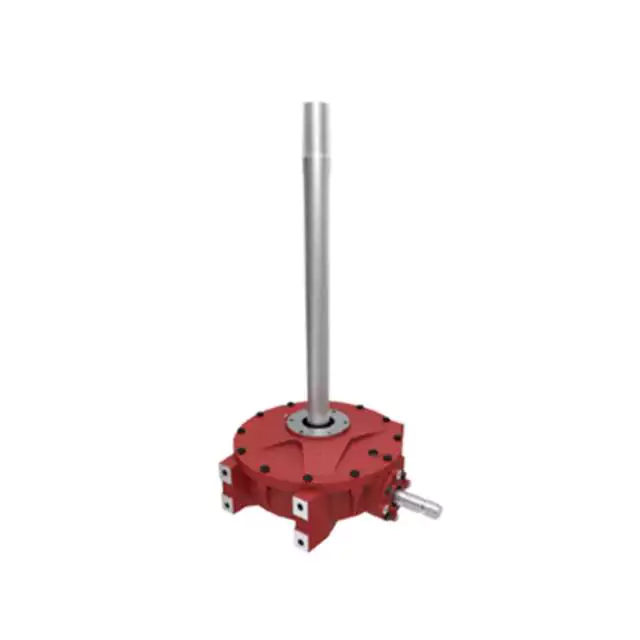
- Przekładnie ślimakowe do zboża: Przenośniki ślimakowe do zboża wykorzystują przekładnie, aby ułatwić przemieszczanie zebranego ziarna z jednego miejsca do drugiego, np. z kombajnu do zbiornika magazynowego.
Każdy typ przekładni rolniczej został zaprojektowany z uwzględnieniem specyficznych cech, nośności i trwałości, aby sprostać wymaganiom danego zadania. Producenci projektują te przekładnie tak, aby wytrzymywały trudne warunki panujące w rolnictwie, zapewniając jednocześnie wydajność i niezawodność.


editor by CX 2024-02-14