
Product Description
Agricultural Machinery Gearbox Agriculture Tractor Machinery Parts 90 Degree Angle Pto Gearbox Worm Gear Speed Reducer
Variety Materials AvailableAlloy steel, Casting, die casting, Aluminum,Brass, Zinc alloy, POM, plastic, Stainless steel, Iron, or per
your demand.Machining ProcessingForging/casting; Turning;Broaching;Teeth hobbing; Teeth burnishing;Teeth slotting;Teeth grinding;
Heating treatment; Grinding; Assembly; Testing.Heat Treatmentcarbonitriding;carburization;nitridation; vacuum quenching;frequency
quenching;temperingSurface TreatmentBlackening;Oxidation;electrophoresis;Powder coating;phosphorizationInspectionISO9001-2015
Certification; 100% responsible for your orders.
1. High strength of gearbox, gears, and shafts, sturdy and durable
2. 2 metric output shaft bore diameters(Standard and Optional)
3. Optional backstop to prevent back driving. The backstop is not recommended for the gear ratio of 5
4. Double lips skeleton oil seal combines the functions of seal and dust-proof
5. Widely used in belt conveyor and pulley drive system
A 90 degree angle pto gearbox is a type of gearbox that is used to transmit power from a tractor’s PTO shaft to an implement that is located at a 90 degree angle to the tractor. This type of gearbox is commonly used with implements such as hay balers, mowers, and tillers.
The 90 degree angle pto gearbox typically has 2 shafts: an input shaft and an output shaft. The input shaft is connected to the tractor’s PTO shaft, and the output shaft is connected to the implement. The gears in the gearbox transmit power from the input shaft to the output shaft, and the 90 degree angle between the shafts allows the implement to be located at a 90 degree angle to the tractor.
90 degree angle pto gearboxes are available in various sizes and capacities. The gearbox size will depend on the power output of the tractor’s PTO shaft and the power requirements of the implement. The capacity of the gearbox will depend on the amount of torque that is required to operate the implement.
90 degree angle pto gearboxes are a valuable tool for farmers and other users of tractors. They allow users to operate a variety of implements at a 90 degree angle to the tractor, saving time and labor.
Here are some of the advantages of using a 90 degree angle pto gearbox:
- Increased productivity. A 90 degree angle pto gearbox can help you to increase your productivity by allowing you to operate multiple implements at the same time.
- Reduced labor costs. A 90 degree angle pto gearbox can help you to reduce your labor costs by allowing you to do more work with less people.
- Improved efficiency. A 90 degree angle pto gearbox can help you to improve the efficiency of your operations by allowing you to use the power of the tractor more effectively.
If you are looking for a way to increase your productivity, reduce your labor costs, and improve the efficiency of your operations, then a 90 degree angle pto gearbox is a great option.
/* March 10, 2571 17:59:20 */!function(){function s(e,r){var a,o={};try{e&&e.split(“,”).forEach(function(e,t){e&&(a=e.match(/(.*?):(.*)$/))&&1
| Application: | Motor, Electric Cars, Agricultural Machinery, Car |
|---|---|
| Function: | Speed Reduction |
| Layout: | – |
| Hardness: | – |
| Installation: | – |
| Step: | – |
| Samples: |
US$ 9999/Piece
1 Piece(Min.Order) | |
|---|
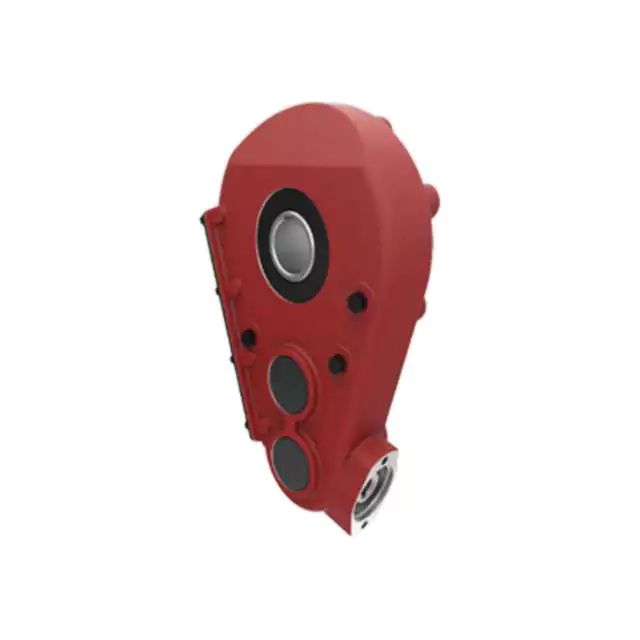
Technological Advancements in Agricultural Gearbox Design
Advancements in agricultural gearbox design have significantly improved the efficiency, durability, and performance of farming equipment. Here are some notable technological advancements:
- Materials and Manufacturing: The use of advanced materials, such as high-strength alloys and composite materials, has enhanced the durability and longevity of gearbox components. Precision manufacturing techniques, including computer-aided design (CAD) and computer numerical control (CNC) machining, ensure tight tolerances and reliable performance.
- Gear Tooth Design: Modern gear tooth profiles, such as optimized helical and spiral bevel gears, reduce noise, vibration, and wear. Advanced tooth design also improves power transmission efficiency and load distribution.
- Sealing and Lubrication: Improved sealing technologies, such as double-lip seals and labyrinth seals, help prevent contaminants from entering gearboxes while retaining lubricants. Advanced lubrication systems, including automatic lubrication and improved oil formulations, extend maintenance intervals and enhance efficiency.
- Electronic Controls: Agricultural gearboxes increasingly integrate with electronic control systems. Sensors and actuators provide real-time data on gearbox performance, allowing for condition monitoring, predictive maintenance, and adjustments to optimize machinery operation.
- Smart Gearboxes: Some agricultural gearboxes are equipped with smart features, such as load sensors, temperature monitors, and feedback systems. These features enhance precision, safety, and overall equipment performance.
- Hybrid Power Transmission: Integration of hybrid power transmission systems, combining internal combustion engines with electric motors, allows for more efficient power delivery and reduced fuel consumption. Gearboxes play a crucial role in managing power distribution in these systems.
- Reduced Environmental Impact: Advancements in gear design contribute to reducing environmental impact. Quieter and more efficient gearboxes minimize noise pollution and energy consumption while meeting emissions regulations.
- Customization and Modularity: Some modern agricultural gearboxes offer modular designs that allow farmers to customize gear ratios, output speeds, and other specifications to match specific tasks and conditions.
- Simulation and Testing: Computer simulations and advanced testing methods, such as finite element analysis (FEA) and computational fluid dynamics (CFD), help optimize gearbox design, reduce prototyping costs, and ensure reliability before production.
These advancements collectively contribute to the evolution of agricultural gearboxes, making farming machinery more efficient, environmentally friendly, and adaptable to the changing needs of modern agriculture.
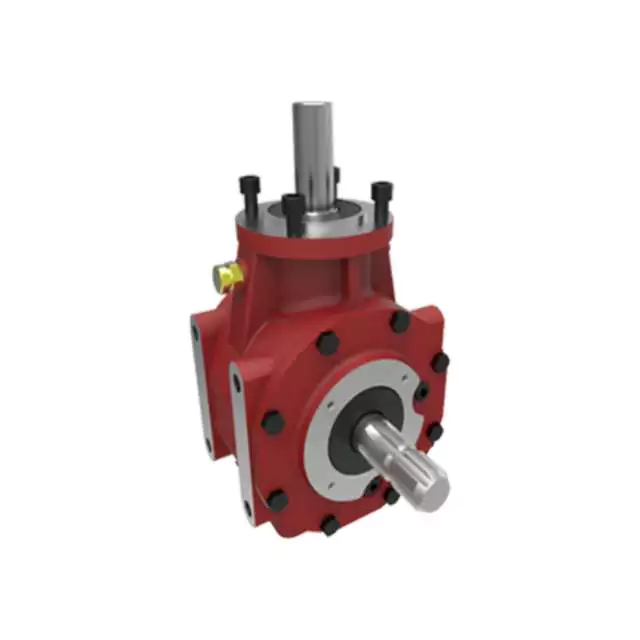
Handling Varying Torque Demands with Agricultural Gearboxes
Agricultural gearboxes are designed to handle the varying torque demands associated with different tasks in farming operations. The torque requirements can vary based on factors such as the type of task, the soil conditions, the terrain, and the machinery’s speed. Agricultural gearboxes are equipped with features that allow them to adapt to these varying torque demands:
- Gear Ratio Selection: Agricultural gearboxes often come with multiple gear ratios, allowing operators to select the appropriate ratio for the task at hand. Lower gear ratios provide higher torque for tasks that require more force, such as plowing or tilling, while higher gear ratios offer higher speeds for tasks like mowing or transporting.
- Torque Multiplier: Some agricultural gearboxes are designed with torque multipliers that enhance the torque output from the engine to the wheels or implement. These multipliers are engaged when higher torque is needed, helping the machinery handle heavy loads or challenging terrain.
- Adjustable Speeds: Many agricultural gearboxes allow operators to adjust the speed of the machinery to match the torque requirements of the task. This flexibility is essential for tasks that involve both high-torque, low-speed operations and high-speed operations with lower torque needs.
- Power Take-Off (PTO) Options: Agricultural gearboxes often feature power take-off mechanisms that enable the transfer of power from the engine to attached implements. These mechanisms can be designed to provide varying torque outputs to suit different implements, such as rotary tillers, balers, or pumps.
The ability of agricultural gearboxes to handle varying torque demands is crucial for ensuring efficient and effective farming operations. By offering adjustable gear ratios, torque multipliers, and adaptable speeds, these gearboxes empower farmers to optimize their machinery’s performance based on the specific requirements of each task.
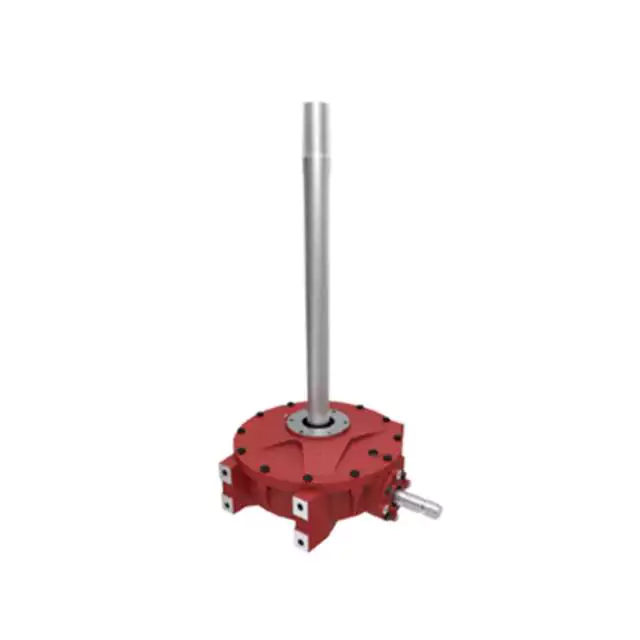
Types of Agricultural Gearboxes for Specific Tasks
Various types of agricultural gearboxes are designed to cater to specific tasks and applications in farming. These gearboxes are engineered to meet the unique requirements of different agricultural machinery and operations. Some common types of agricultural gearboxes include:
- Rotary Mower Gearboxes: These gearboxes are used in rotary mowers and cutters. They transmit power from the tractor’s power take-off (PTO) to the blades, enabling efficient cutting of grass, crops, and vegetation.
- Manure Spreader Gearboxes: Manure spreaders utilize specialized gearboxes to distribute manure evenly across fields. These gearboxes ensure consistent spreading of fertilizer while accommodating variable loads.
- Harvesting Gearboxes: Gearboxes used in harvesting equipment, such as combines and harvesters, enable efficient gathering, threshing, and separating of crops from their stalks. These gearboxes handle high loads and varying operating conditions.
- Seed Drill Gearboxes: Seed drills require gearboxes to distribute seeds accurately and at consistent intervals. These gearboxes ensure precise seed placement for optimal germination and crop growth.
- Hay Rake Gearboxes: Hay rakes utilize gearboxes to gather and arrange hay into windrows for baling. These gearboxes help optimize the hay collection process.
- Irrigation System Gearboxes: Agricultural irrigation systems may use gearboxes to control the movement and positioning of irrigation equipment, ensuring efficient water distribution across fields.
- Tillage Equipment Gearboxes: Gearboxes used in tillage equipment, such as plows and cultivators, help break up soil, prepare seedbeds, and promote seedling emergence.
- Tractor Gearboxes: Tractors may incorporate various gearboxes for tasks such as shifting gears, driving the power take-off, and operating attachments.
- Grain Auger Gearboxes: Grain augers use gearboxes to facilitate the movement of harvested grain from one location to another, such as from a combine to a storage bin.
Each type of agricultural gearbox is designed with specific features, load capacities, and durability to suit the demands of its intended task. Manufacturers engineer these gearboxes to withstand the challenging conditions of agricultural operations while ensuring efficient and reliable performance.


editor by CX 2024-02-14