
Opis produktu
Szczegółowe zdjęcia
Parametry produktu
winch gearbox Technical Specifications
| Max. output torque CHINAMFG N.m | Rotation Ratio | Hydraulic Motor | Max. input | Static brake torque Tbrmax. N.m | Brake working | |
| rotating | pressure Mpa | |||||
| r/min | ||||||
| 13000 | 16.3,22.6,32.1,37.6 | A2FE45, A2FE56, A2FE63 | A6VE28, A6VE55 | 2000 | 450-900 | 1.8-5 |
| 17000 | 26.4,32.1,45.5,54 | A2FE45, A2FE56, A2FE63 | A6VE55 | 2000 | 500-1000 | 1.8-5 |
| 17000 | 77.9,88.2,102.6 | A2FE28, A2FE32, A2FE45, A2FE56 | A6VE28, A6VE55 | 2000 | 220-450 | 1.8-5 |
| 24000 | 90.1,102.6,120.5 | A2FE45, A2FE56, A2FE63 | A6VE55 | 2000 | 400-750 | 1.8-5 |
| 36000 | 67,79.4,100,116.6 | A2FE45, A2FE56, A2FE63, A2FE80, A2FE90 | A6VE55, A6VE80 | 2000 | 450-800 | 1.8-5 |
| 50000 | 84.2,91.1,99.8,125.7,146.4 | A2FE80, A2FE90 | A6VE80, A6VE107 | 2000 | 600-1100 | 1.8-5 |
| 60000 | 86.5,94.8,105.5,119.8,139.9,169.9 | A2FE80, A2FE90, A2FE107, A2FE125 | A6VE80, A6VE107, A6VE160 | 2000 | 800-1200 | 1.8-5 |
| 1100000 | 95.8,114.8,128.6,147.2,173.9,215 | A2FE107, A2FE125, A2FE160, A2FE180 | A6VE107, A6VE160 | 2000 | 900-2000 | 1.8-5 |
| 2200000 | 188.9,246.1,293 | A2FE107, A2FE125, A2FE160, A2FE180 | A6VE107, A6VE160 | 2000 | 1200-2400 | 1.8-5 |
| 3300000 | 168.9,209.9,252,302.4 | A2FE250, A2FE355 | A6VE250, A6VE355 | 2000 | 1500-3500 | 1.8-5 |
Opakowanie i wysyłka
Certyfikaty
| Aplikacja: | Motor, Motorcycle, Machinery, Marine, Agricultural Machinery, Car |
|---|---|
| Twardość: | Utwardzona powierzchnia zęba |
| Instalacja: | Typ pionowy |
| Układ: | Współosiowy |
| Kształt koła zębatego: | Koło zębate cylindryczne |
| Krok: | Trzy kroki |
| Próbki: |
US$ 2000/Piece
1 sztuka (minimalne zamówienie) | |
|---|
| Personalizacja: |
Dostępny
| Spersonalizowane żądanie |
|---|
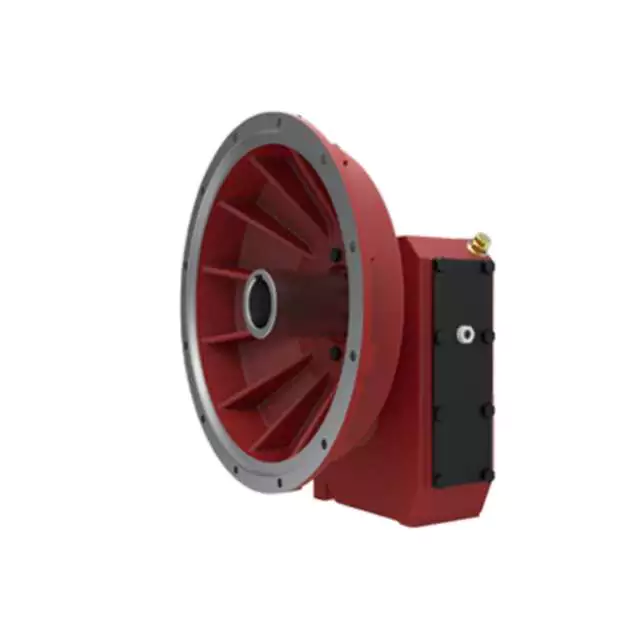
Using Agricultural Gearboxes in Specialized Tasks: Tilling and Planting
Agricultural gearboxes are versatile components that play a crucial role in various farming operations, including specialized tasks such as tilling and planting. Here’s how agricultural gearboxes are utilized in these tasks:
- Tilling: Tilling is an essential step in preparing the soil for planting. Agricultural gearboxes are used in tractor-mounted tillers to drive the rotating tines that break up and turn over the soil. The gearbox’s high torque capabilities and power transmission efficiency allow the tiller to work effectively even in tough soil conditions. Adjustable gear ratios in the gearbox enable operators to control the tiller’s speed and penetration depth, optimizing soil preparation.
- Planting: Precision planting requires accurate seed placement and spacing to maximize crop yield. Agricultural gearboxes are integrated into planting equipment to drive mechanisms that distribute seeds evenly at the desired depth. The gearbox’s ability to transmit power with precision ensures consistent seed placement, contributing to uniform germination and plant growth. Some gearboxes in planting equipment also offer variable speed options, allowing farmers to adjust planting rates based on seed types and field conditions.
By enabling efficient power transmission and offering customizable speed and torque settings, agricultural gearboxes enhance the effectiveness of specialized tasks like tilling and planting. Farmers can rely on these gearboxes to achieve optimal soil preparation and planting accuracy, ultimately contributing to higher crop yields.
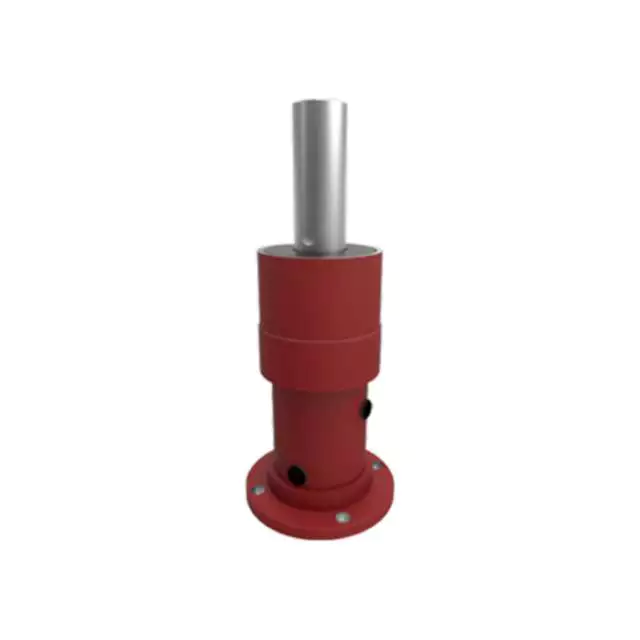
Common Signs of Gearbox Wear and Their Solutions
Gearboxes, like any mechanical components, can experience wear over time due to factors such as friction, load, and operating conditions. Recognizing the common signs of gearbox wear is essential for timely maintenance and avoiding potential breakdowns. Here are some signs to watch out for and the solutions to address them:
- Unusual Noises: Grinding, clicking, or whining noises during operation can indicate worn gears or bearings. Inspect the gearbox for damaged teeth or inadequate lubrication. Replace damaged components and ensure proper lubrication.
- Increased Vibration: Excessive vibration suggests misalignment or imbalance within the gearbox. Check for proper alignment and balance the components if necessary. Also, inspect for worn or damaged shafts or bearings.
- Leakage: Oil or lubricant leaks may indicate worn seals or gaskets. Replace seals and gaskets to prevent leakage and ensure adequate lubrication.
- Slipping Gears: Gears slipping out of engagement or difficulty shifting can point to worn or damaged gear teeth. Inspect gears for signs of wear or chipping, and replace as needed.
- Temperature Increase: Abnormal heat generation can result from increased friction due to worn parts. Check lubrication levels and quality, and replace worn bearings or gears causing excess friction.
- Decreased Performance: Reduced power transmission or output efficiency can indicate wear in the gearbox. Inspect gears, bearings, and other components for signs of wear and replace as necessary.
- Excessive Play: Excessive play or backlash in gears can indicate worn gear teeth or bearings. Inspect components for wear, adjust backlash, and replace worn parts.
Addressing gearbox wear requires routine maintenance, including proper lubrication, alignment checks, and regular inspections. Timely replacement of worn or damaged components can extend the gearbox’s lifespan and maintain optimal performance in various applications.
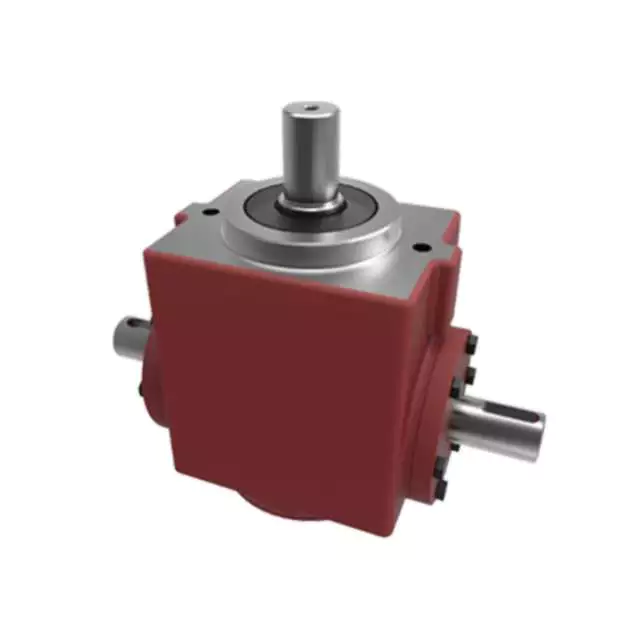
Wkład skrzyń biegów rolniczych w funkcjonalność ciągnika
Skrzynia biegów w maszynach rolniczych jest kluczowym elementem układu napędowego ciągnika, odgrywającym kluczową rolę w wykonywaniu szerokiego zakresu zadań w gospodarstwie rolnym. Funkcjonalność ciągników w dużej mierze zależy od prawidłowego działania ich skrzyń biegów, które umożliwiają realizację szeregu istotnych funkcji:
- Przenoszenie mocy: Ciągniki muszą dostarczać znaczną moc i moment obrotowy do wykonywania zadań takich jak orka, uprawa roli i transport. Przekładnie rolnicze przekazują moc z silnika ciągnika na koła lub inne narzędzia, umożliwiając efektywne przenoszenie mocy na podłoże.
- Kontrola prędkości: Różne prace rolnicze wymagają różnych prędkości. Skrzynie biegów pozwalają operatorom kontrolować prędkość ciągnika, dostosowując ją do wymagań danego zadania. Niezależnie od tego, czy chodzi o prace z niską prędkością, takie jak orka, czy szybki transport, skrzynia biegów zapewnia niezbędną regulację prędkości.
- Załącznik do narzędzia: Ciągniki są często używane z różnymi narzędziami, takimi jak pługi, brony i kosiarki. Skrzynia biegów ułatwia podłączenie i obsługę tych narzędzi, przenosząc moc i moment obrotowy z silnika ciągnika na podzespoły robocze narzędzia.
- Zmiany kierunkowe: Przekładnie rolnicze umożliwiają ciągnikom płynną zmianę kierunku jazdy. Zapewniają one niezbędne przełożenia do zmiany kierunku jazdy ciągnika, ułatwiając manewrowanie na farmie, polach i pokonywanie przeszkód.
- Adaptacja do terenu: Przekładnie rolnicze pomagają ciągnikom dostosować się do zróżnicowanych warunków terenowych i glebowych. Regulując przełożenie, ciągniki mogą zoptymalizować swoją wydajność podczas takich zadań, jak pokonywanie wzniesień, praca na nierównym terenie czy ciągnięcie ciężkich ładunków.
Nowoczesne przekładnie rolnicze są projektowane z myślą o trwałości i niezawodności w wymagających warunkach rolniczych. Często są wyposażone w takie rozwiązania, jak przekładnie wielobiegowe, mechanizmy synchronizacji i wydajne systemy smarowania, aby zwiększyć ich wydajność i żywotność.
Regularna konserwacja i okresowe kontrole są niezbędne do utrzymania skrzyni biegów w optymalnym stanie. Prawidłowe smarowanie, kontrola przekładni oraz reagowanie na wszelkie oznaki zużycia lub uszkodzeń przyczyniają się do trwałości i stałej wydajności skrzyni biegów, zapewniając tym samym funkcjonalność ciągnika przez cały sezon rolniczy.


editor by CX 2023-09-13