
Descrição do produto
If you are interested in our RV9 agricultural gearbox,please feel free to contact me!
| Função: | Speed Increase |
|---|---|
| Layout: | Custom-Made |
| Dureza: | Superfície dentária endurecida |
| Instalação: | Tipo de braço de torque |
| Etapa: | Custom-Made |
| Tipo: | Planetary Gear Box |
| Exemplos: |
US$ 108/Piece
1 unidade (pedido mínimo) | |
|---|
| Personalização: |
Disponível
| Solicitação personalizada |
|---|
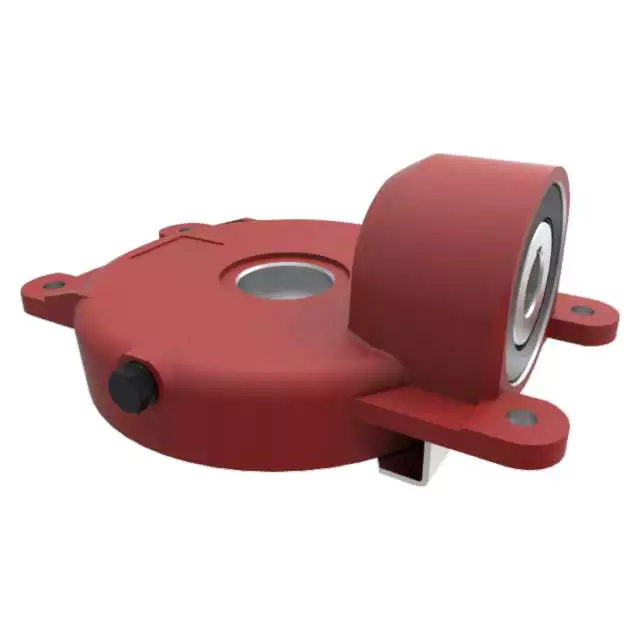
Lubrication Practices for Extending the Lifespan of Agricultural Gearboxes
Proper lubrication is essential for ensuring the longevity and optimal performance of agricultural gearboxes. Here are some essential lubrication practices that can help extend the lifespan of these gearboxes:
- Choose the Right Lubricant: Select a high-quality lubricant specifically designed for gearboxes and agricultural machinery. Consider factors such as viscosity, temperature range, and load-bearing capacity to ensure compatibility with the gearbox’s operating conditions.
- Regular Inspection: Perform regular visual inspections of the gearbox and lubricant to check for signs of contamination, wear, or inadequate lubrication. Address any issues promptly to prevent further damage.
- Cleanliness: Maintain a clean environment around the gearbox to minimize the risk of dirt, debris, and moisture entering the gearbox housing. Contaminants can compromise the lubricant’s effectiveness and accelerate wear.
- Lubricant Level: Monitor and maintain the proper lubricant level in the gearbox. Insufficient lubrication can lead to increased friction and heat, causing premature wear and potential damage to gears and bearings.
- Replace Lubricant: Follow the manufacturer’s recommendations for lubricant change intervals. Over time, lubricants can degrade, lose their properties, and become contaminated. Regularly replacing the lubricant helps ensure optimal performance.
- Use Lubrication Schedule: Create a lubrication schedule based on the gearbox’s usage and operating conditions. Stick to the recommended intervals for applying or changing lubricant to prevent under-lubrication or over-lubrication.
- Appropriate Lubrication Method: Follow the manufacturer’s guidelines for the correct lubrication method, whether it’s through oil bath, grease, or automatic lubrication systems. Proper application ensures even distribution of lubricant across gear surfaces.
- Temperature Considerations: Be aware of temperature variations in your operating environment. Extreme temperatures can affect lubricant viscosity and performance. Choose a lubricant that can handle the temperature range of your equipment.
- Expert Advice: Consult the gearbox manufacturer or a lubrication specialist to determine the best lubrication practices for your specific agricultural gearbox model and application.
By adhering to these lubrication practices, farmers can maximize the lifespan of their agricultural gearboxes, minimize downtime, and ensure efficient and reliable operation of their equipment.
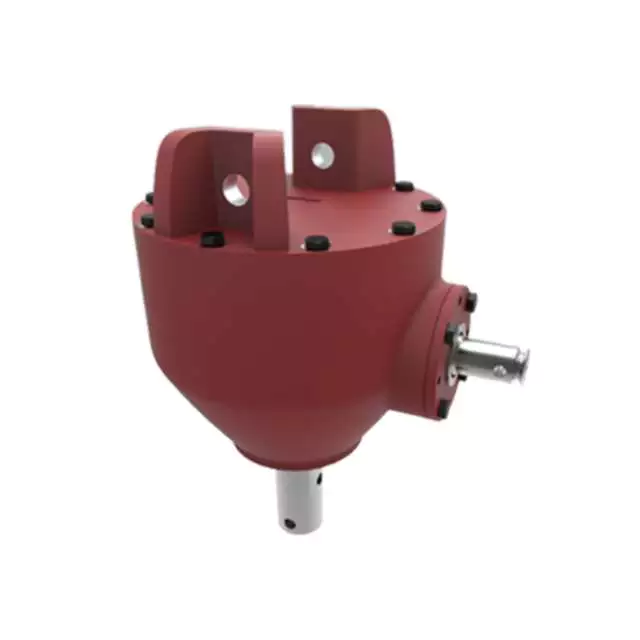
Potential Challenges in Maintenance and Repairs of Agricultural Gearboxes
Maintenance and repairs of gearboxes in agriculture can pose several challenges:
- Harsh Environments: Agricultural machinery operates in challenging environments with exposure to dirt, debris, moisture, and varying temperatures. These conditions can accelerate wear and corrosion, necessitating frequent maintenance.
- Heavy Workloads: Gearboxes in farming equipment often handle heavy workloads, leading to increased stress on components. This can result in faster wear and tear, requiring more frequent inspections and part replacements.
- Accessibility: Some gearboxes are located in hard-to-reach areas of machinery. This makes regular maintenance and repairs more challenging, as technicians may need specialized tools and equipment to access and service the gearboxes.
- Specialized Knowledge: Proper maintenance of agricultural gearboxes requires specialized knowledge and skills. Inadequate understanding of gearbox mechanics and maintenance practices can lead to improper repairs, reducing the gearbox’s lifespan and efficiency.
- Costs: Repairing or replacing gearbox components can be costly, especially for heavy-duty agricultural machinery. Farmers need to consider both the direct costs of parts and labor, as well as potential downtime during repair processes.
- Downtime: The downtime required for gearbox maintenance or repairs can impact farming operations, especially during critical planting or harvesting seasons. Efficient scheduling and backup equipment can help mitigate this challenge.
- Availability of Parts: Obtaining replacement parts for older or less common gearbox models can be challenging. Farmers may need to source parts from specialized suppliers, leading to potential delays in repairs.
Addressing these challenges requires proactive maintenance planning, regular inspections, proper training of maintenance personnel, and sourcing spare parts in advance.
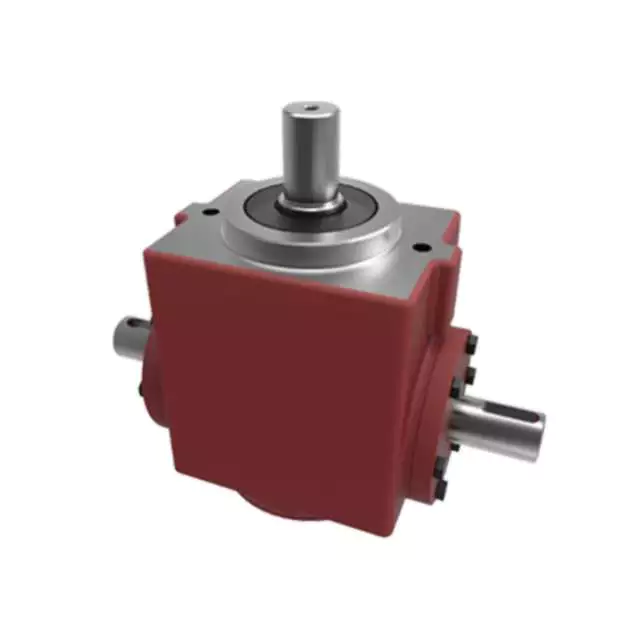
Contribuição das caixas de câmbio agrícolas para a funcionalidade do trator
A caixa de câmbio agrícola é um componente vital do sistema de transmissão de um trator, desempenhando um papel fundamental para permitir que o trator execute uma ampla gama de tarefas na fazenda. A funcionalidade dos tratores depende muito do funcionamento adequado de suas caixas de câmbio, que facilitam diversas funções essenciais:
- Transmissão de potência: Os tratores precisam fornecer potência e torque consideráveis para realizar tarefas como arar, lavrar e transportar. As caixas de engrenagens agrícolas transmitem a potência do motor do trator para as rodas ou outros implementos, permitindo uma transmissão eficiente de potência para o solo.
- Controle de velocidade: Diferentes tarefas agrícolas exigem diferentes velocidades. As caixas de câmbio permitem que os operadores controlem a velocidade do trator para atender às necessidades da tarefa em questão. Sejam operações em baixa velocidade, como arar a terra, ou transporte em alta velocidade, a caixa de câmbio proporciona os ajustes de velocidade necessários.
- Implementar Anexo: Os tratores são frequentemente usados com diversos implementos, como arados, grades e segadoras. A caixa de câmbio facilita a conexão e a operação desses implementos, transmitindo a potência e o torque do motor do trator para os componentes de trabalho do implemento.
- Mudanças de direção: As caixas de engrenagens agrícolas permitem que os tratores mudem de direção suavemente. Elas fornecem o conjunto de engrenagens necessário para inverter o movimento do trator, facilitando as manobras na fazenda, nos campos e ao redor de obstáculos.
- Adaptação ao terreno: As caixas de engrenagens agrícolas ajudam os tratores a se adaptarem a diferentes terrenos e condições de solo. Ajustando a relação de transmissão, os tratores podem otimizar seu desempenho para tarefas como subir declives, trabalhar em terrenos irregulares ou puxar cargas pesadas.
As caixas de engrenagens agrícolas modernas são projetadas para durabilidade e confiabilidade no exigente ambiente agrícola. Elas geralmente são equipadas com recursos como múltiplas engrenagens, mecanismos de sincronização e sistemas de lubrificação eficientes para melhorar seu desempenho e vida útil.
A manutenção regular e as verificações periódicas são essenciais para manter a caixa de engrenagens agrícola em ótimas condições. A lubrificação adequada, a inspeção das engrenagens e a correção de quaisquer sinais de desgaste ou danos contribuem para a longevidade e o desempenho consistente da caixa de engrenagens, garantindo assim a funcionalidade do trator durante todas as épocas de cultivo.


editor by CX 2023-09-22