
Descrição do produto
Descrição do produto
Parâmetros do produto
| ITEM | Razão | Dentes | Módulo | Potência (HP) | Entrada nominal | Input/output description | Peso (NW) |
| LF205 | 1:1.92 | 12/23 | 5 | 30 | 540 rpm | 1 3/8 Z6 Cone base aequilate spline |
17kg |
Produtos relacionados
perfil de companhia
ZheJiang Grande Machinery Manufacturing Co.; Ltd. focuses on paddy field stubble tillage rotary tiller and related implements. currently our products have been sold to Africa, South America, Europe, etc. Our company has 30 employees, 1000 square CHINAMFG of office area and 7000 square CHINAMFG of warehouse, Adhering to the principle of customer first, in order to supply better technical support and after-sales service, the company had established a technical department and after-sales service department in 2018.
ZheJiang Grande Machinery Manufacturing Co.; Ltd. to provide customers with professional paddy field operation machinery products.
Perguntas frequentes
Perguntas frequentes
1. What’s the MOQ?
MOQ is 1 20GP, around 10 sets.
2. What’s the after sales?
Our products’ warranty is for 12 months. after that, we can still supply thel spare parts.
3. What’s your lead time?
usually within 20 work days.
4. Are you interested in dealership with local company?
Yes, we are quite interested in this business. We’d like to cooperate with some local partner to sell more machines in local market and supply better service.
5. What’s your Payment terms?
30% payment in advance by TT, 70% balance before delivery.
| Aplicativo: | Máquinas, Máquinas Agrícolas |
|---|---|
| Função: | Change Drive Torque, Change Drive Direction, Speed Changing |
| Layout: | Coaxial |
| Dureza: | Superfície dentária endurecida |
| Instalação: | Tipo horizontal |
| Etapa: | Three-Step |
| Personalização: |
Disponível
| Solicitação personalizada |
|---|
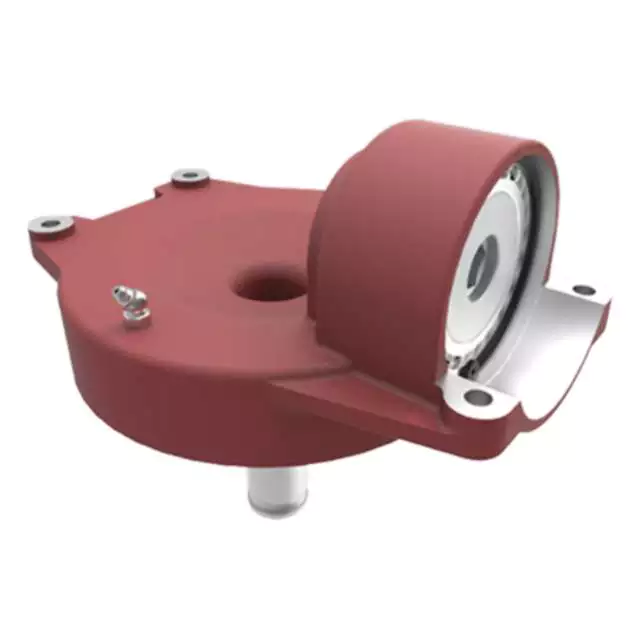
Impact of Gear Ratios on Machinery Performance in Agricultural Gearboxes
The gear ratio in agricultural gearboxes plays a crucial role in determining the performance of machinery. It directly affects the relationship between the input and output speeds and torques. Here’s how gear ratios influence machinery performance:
- Speed and Torque Conversion: Gear ratios allow for the conversion of speed and torque between the input and output shafts. Higher gear ratios can reduce output speed while increasing output torque, making it suitable for tasks requiring high power.
- Power and Efficiency: Gear ratios affect the efficiency of power transmission. While reducing the speed through higher gear ratios can increase torque, it’s essential to strike a balance to maintain efficiency. Lower efficiency can lead to energy loss and increased heat generation.
- Task Adaptability: Different agricultural tasks require varying levels of torque and speed. Gear ratios enable machinery to be adaptable to different tasks by providing the necessary torque for heavy-duty activities like plowing or tilling and higher speeds for tasks like transport.
- Optimal Performance: Selecting the appropriate gear ratio ensures that machinery operates within its optimal performance range. It prevents overloading the engine or the gearbox, contributing to smoother operation and reduced wear and tear.
- Productivity and Fuel Efficiency: Proper gear ratios can enhance the overall productivity of agricultural machinery. By optimizing torque and speed, tasks can be completed efficiently, reducing the time and fuel consumption required for operations.
- Consideration of Terrain: Different terrains and field conditions require adjustments in gear ratios. Steep slopes or heavy soil may necessitate lower gear ratios for increased torque, while flat terrain could benefit from higher ratios for faster operation.
- Impact on Components: Gear ratios can influence the load distribution on gearbox components. Higher gear ratios might subject components to increased forces and stresses, potentially affecting their lifespan.
- Operator Comfort: Proper gear ratios contribute to operator comfort by providing the necessary power for smooth operation without straining the machinery. This can lead to reduced operator fatigue and improved safety.
- Personalização: Some modern agricultural equipment offers adjustable or variable gear ratios, allowing operators to fine-tune machinery performance based on specific tasks and conditions.
Choosing the right gear ratio for agricultural gearboxes involves considering factors such as the intended task, soil conditions, and equipment specifications. It’s essential to strike a balance between torque and speed to achieve optimal machinery performance and maximize productivity.
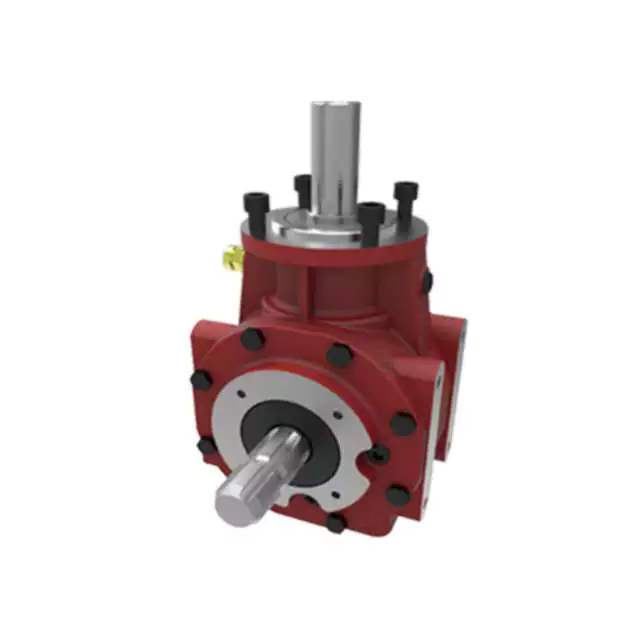
Specific Safety Precautions for Agricultural Gearbox Operation
Operating agricultural machinery with gearboxes requires careful attention to safety to prevent accidents and ensure the well-being of operators and bystanders. Here are some specific safety precautions associated with agricultural gearbox operation:
- Read the Manual: Familiarize yourself with the manufacturer’s manual for the specific gearbox and machinery. It provides valuable information about proper operation, maintenance, and safety guidelines.
- Proper Training: Ensure that operators are trained in the safe operation of the machinery, including how to engage and disengage the gearbox, adjust speeds, and handle emergencies.
- Protective Gear: Operators should wear appropriate protective gear, such as helmets, gloves, safety goggles, and sturdy footwear, to reduce the risk of injury from debris, moving parts, or other hazards.
- Clear Workspace: Before operating the machinery, clear the area of obstacles, debris, and bystanders. Ensure a safe distance between the machinery and people.
- Secure Attachments: If the gearbox is used in conjunction with attachments, ensure that they are properly secured and mounted according to manufacturer guidelines to prevent detachment during operation.
- Engage Safely: Engage the gearbox and start the machinery only after ensuring that all personnel are at a safe distance and that the machinery is on stable ground.
- Avoid Loose Clothing: Operators should avoid wearing loose clothing or accessories that could get caught in moving parts.
- Emergency Stops: Familiarize yourself with the location of emergency stop buttons and switches on the machinery and be prepared to use them if needed.
- Regular Maintenance: Perform routine maintenance checks on the gearbox and machinery to ensure that all components are in proper working condition. Replace worn parts and lubricate components as recommended by the manufacturer.
- Shut Down Properly: When finishing a task, disengage the gearbox, shut off the machinery, and engage any safety locks to prevent accidental starts.
Following these safety precautions can greatly reduce the risk of accidents and injuries when operating agricultural machinery with gearboxes. Always prioritize safety to create a secure working environment for everyone involved.
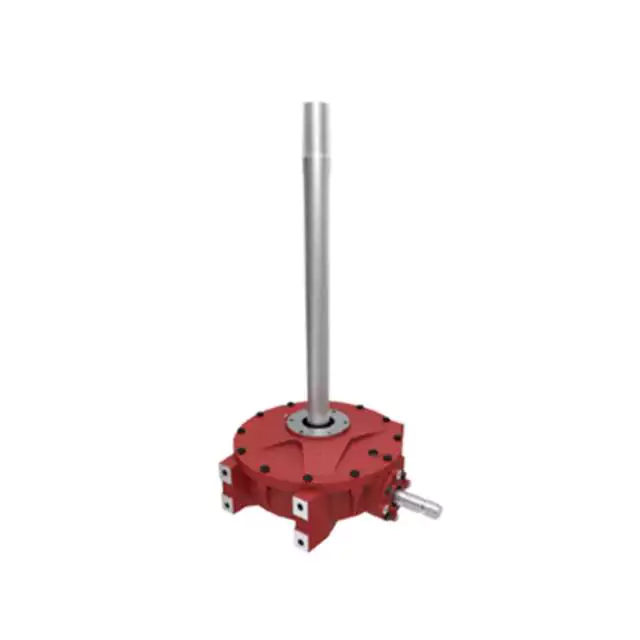
Tipos de caixas de engrenagens agrícolas para tarefas específicas
Existem diversos tipos de caixas de engrenagens agrícolas projetadas para atender a tarefas e aplicações específicas na agricultura. Essas caixas de engrenagens são fabricadas para atender aos requisitos exclusivos de diferentes máquinas e operações agrícolas. Alguns tipos comuns de caixas de engrenagens agrícolas incluem:
- Caixas de engrenagens para cortadores de grama rotativos: Essas caixas de engrenagens são usadas em cortadores e roçadeiras rotativas. Elas transmitem a potência da tomada de força (TDF) do trator para as lâminas, permitindo o corte eficiente de grama, plantações e vegetação.
- Caixas de engrenagens para espalhadores de esterco: Os distribuidores de estrume utilizam caixas de engrenagens especializadas para distribuir o estrume uniformemente nos campos. Essas caixas de engrenagens garantem a distribuição consistente do fertilizante, mesmo com cargas variáveis.
- Colheita de caixas de engrenagens: As caixas de engrenagens utilizadas em equipamentos de colheita, como colheitadeiras e ceifadeiras, permitem a coleta, debulha e separação eficientes das culturas de seus talos. Essas caixas de engrenagens suportam cargas elevadas e condições operacionais variáveis.
- Caixas de engrenagens para semeadoras: As semeadoras requerem caixas de engrenagens para distribuir as sementes com precisão e em intervalos consistentes. Essas caixas de engrenagens garantem a colocação precisa das sementes para uma germinação ideal e o crescimento adequado da cultura.
- Caixas de engrenagens para ancinhos de feno: Os ancinhos de feno utilizam caixas de engrenagens para juntar e organizar o feno em leiras para enfardamento. Essas caixas de engrenagens ajudam a otimizar o processo de coleta do feno.
- Caixas de engrenagens para sistemas de irrigação: Os sistemas de irrigação agrícola podem utilizar caixas de engrenagens para controlar o movimento e o posicionamento dos equipamentos de irrigação, garantindo uma distribuição eficiente da água nos campos.
- Caixas de engrenagens para equipamentos de lavoura: Gearboxes used in tillage equipment, such as plows and cultivators, help break up soil, prepare seedbeds, and promote seedling emergence.
- Caixas de câmbio de tratores: Os tratores podem incorporar diversas caixas de câmbio para tarefas como troca de marchas, acionamento da tomada de força e operação de implementos.
- Caixas de engrenagens para roscas transportadoras de grãos: Os transportadores de grãos utilizam caixas de engrenagens para facilitar o deslocamento dos grãos colhidos de um local para outro, como, por exemplo, de uma colheitadeira para um silo de armazenamento.
Cada tipo de caixa de engrenagens agrícola é projetada com características específicas, capacidades de carga e durabilidade para atender às demandas da tarefa a que se destina. Os fabricantes projetam essas caixas de engrenagens para suportar as condições desafiadoras das operações agrícolas, garantindo, ao mesmo tempo, um desempenho eficiente e confiável.


editor by CX 2023-10-25