
Descrição do produto
Parâmetros do produto
|
Proporção do modelo |
10 |
15 |
20 |
25 |
30 |
40 |
50 |
60 |
|
40 |
0.4 |
0.33 |
0.26 |
0.24 |
0.22 |
0.16 |
0.14 |
o.12 |
|
50 |
0.65 |
0.52 |
0.40 |
0.37 |
0.34 |
0.27 |
0.24 |
0.20 |
|
60 |
1.00 |
0.82 |
0.65 |
0.59 |
0.54 |
0.45 |
0.40 |
0.32 |
|
70 |
1.60 |
1.35 |
1.10 |
0.96 |
0.82 |
0.67 |
0.61 |
0.52 |
|
80 |
2.20 |
1.78 |
1.36 |
1.28 |
1.20 |
0.90 |
0.80 |
0.75 |
|
100 |
3.60 |
3.10 |
2.60 |
2.35 |
2.10 |
1.68 |
1.30 |
1.00 |
|
120 |
5.20 |
4.35 |
3.50 |
3.25 |
3.00 |
2.20 |
1.90 |
1.50 |
|
135 |
9.75 |
7.85 |
6.00 |
5.50 |
5.00 |
3.69 |
2.89 |
2.30 |
|
147 |
10.71 |
8.43 |
6.18 |
5.71 |
5.23 |
3.84 |
3.09 |
2.52 |
|
155 |
12.80 |
9.90 |
7.00 |
6.53 |
6.00 |
4.40 |
3.61 |
3.00 |
|
175 |
17.30 |
13.60 |
10.00 |
9.13 |
8.30 |
6.18 |
4.85 |
4.07 |
|
200 |
22.60 |
18.20 |
13.86 |
12.75 |
11.67 |
8.78 |
6.71 |
5.58 |
|
250 |
33.20 |
27.40 |
21.60 |
20.00 |
18.43 |
14.00 |
10.43 |
8.62 |
Descrição do produto
Descrição do produto
(1) O redutor de engrenagem helicoidal é um mecanismo de transmissão de potência que utiliza um conversor de velocidade por engrenagem para reduzir a rotação do motor e obter um torque maior. Atualmente, os redutores de velocidade são amplamente utilizados em mecanismos de transmissão de potência e movimento.
(2) Em todos os tipos de sistemas de transmissão mecânica, podemos ver vestígios dele, desde navios de transporte, automóveis, motocicletas, máquinas pesadas de construção, equipamentos de processamento de máquinas industriais e equipamentos de produção automatizados, até eletrodomésticos comuns do dia a dia, relógios e assim por diante. Sua aplicação abrange desde a transmissão de grande potência até pequenas cargas, e a precisão do ângulo de transmissão pode ser vista na aplicação. Em aplicações industriais, o redutor tem a função de reduzir e aumentar o torque. Portanto, é amplamente utilizado em equipamentos de conversão de velocidade e torque.
O papel do redutor principal:
1. Reduza a velocidade e aumente o torque de saída. A relação entre o torque de saída e o torque de saída do motor é determinada pela relação de desaceleração, mas deve-se ter cuidado para não exceder o torque nominal do redutor de velocidade.
2. Na desaceleração, enquanto a inércia da carga é reduzida, a inércia é reduzida ao quadrado da relação de redução. Podemos observar que a General Motors possui um valor de inércia.
Fotos detalhadas
Parâmetro
Certificações
| Aplicativo: | Carros elétricos, motocicletas, máquinas agrícolas, automóveis, transmissão de energia |
|---|---|
| Layout: | Três anéis |
| Dureza: | Superfície dentária endurecida |
| Instalação: | Tipo de braço de torque |
| Tipo: | Caixa de engrenagens sem-fim |
| Customized Support: | OEM, ODM, Obm |
| Exemplos: |
US$ 50/Peça
1 unidade (pedido mínimo) | |
|---|
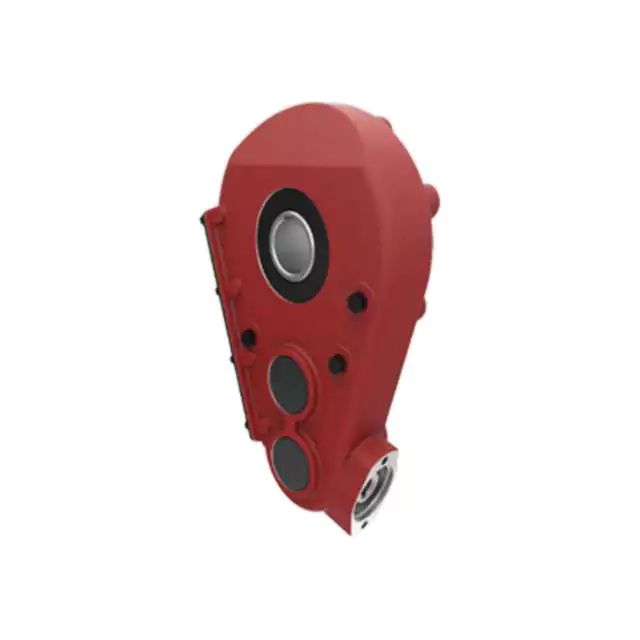
Technological Advancements in Agricultural Gearbox Design
Advancements in agricultural gearbox design have significantly improved the efficiency, durability, and performance of farming equipment. Here are some notable technological advancements:
- Materials and Manufacturing: The use of advanced materials, such as high-strength alloys and composite materials, has enhanced the durability and longevity of gearbox components. Precision manufacturing techniques, including computer-aided design (CAD) and computer numerical control (CNC) machining, ensure tight tolerances and reliable performance.
- Gear Tooth Design: Modern gear tooth profiles, such as optimized helical and spiral bevel gears, reduce noise, vibration, and wear. Advanced tooth design also improves power transmission efficiency and load distribution.
- Sealing and Lubrication: Improved sealing technologies, such as double-lip seals and labyrinth seals, help prevent contaminants from entering gearboxes while retaining lubricants. Advanced lubrication systems, including automatic lubrication and improved oil formulations, extend maintenance intervals and enhance efficiency.
- Electronic Controls: Agricultural gearboxes increasingly integrate with electronic control systems. Sensors and actuators provide real-time data on gearbox performance, allowing for condition monitoring, predictive maintenance, and adjustments to optimize machinery operation.
- Caixas de velocidades inteligentes: Some agricultural gearboxes are equipped with smart features, such as load sensors, temperature monitors, and feedback systems. These features enhance precision, safety, and overall equipment performance.
- Hybrid Power Transmission: Integration of hybrid power transmission systems, combining internal combustion engines with electric motors, allows for more efficient power delivery and reduced fuel consumption. Gearboxes play a crucial role in managing power distribution in these systems.
- Reduced Environmental Impact: Advancements in gear design contribute to reducing environmental impact. Quieter and more efficient gearboxes minimize noise pollution and energy consumption while meeting emissions regulations.
- Customization and Modularity: Some modern agricultural gearboxes offer modular designs that allow farmers to customize gear ratios, output speeds, and other specifications to match specific tasks and conditions.
- Simulation and Testing: Computer simulations and advanced testing methods, such as finite element analysis (FEA) and computational fluid dynamics (CFD), help optimize gearbox design, reduce prototyping costs, and ensure reliability before production.
These advancements collectively contribute to the evolution of agricultural gearboxes, making farming machinery more efficient, environmentally friendly, and adaptable to the changing needs of modern agriculture.
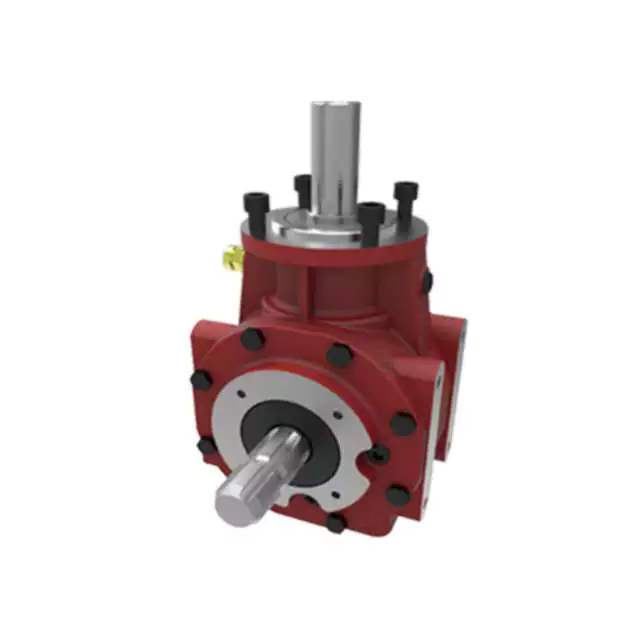
Specific Safety Precautions for Agricultural Gearbox Operation
Operating agricultural machinery with gearboxes requires careful attention to safety to prevent accidents and ensure the well-being of operators and bystanders. Here are some specific safety precautions associated with agricultural gearbox operation:
- Read the Manual: Familiarize yourself with the manufacturer’s manual for the specific gearbox and machinery. It provides valuable information about proper operation, maintenance, and safety guidelines.
- Proper Training: Ensure that operators are trained in the safe operation of the machinery, including how to engage and disengage the gearbox, adjust speeds, and handle emergencies.
- Protective Gear: Operators should wear appropriate protective gear, such as helmets, gloves, safety goggles, and sturdy footwear, to reduce the risk of injury from debris, moving parts, or other hazards.
- Clear Workspace: Before operating the machinery, clear the area of obstacles, debris, and bystanders. Ensure a safe distance between the machinery and people.
- Secure Attachments: If the gearbox is used in conjunction with attachments, ensure that they are properly secured and mounted according to manufacturer guidelines to prevent detachment during operation.
- Engage Safely: Engage the gearbox and start the machinery only after ensuring that all personnel are at a safe distance and that the machinery is on stable ground.
- Avoid Loose Clothing: Operators should avoid wearing loose clothing or accessories that could get caught in moving parts.
- Emergency Stops: Familiarize yourself with the location of emergency stop buttons and switches on the machinery and be prepared to use them if needed.
- Regular Maintenance: Perform routine maintenance checks on the gearbox and machinery to ensure that all components are in proper working condition. Replace worn parts and lubricate components as recommended by the manufacturer.
- Shut Down Properly: When finishing a task, disengage the gearbox, shut off the machinery, and engage any safety locks to prevent accidental starts.
Following these safety precautions can greatly reduce the risk of accidents and injuries when operating agricultural machinery with gearboxes. Always prioritize safety to create a secure working environment for everyone involved.
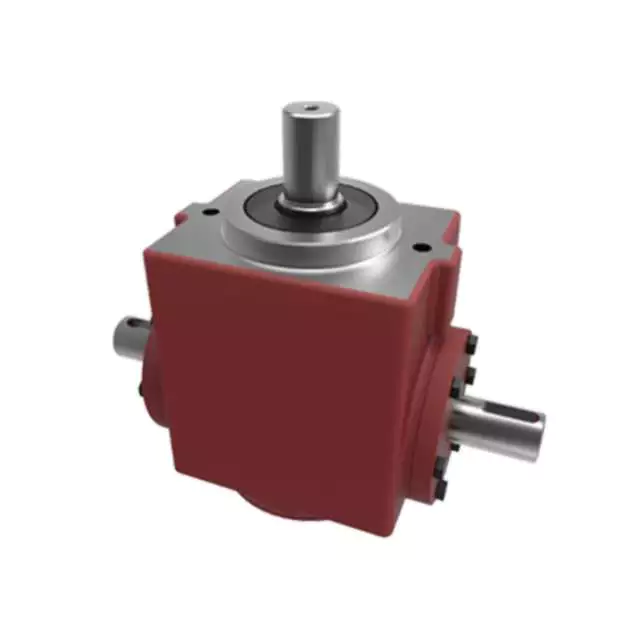
Contribuição das caixas de câmbio agrícolas para a funcionalidade do trator
A caixa de câmbio agrícola é um componente vital do sistema de transmissão de um trator, desempenhando um papel fundamental para permitir que o trator execute uma ampla gama de tarefas na fazenda. A funcionalidade dos tratores depende muito do funcionamento adequado de suas caixas de câmbio, que facilitam diversas funções essenciais:
- Transmissão de potência: Os tratores precisam fornecer potência e torque consideráveis para realizar tarefas como arar, lavrar e transportar. As caixas de engrenagens agrícolas transmitem a potência do motor do trator para as rodas ou outros implementos, permitindo uma transmissão eficiente de potência para o solo.
- Controle de velocidade: Diferentes tarefas agrícolas exigem diferentes velocidades. As caixas de câmbio permitem que os operadores controlem a velocidade do trator para atender às necessidades da tarefa em questão. Sejam operações em baixa velocidade, como arar a terra, ou transporte em alta velocidade, a caixa de câmbio proporciona os ajustes de velocidade necessários.
- Implementar Anexo: Os tratores são frequentemente usados com diversos implementos, como arados, grades e segadoras. A caixa de câmbio facilita a conexão e a operação desses implementos, transmitindo a potência e o torque do motor do trator para os componentes de trabalho do implemento.
- Mudanças de direção: As caixas de engrenagens agrícolas permitem que os tratores mudem de direção suavemente. Elas fornecem o conjunto de engrenagens necessário para inverter o movimento do trator, facilitando as manobras na fazenda, nos campos e ao redor de obstáculos.
- Adaptação ao terreno: As caixas de engrenagens agrícolas ajudam os tratores a se adaptarem a diferentes terrenos e condições de solo. Ajustando a relação de transmissão, os tratores podem otimizar seu desempenho para tarefas como subir declives, trabalhar em terrenos irregulares ou puxar cargas pesadas.
As caixas de engrenagens agrícolas modernas são projetadas para durabilidade e confiabilidade no exigente ambiente agrícola. Elas geralmente são equipadas com recursos como múltiplas engrenagens, mecanismos de sincronização e sistemas de lubrificação eficientes para melhorar seu desempenho e vida útil.
A manutenção regular e as verificações periódicas são essenciais para manter a caixa de engrenagens agrícola em ótimas condições. A lubrificação adequada, a inspeção das engrenagens e a correção de quaisquer sinais de desgaste ou danos contribuem para a longevidade e o desempenho consistente da caixa de engrenagens, garantindo assim a funcionalidade do trator durante todas as épocas de cultivo.


editor by CX 2023-10-27