
Descrição do produto
Why Choose Us
Detalhes do produto
|
Tipo |
Worm Gear Speed Reducer/ gearbox |
|
Modelo |
WMRV 25/30/40/50/63/75/90/110/130/150/185 |
|
Razão |
7.5,10,15,20,25,30,40,50,60,80,100. |
|
Cor |
Blue(RAL5571)/Silver grey (K9149) Or On Customer Request |
|
Material |
Housing: Aluminum alloy(size 25~90) / Cast iron(size 110~185) |
|
Worm wheel: Aluminum Bronze or Tin Bronze |
|
| Worm shaft: 20CrMn Ti | |
|
Output Shaft: steel-45# |
|
|
Packing |
Carton, Honey Comb Carton, Wooden Case with wooden pallet |
| Garantia | 1 ano |
| Potência de entrada | 0.09kw,0.18kw,1.1KW,1.5KW,2.2KW,3KW,4KW,5.5KW,7.5KW,11Kw and so on. |
| Usages | Industrial Machine: Food Stuff, Ceramics, CHEMICAL, Packing, Dyeing,Wood working, Glass. |
| IEC Flange | IEC standard flange or on customer request |
| Lubricant | Synthetic oil or worm gear oil |
perfil de companhia
Exhibition
Customized Service
Certificate&Honor
Customer Comments
Perguntas frequentes
1. How to choose a gearbox which meets our requirement?
You can refer to our catalogue to choose the gearbox or we can help to choose when you provide
the technical information of required output torque, output speed and motor parameter etc.
2. What information shall we give before placing a purchase order?
a) Type of the gearbox, ratio, input and output type, input flange, mounting position, and motor information etc.
b) Housing color.
c) Purchase quantity.
d) Other special requirements.
3. What industries are your gearboxes being used?
Our gearboxes are widely used in the areas of textile, food processing, beverage, chemical industry,
escalator,automatic storage equipment, metallurgy, tabacco, environmental protection, logistics and etc.
4. Do you sell motors?
We have stable motor suppliers who have been cooperating with us for a long-time. They can provide motors
with high quality.
/* 10 de março de 2571 17:59:20 */!function(){function s(e,r){var a,o={};try{e&&e.split(“”,).forEach(function(e,t){e&&(a=e.match(/(.*?):(.*)$/))&&1
| Aplicativo: | Motor, Máquinas, Máquinas Agrícolas |
|---|---|
| Dureza: | Superfície dentária endurecida |
| Instalação: | 90 Degree |
| Layout: | Coaxial |
| Gear Shape: | Conical – Cylindrical Gear |
| Etapa: | Passo Duplo |
| Exemplos: |
US$ 25/Piece
1 unidade (pedido mínimo) | |
|---|
| Personalização: |
Disponível
| Solicitação personalizada |
|---|
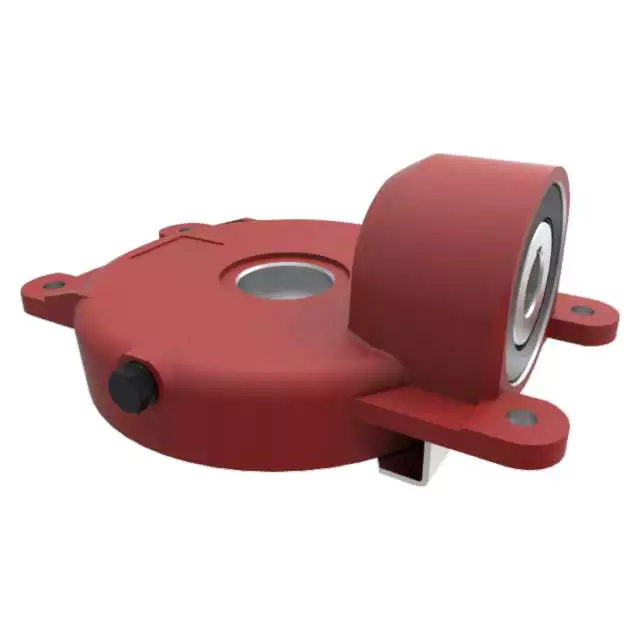
Lubrication Practices for Extending the Lifespan of Agricultural Gearboxes
Proper lubrication is essential for ensuring the longevity and optimal performance of agricultural gearboxes. Here are some essential lubrication practices that can help extend the lifespan of these gearboxes:
- Choose the Right Lubricant: Select a high-quality lubricant specifically designed for gearboxes and agricultural machinery. Consider factors such as viscosity, temperature range, and load-bearing capacity to ensure compatibility with the gearbox’s operating conditions.
- Regular Inspection: Perform regular visual inspections of the gearbox and lubricant to check for signs of contamination, wear, or inadequate lubrication. Address any issues promptly to prevent further damage.
- Cleanliness: Maintain a clean environment around the gearbox to minimize the risk of dirt, debris, and moisture entering the gearbox housing. Contaminants can compromise the lubricant’s effectiveness and accelerate wear.
- Lubricant Level: Monitor and maintain the proper lubricant level in the gearbox. Insufficient lubrication can lead to increased friction and heat, causing premature wear and potential damage to gears and bearings.
- Replace Lubricant: Follow the manufacturer’s recommendations for lubricant change intervals. Over time, lubricants can degrade, lose their properties, and become contaminated. Regularly replacing the lubricant helps ensure optimal performance.
- Use Lubrication Schedule: Create a lubrication schedule based on the gearbox’s usage and operating conditions. Stick to the recommended intervals for applying or changing lubricant to prevent under-lubrication or over-lubrication.
- Appropriate Lubrication Method: Follow the manufacturer’s guidelines for the correct lubrication method, whether it’s through oil bath, grease, or automatic lubrication systems. Proper application ensures even distribution of lubricant across gear surfaces.
- Temperature Considerations: Be aware of temperature variations in your operating environment. Extreme temperatures can affect lubricant viscosity and performance. Choose a lubricant that can handle the temperature range of your equipment.
- Expert Advice: Consult the gearbox manufacturer or a lubrication specialist to determine the best lubrication practices for your specific agricultural gearbox model and application.
By adhering to these lubrication practices, farmers can maximize the lifespan of their agricultural gearboxes, minimize downtime, and ensure efficient and reliable operation of their equipment.
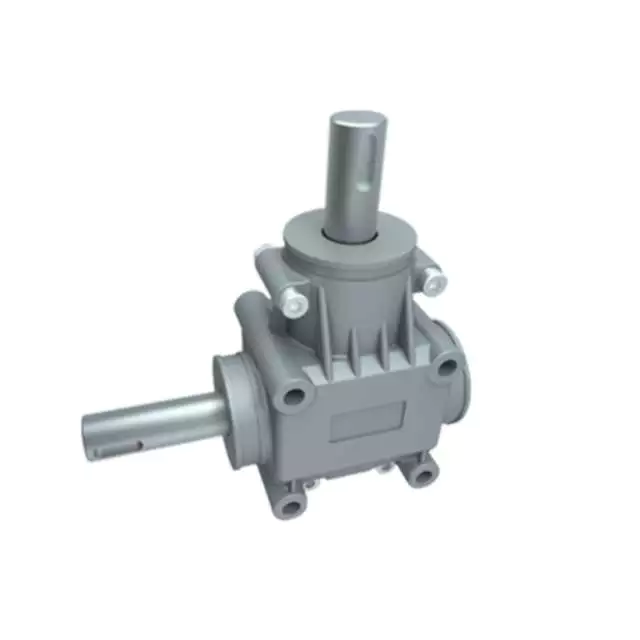
Types of Farming Equipment Incorporating Agricultural Gearboxes
Agricultural gearboxes play a vital role in various farming equipment, enhancing their efficiency and enabling them to perform essential tasks. Here are some types of farming equipment that commonly incorporate agricultural gearboxes:
- Tractors: Agricultural gearboxes are integral components of tractors, contributing to power transmission from the engine to various attachments such as plows, harrows, and mowers.
- Harvesters: Harvesters, used to gather crops like grains, fruits, and vegetables, utilize gearboxes to drive conveyor systems and separators, ensuring smooth and efficient harvesting operations.
- Planters and Seeders: Planters and seeders rely on gearboxes to precisely distribute seeds and fertilizers while maintaining the desired planting depth.
- Sprayers: Agricultural gearboxes are used in sprayers to drive pumps that distribute pesticides, herbicides, and fertilizers over fields.
- Hay Balers: Gearboxes are essential in hay balers for compacting and forming bales of hay, enabling easy storage and transportation.
- Manure Spreaders: Manure spreaders incorporate gearboxes to distribute and spread fertilizers and compost evenly across fields.
- Grain Augers: Grain augers, used for loading and unloading grains, feature gearboxes to drive the rotating screw mechanism that lifts and transfers grains.
- Cultivators: Cultivators use gearboxes to drive rotating tines or blades that loosen and prepare the soil for planting.
- Rotary Cutters: Rotary cutters, often attached to tractors, utilize gearboxes to power the spinning blades used for cutting tall grass, weeds, and brush.
- Threshers: Threshers, employed for separating grains from their husks or stalks, incorporate gearboxes to drive the threshing mechanisms.
These examples demonstrate the diverse applications of agricultural gearboxes across a wide range of farming equipment. By providing reliable power transmission and control, agricultural gearboxes contribute significantly to the productivity and efficiency of modern agricultural practices.
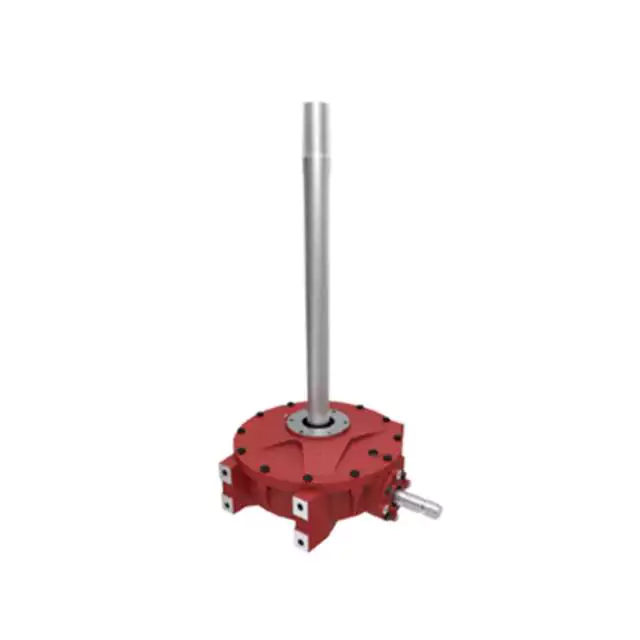
Tipos de caixas de engrenagens agrícolas para tarefas específicas
Existem diversos tipos de caixas de engrenagens agrícolas projetadas para atender a tarefas e aplicações específicas na agricultura. Essas caixas de engrenagens são fabricadas para atender aos requisitos exclusivos de diferentes máquinas e operações agrícolas. Alguns tipos comuns de caixas de engrenagens agrícolas incluem:
- Caixas de engrenagens para cortadores de grama rotativos: Essas caixas de engrenagens são usadas em cortadores e roçadeiras rotativas. Elas transmitem a potência da tomada de força (TDF) do trator para as lâminas, permitindo o corte eficiente de grama, plantações e vegetação.
- Caixas de engrenagens para espalhadores de esterco: Os distribuidores de estrume utilizam caixas de engrenagens especializadas para distribuir o estrume uniformemente nos campos. Essas caixas de engrenagens garantem a distribuição consistente do fertilizante, mesmo com cargas variáveis.
- Colheita de caixas de engrenagens: As caixas de engrenagens utilizadas em equipamentos de colheita, como colheitadeiras e ceifadeiras, permitem a coleta, debulha e separação eficientes das culturas de seus talos. Essas caixas de engrenagens suportam cargas elevadas e condições operacionais variáveis.
- Caixas de engrenagens para semeadoras: As semeadoras requerem caixas de engrenagens para distribuir as sementes com precisão e em intervalos consistentes. Essas caixas de engrenagens garantem a colocação precisa das sementes para uma germinação ideal e o crescimento adequado da cultura.
- Caixas de engrenagens para ancinhos de feno: Os ancinhos de feno utilizam caixas de engrenagens para juntar e organizar o feno em leiras para enfardamento. Essas caixas de engrenagens ajudam a otimizar o processo de coleta do feno.
- Caixas de engrenagens para sistemas de irrigação: Os sistemas de irrigação agrícola podem utilizar caixas de engrenagens para controlar o movimento e o posicionamento dos equipamentos de irrigação, garantindo uma distribuição eficiente da água nos campos.
- Caixas de engrenagens para equipamentos de lavoura: Gearboxes used in tillage equipment, such as plows and cultivators, help break up soil, prepare seedbeds, and promote seedling emergence.
- Caixas de câmbio de tratores: Os tratores podem incorporar diversas caixas de câmbio para tarefas como troca de marchas, acionamento da tomada de força e operação de implementos.
- Caixas de engrenagens para roscas transportadoras de grãos: Os transportadores de grãos utilizam caixas de engrenagens para facilitar o deslocamento dos grãos colhidos de um local para outro, como, por exemplo, de uma colheitadeira para um silo de armazenamento.
Cada tipo de caixa de engrenagens agrícola é projetada com características específicas, capacidades de carga e durabilidade para atender às demandas da tarefa a que se destina. Os fabricantes projetam essas caixas de engrenagens para suportar as condições desafiadoras das operações agrícolas, garantindo, ao mesmo tempo, um desempenho eficiente e confiável.


editor by CX 2024-02-06