
Description du produit
Agricultural Lawn Mower Gearbox
Replaces OEM gearboxes on 5′, 6′ and 7′ rotary cutters by these manufacturers: Worksaver, Hawkline, International, WAC, Big Bee,LMC, King Kutter, Midwest, Servis, Bush Hog, some Howse, and others. Please check measurements for proper fitment.
|
ARTICLE |
EP-RC61 |
|
Rapport |
1:1.46/1:1.93 |
|
Dents |
19/13 27/14 |
|
Module |
7.0 /5.5 |
|
Power(HP) |
60 |
|
Rated Input |
540rpm |
|
Description des entrées/sorties |
1-3/8 Z6 Taper spline |
|
Weight(N.W) |
36.5KG |
You work hard year-round under various conditions and need equipment that can do the same! Having a quality gearbox on your rotary cutter guarantees smooth operation and increased performance. It is our mission to provide you with the durable gearbox needed to optimize your work hours! Each gearbox features high-speed ball bearing units, along with heat-treated gears and shafts to ensure long life. The specifications on our gearboxes are made to match industry standards. All of our gearboxes are shipped dry and require a lubricating oil on par with manufacturer standards. Also, each gearbox includes a blade carrier mounting nut.
Application of Lawn Mower Gearbox
Replaces OEM gearboxes on 5′, 6′ and 7′ rotary cutters by these manufacturers: Worksaver, Hawkline, International, WAC, Big Bee,LMC, King Kutter, Midwest, Servis, Bush Hog, some Howse, and others. Please check measurements for proper fitment.
We Also Supply PTO Shafts
product-group/VqTESwWofuhM/PTO-Shaft-catalog-1.html
Other gearboxes
HangZhou Ever-power Transmission Machinery Co., Ltd. was established in 2006. The company is located in ZHangZhoug HangZhou, with 90 employees, an area of 3800 meters, and an annual output value of 40 million yuan. The company is committed to the R & D,manufacturing, and personnel training of various gearboxes, reducers, and construction machinery, including spiral bevel gearbox,spur gearbox, worm gearbox, and cylindrical gearbox. It also includes a variety of high-pressure cast valve body and shell products. Its products are used in various applications, such as agricultural mowers, snow sweepers, fertilizer applicators, grain conveyors, industrial equipment, oil mining machinery, marine industrial equipment, and engineering hydraulic components. More than 95% of its products are exported to Europe, the United States, and Australia. Asia and Canada. The company has strong technology and R & D capabilities, produces reliable and high-quality products, pursues a unique business philosophy and enjoys a high reputation in the manufacturing industry. Welcome to contact us by phone or email.
Company Information
| Taper: | Agricole |
|---|---|
| Usage: | Agricultural Products Processing, Farmland Infrastructure, Tillage, Harvester, Planting and Fertilization, Grain Threshing, Cleaning and Drying |
| Material: | Iron |
| Power Source: | Electricity |
| Weight: | 36.5kg |
| After-sales Service: | Installation Guide 3-Year Warranty |
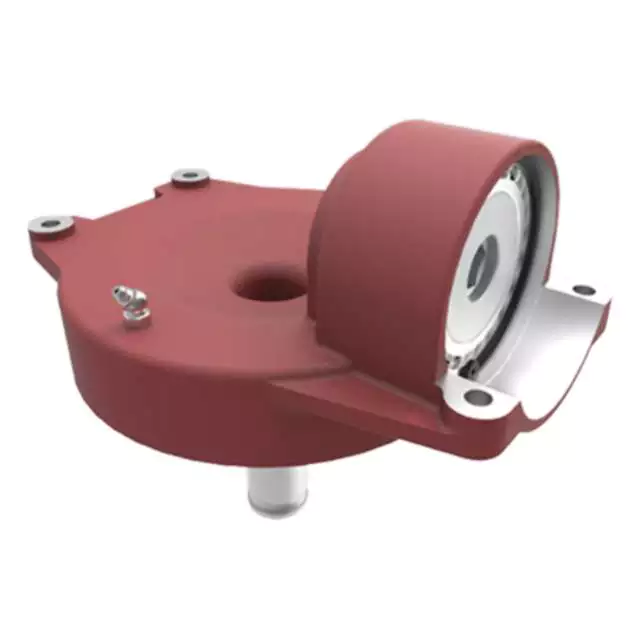
Impact of Gear Ratios on Machinery Performance in Agricultural Gearboxes
The gear ratio in agricultural gearboxes plays a crucial role in determining the performance of machinery. It directly affects the relationship between the input and output speeds and torques. Here’s how gear ratios influence machinery performance:
- Speed and Torque Conversion: Gear ratios allow for the conversion of speed and torque between the input and output shafts. Higher gear ratios can reduce output speed while increasing output torque, making it suitable for tasks requiring high power.
- Power and Efficiency: Gear ratios affect the efficiency of power transmission. While reducing the speed through higher gear ratios can increase torque, it’s essential to strike a balance to maintain efficiency. Lower efficiency can lead to energy loss and increased heat generation.
- Task Adaptability: Different agricultural tasks require varying levels of torque and speed. Gear ratios enable machinery to be adaptable to different tasks by providing the necessary torque for heavy-duty activities like plowing or tilling and higher speeds for tasks like transport.
- Optimal Performance: Selecting the appropriate gear ratio ensures that machinery operates within its optimal performance range. It prevents overloading the engine or the gearbox, contributing to smoother operation and reduced wear and tear.
- Productivity and Fuel Efficiency: Proper gear ratios can enhance the overall productivity of agricultural machinery. By optimizing torque and speed, tasks can be completed efficiently, reducing the time and fuel consumption required for operations.
- Consideration of Terrain: Different terrains and field conditions require adjustments in gear ratios. Steep slopes or heavy soil may necessitate lower gear ratios for increased torque, while flat terrain could benefit from higher ratios for faster operation.
- Impact on Components: Gear ratios can influence the load distribution on gearbox components. Higher gear ratios might subject components to increased forces and stresses, potentially affecting their lifespan.
- Operator Comfort: Proper gear ratios contribute to operator comfort by providing the necessary power for smooth operation without straining the machinery. This can lead to reduced operator fatigue and improved safety.
- Personnalisation : Some modern agricultural equipment offers adjustable or variable gear ratios, allowing operators to fine-tune machinery performance based on specific tasks and conditions.
Choosing the right gear ratio for agricultural gearboxes involves considering factors such as the intended task, soil conditions, and equipment specifications. It’s essential to strike a balance between torque and speed to achieve optimal machinery performance and maximize productivity.
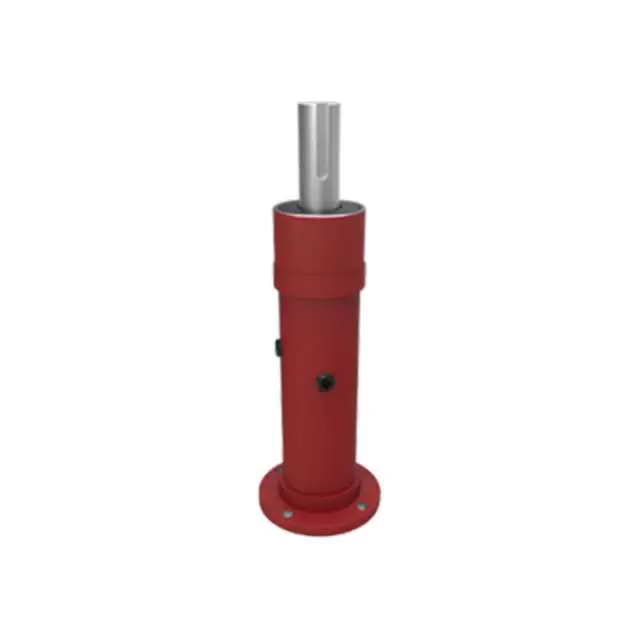
Factors to Consider When Selecting the Right Gearbox for Farm Machinery
Choosing the appropriate gearbox for farm machinery is crucial to ensure optimal performance and efficiency. Here are the key factors to consider when selecting the right gearbox:
- Power and Torque Requirements: Assess the power and torque needed for the specific task the machinery will perform. Select a gearbox that can handle the required load without straining the components.
- Speed Variation: Determine if the machinery requires variable speed control for different tasks. Some gearboxes offer adjustable speed options to match varying conditions and applications.
- Task Compatibility: Ensure that the chosen gearbox is compatible with the implements and attachments the machinery will use. Different tasks may require different gear ratios and torque capabilities.
- Efficiency: Opt for gearboxes known for their efficiency in power transmission. Efficient gearboxes minimize energy losses and maximize the output of the machinery.
- Durability: Farming environments can be demanding, so select a gearbox that is built to withstand the conditions, such as exposure to dirt, moisture, and impacts.
- Size and Weight: Consider the available space and weight limits on the machinery. Choose a gearbox that fits within these constraints without compromising performance.
- Maintenance: Evaluate the maintenance requirements of the gearbox. Gearboxes that are easy to maintain and service can minimize downtime and keep the machinery running smoothly.
- Cost: Balance the initial cost of the gearbox with its long-term benefits and performance. Investing in a quality gearbox can lead to better overall cost-effectiveness over time.
- Compatibilité: Ensure that the gearbox is compatible with the power source (such as the tractor’s power take-off) and other components of the machinery.
- Manufacturer Reputation: Choose gearboxes from reputable manufacturers with a history of producing reliable and high-quality agricultural machinery components.
By carefully considering these factors, farmers can select the right gearbox that meets the specific needs of their farm machinery, leading to enhanced efficiency, productivity, and longevity of equipment.
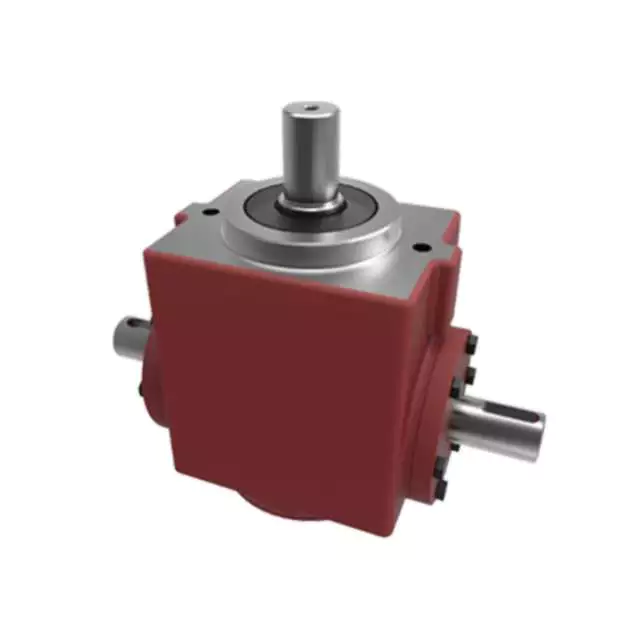
Contribution des boîtes de vitesses agricoles au fonctionnement des tracteurs
La boîte de vitesses agricole est un élément essentiel du système de transmission d'un tracteur. Elle joue un rôle primordial en permettant au tracteur d'effectuer une grande variété de tâches à la ferme. Le bon fonctionnement des tracteurs dépend fortement de celui de leurs boîtes de vitesses, qui assurent diverses fonctions essentielles :
- Transmission de puissance : Les tracteurs doivent fournir une puissance et un couple importants pour effectuer des tâches telles que le labour, le travail du sol et le transport. Les boîtes de vitesses agricoles transmettent la puissance du moteur du tracteur à ses roues ou à d'autres outils, permettant ainsi une transmission efficace de la puissance au sol.
- Contrôle de la vitesse : Les différentes tâches agricoles requièrent des vitesses différentes. Les boîtes de vitesses permettent aux opérateurs de contrôler la vitesse du tracteur en fonction des exigences de la tâche à accomplir. Qu'il s'agisse d'opérations à basse vitesse comme le labour ou de transports à grande vitesse, la boîte de vitesses assure les ajustements de vitesse nécessaires.
- Pièce jointe à l'implémentation : Les tracteurs sont souvent utilisés avec divers outils, tels que des charrues, des herses et des faucheuses. La boîte de vitesses facilite le raccordement et le fonctionnement de ces outils en transmettant la puissance et le couple du moteur du tracteur aux composants de l'outil.
- Changements de direction : Les boîtes de vitesses agricoles permettent aux tracteurs de changer de direction en douceur. Elles offrent le système d'engrenages nécessaire pour inverser le mouvement du tracteur, facilitant ainsi les manœuvres dans les exploitations, les champs et autour des obstacles.
- Adaptation au terrain : Les boîtes de vitesses agricoles permettent aux tracteurs de s'adapter aux différents types de terrains et de sols. En ajustant le rapport de transmission, les tracteurs peuvent optimiser leurs performances pour des tâches telles que la montée de pentes, le travail sur des terrains accidentés ou le remorquage de charges lourdes.
Les boîtes de vitesses agricoles modernes sont conçues pour offrir durabilité et fiabilité dans les conditions exigeantes du monde agricole. Elles sont souvent dotées de fonctionnalités telles que plusieurs vitesses, des mécanismes de synchronisation et des systèmes de lubrification performants afin d'optimiser leurs performances et leur durée de vie.
Un entretien régulier et des contrôles périodiques sont essentiels pour maintenir la boîte de vitesses agricole en parfait état. Une lubrification adéquate, l'inspection des engrenages et la réparation de tout signe d'usure ou de dommage contribuent à la longévité et au bon fonctionnement de la boîte de vitesses, garantissant ainsi la fonctionnalité du tracteur tout au long des saisons agricoles.


editor by CX 2023-09-08