
Opis produktu
Gearboxes for TMR Mixer or Biogas Plant Mixer
• It’s a group of factories providing one-stop solution of agricultural
• Gearbox: planetary gearbox, worm gearbox, helical gearbox…
• Chain drives: chain and Sprocket
• Coupling: rigid coupling, flexible coupling
• Components for the OEM.
• Another:PTO shaft,hydraulic motor,cylinder,valve box
|
Output toruqe |
30000N.m (max) |
|
Przełożenie |
1:13.4 / 1:24.18 |
|
Prędkość wejściowa |
1000RPM (Max) |
|
Input shaft |
Single / Double input spline shaft |
|
Waga |
250KG |
Powiązane produkty
Profil firmy
| Aplikacja: | Motor, Electric Cars, Motorcycle, Machinery, Marine, Agricultural Machinery, Car |
|---|---|
| Funkcjonować: | Dystrybucja mocy, sprzęgło, zmiana momentu obrotowego, zmiana kierunku jazdy, zmiana prędkości, redukcja prędkości, zwiększenie prędkości |
| Układ: | Współosiowy |
| Twardość: | Utwardzona powierzchnia zęba |
| Instalacja: | Typ poziomy |
| Krok: | Stal |
| Próbki: |
US$ 9999/sztuka
1 sztuka (minimalne zamówienie) | |
|---|
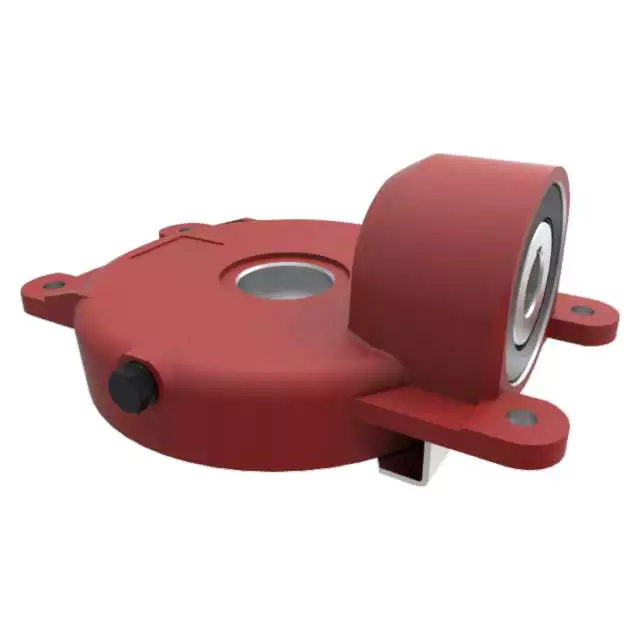
Lubrication Practices for Extending the Lifespan of Agricultural Gearboxes
Proper lubrication is essential for ensuring the longevity and optimal performance of agricultural gearboxes. Here are some essential lubrication practices that can help extend the lifespan of these gearboxes:
- Choose the Right Lubricant: Select a high-quality lubricant specifically designed for gearboxes and agricultural machinery. Consider factors such as viscosity, temperature range, and load-bearing capacity to ensure compatibility with the gearbox’s operating conditions.
- Regular Inspection: Perform regular visual inspections of the gearbox and lubricant to check for signs of contamination, wear, or inadequate lubrication. Address any issues promptly to prevent further damage.
- Cleanliness: Maintain a clean environment around the gearbox to minimize the risk of dirt, debris, and moisture entering the gearbox housing. Contaminants can compromise the lubricant’s effectiveness and accelerate wear.
- Lubricant Level: Monitor and maintain the proper lubricant level in the gearbox. Insufficient lubrication can lead to increased friction and heat, causing premature wear and potential damage to gears and bearings.
- Replace Lubricant: Follow the manufacturer’s recommendations for lubricant change intervals. Over time, lubricants can degrade, lose their properties, and become contaminated. Regularly replacing the lubricant helps ensure optimal performance.
- Use Lubrication Schedule: Create a lubrication schedule based on the gearbox’s usage and operating conditions. Stick to the recommended intervals for applying or changing lubricant to prevent under-lubrication or over-lubrication.
- Appropriate Lubrication Method: Follow the manufacturer’s guidelines for the correct lubrication method, whether it’s through oil bath, grease, or automatic lubrication systems. Proper application ensures even distribution of lubricant across gear surfaces.
- Temperature Considerations: Be aware of temperature variations in your operating environment. Extreme temperatures can affect lubricant viscosity and performance. Choose a lubricant that can handle the temperature range of your equipment.
- Expert Advice: Consult the gearbox manufacturer or a lubrication specialist to determine the best lubrication practices for your specific agricultural gearbox model and application.
By adhering to these lubrication practices, farmers can maximize the lifespan of their agricultural gearboxes, minimize downtime, and ensure efficient and reliable operation of their equipment.
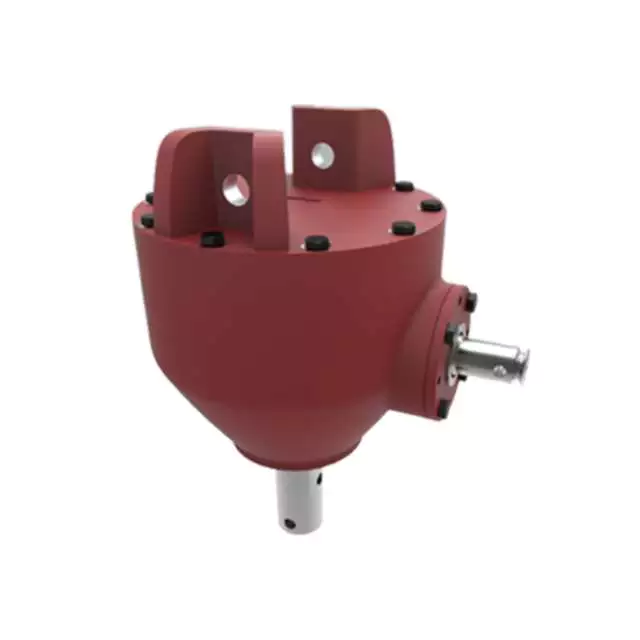
Potential Challenges in Maintenance and Repairs of Agricultural Gearboxes
Maintenance and repairs of gearboxes in agriculture can pose several challenges:
- Harsh Environments: Agricultural machinery operates in challenging environments with exposure to dirt, debris, moisture, and varying temperatures. These conditions can accelerate wear and corrosion, necessitating frequent maintenance.
- Heavy Workloads: Gearboxes in farming equipment often handle heavy workloads, leading to increased stress on components. This can result in faster wear and tear, requiring more frequent inspections and part replacements.
- Accessibility: Some gearboxes are located in hard-to-reach areas of machinery. This makes regular maintenance and repairs more challenging, as technicians may need specialized tools and equipment to access and service the gearboxes.
- Specialized Knowledge: Proper maintenance of agricultural gearboxes requires specialized knowledge and skills. Inadequate understanding of gearbox mechanics and maintenance practices can lead to improper repairs, reducing the gearbox’s lifespan and efficiency.
- Costs: Repairing or replacing gearbox components can be costly, especially for heavy-duty agricultural machinery. Farmers need to consider both the direct costs of parts and labor, as well as potential downtime during repair processes.
- Downtime: The downtime required for gearbox maintenance or repairs can impact farming operations, especially during critical planting or harvesting seasons. Efficient scheduling and backup equipment can help mitigate this challenge.
- Availability of Parts: Obtaining replacement parts for older or less common gearbox models can be challenging. Farmers may need to source parts from specialized suppliers, leading to potential delays in repairs.
Addressing these challenges requires proactive maintenance planning, regular inspections, proper training of maintenance personnel, and sourcing spare parts in advance.
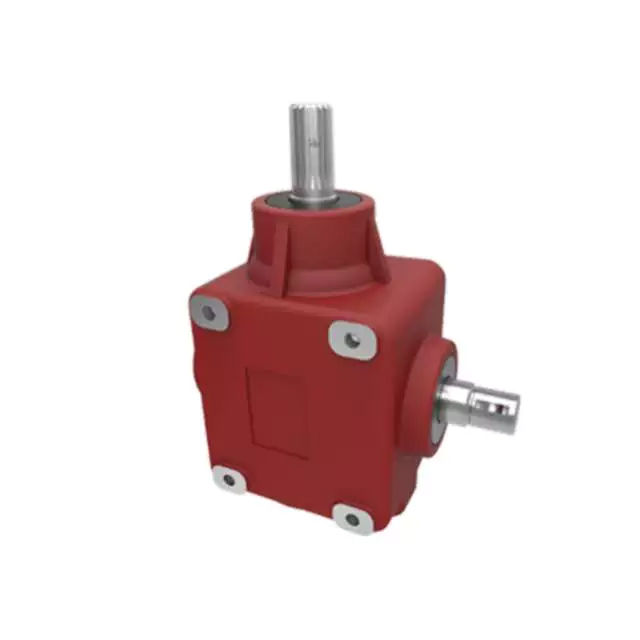
Kluczowe cechy trwałej i niezawodnej skrzyni biegów w maszynach rolniczych
Trwała i niezawodna przekładnia rolnicza ma kluczowe znaczenie dla efektywnej pracy maszyn i urządzeń rolniczych. Na trwałość i niezawodność przekładni rolniczych wpływają następujące kluczowe cechy:
- Materiały wysokiej jakości: Przekładnie rolnicze są często narażone na trudne warunki, takie jak kurz, zanieczyszczenia i zmienne warunki atmosferyczne. Zastosowanie wysokiej jakości materiałów, takich jak wytrzymała stal stopowa, może zwiększyć odporność przekładni na zużycie, korozję i inne uszkodzenia.
- Solidna konstrukcja: Przekładnia powinna mieć solidną i wytrzymałą konstrukcję, aby wytrzymać obciążenia i naprężenia związane z pracami rolniczymi. Wzmocnione obudowy, precyzyjna obróbka i solidne uszczelnienia pomagają zapobiegać uszkodzeniom i zapewniają długowieczność.
- Skuteczny system smarowania: Prawidłowe smarowanie jest kluczowe dla zmniejszenia tarcia, odprowadzania ciepła i zapobiegania przedwczesnemu zużyciu. Przekładnie rolnicze powinny być wyposażone w wydajne systemy smarowania, które zapewniają odpowiednie smarowanie wszystkich podzespołów, nawet podczas długotrwałej eksploatacji.
- Uszczelnianie i ochrona: Kurz, brud i wilgoć to częste wyzwania w środowisku rolniczym. Skuteczne mechanizmy uszczelniające, takie jak uszczelki i pierścienie uszczelniające, zapobiegają przedostawaniu się zanieczyszczeń do przekładni i chronią elementy wewnętrzne przed uszkodzeniem.
- Rozpraszanie ciepła: Przekładnia powinna być zaprojektowana tak, aby skutecznie odprowadzać ciepło, szczególnie podczas długotrwałej pracy. Przegrzanie może prowadzić do awarii układu smarowania i przedwczesnego zużycia. Żebra chłodzące i odpowiednia wentylacja pomogą utrzymać optymalną temperaturę pracy.
- Jakość i precyzja przekładni: Wysokiej jakości koła zębate o precyzyjnych profilach zębów i precyzyjnym wykonaniu zapewniają płynne i wydajne przenoszenie mocy. Prawidłowo obrobione koła zębate redukują hałas, wibracje i ryzyko awarii.
- Zaawansowana konstrukcja przekładni: Niektóre przekładnie rolnicze mogą być wyposażone w zaawansowane konstrukcje, takie jak przekładnie śrubowe lub planetarne. Konstrukcje te zapewniają wyższą wydajność, niższy poziom hałasu i większą nośność w porównaniu z tradycyjnymi przekładniami walcowymi.
- Zabezpieczenie przed przeciążeniem: Zastosowanie mechanizmów zabezpieczających przed przeciążeniem, takich jak sworznie ścinane lub układy sprzęgłowe, może zapobiec uszkodzeniu skrzyni biegów i innych podłączonych podzespołów w przypadku nagłych dużych obciążeń lub zacięć.
- Łatwy dostęp konserwacyjny: Przekładnia powinna być zaprojektowana z myślą o konserwacji. Dostępne punkty kontrolne, korki spustowe i otwory wlewowe ułatwiają operatorom wykonywanie rutynowych czynności konserwacyjnych.
Producenci często projektują przekładnie rolnicze tak, aby spełniały te wymagania, zapewniając tym samym, że wytrzymują one trudne warunki eksploatacji w rolnictwie i przyczyniają się do niezawodnej pracy maszyn rolniczych.


editor by CX 2023-09-18