
Description du produit
Gearboxes for TMR Mixer or Biogas Plant Mixer
• It’s a group of factories providing one-stop solution of agricultural
• Gearbox: planetary gearbox, worm gearbox, helical gearbox…
• Chain drives: chain and Sprocket
• Coupling: rigid coupling, flexible coupling
• Components for the OEM.
• Another:PTO shaft,hydraulic motor,cylinder,valve box
|
Output toruqe |
30000N.m (max) |
|
Rapport de transmission |
1:13.4 / 1:24.18 |
|
Input speed |
1000RPM (Max) |
|
Input shaft |
Single / Double input spline shaft |
|
Poids |
250KG |
Related Products
Profil de l'entreprise
| Application: | Motor, Electric Cars, Motorcycle, Machinery, Marine, Agricultural Machinery, Car |
|---|---|
| Fonction: | Distribution de puissance, embrayage, modification du couple moteur, changement de sens de rotation, changement de vitesse, réduction de vitesse, accélération |
| Mise en page: | Coaxial |
| Dureté: | Surface dentaire durcie |
| Installation: | Type horizontal |
| Étape: | Steel |
| Exemples : |
US$ 9999/Piece
1 pièce (commande minimale) | |
|---|
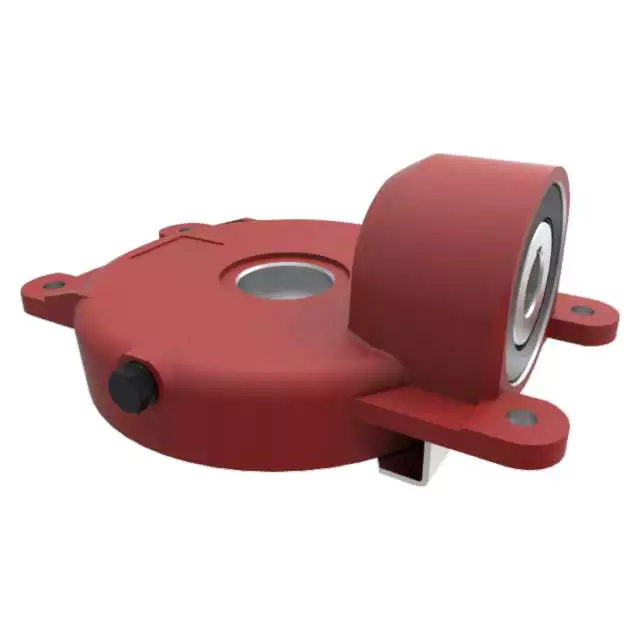
Lubrication Practices for Extending the Lifespan of Agricultural Gearboxes
Proper lubrication is essential for ensuring the longevity and optimal performance of agricultural gearboxes. Here are some essential lubrication practices that can help extend the lifespan of these gearboxes:
- Choose the Right Lubricant: Select a high-quality lubricant specifically designed for gearboxes and agricultural machinery. Consider factors such as viscosity, temperature range, and load-bearing capacity to ensure compatibility with the gearbox’s operating conditions.
- Regular Inspection: Perform regular visual inspections of the gearbox and lubricant to check for signs of contamination, wear, or inadequate lubrication. Address any issues promptly to prevent further damage.
- Cleanliness: Maintain a clean environment around the gearbox to minimize the risk of dirt, debris, and moisture entering the gearbox housing. Contaminants can compromise the lubricant’s effectiveness and accelerate wear.
- Lubricant Level: Monitor and maintain the proper lubricant level in the gearbox. Insufficient lubrication can lead to increased friction and heat, causing premature wear and potential damage to gears and bearings.
- Replace Lubricant: Follow the manufacturer’s recommendations for lubricant change intervals. Over time, lubricants can degrade, lose their properties, and become contaminated. Regularly replacing the lubricant helps ensure optimal performance.
- Use Lubrication Schedule: Create a lubrication schedule based on the gearbox’s usage and operating conditions. Stick to the recommended intervals for applying or changing lubricant to prevent under-lubrication or over-lubrication.
- Appropriate Lubrication Method: Follow the manufacturer’s guidelines for the correct lubrication method, whether it’s through oil bath, grease, or automatic lubrication systems. Proper application ensures even distribution of lubricant across gear surfaces.
- Temperature Considerations: Be aware of temperature variations in your operating environment. Extreme temperatures can affect lubricant viscosity and performance. Choose a lubricant that can handle the temperature range of your equipment.
- Expert Advice: Consult the gearbox manufacturer or a lubrication specialist to determine the best lubrication practices for your specific agricultural gearbox model and application.
By adhering to these lubrication practices, farmers can maximize the lifespan of their agricultural gearboxes, minimize downtime, and ensure efficient and reliable operation of their equipment.
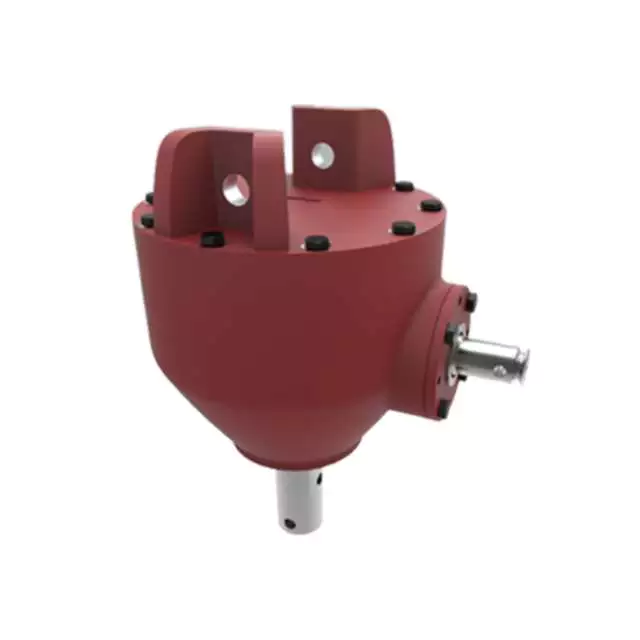
Défis potentiels liés à l'entretien et à la réparation des boîtes de vitesses agricoles
L'entretien et la réparation des boîtes de vitesses en agriculture peuvent présenter plusieurs défis :
- Environnements difficiles : Les machines agricoles fonctionnent dans des environnements difficiles, exposées à la saleté, aux débris, à l'humidité et à des températures variables. Ces conditions peuvent accélérer l'usure et la corrosion, nécessitant un entretien fréquent.
- Charges de travail importantes : Les boîtes de vitesses des engins agricoles sont souvent soumises à des charges de travail importantes, ce qui accroît les contraintes sur leurs composants. Il en résulte une usure plus rapide, nécessitant des inspections et des remplacements de pièces plus fréquents.
- Accessibilité: Certaines boîtes de vitesses sont situées dans des zones difficiles d'accès des machines. Cela complique les opérations d'entretien et de réparation régulières, car les techniciens peuvent avoir besoin d'outils et d'équipements spécialisés pour y accéder et les réparer.
- Connaissances spécialisées : L'entretien adéquat des boîtes de vitesses agricoles requiert des connaissances et des compétences spécialisées. Une compréhension insuffisante de leur fonctionnement et des pratiques d'entretien peut entraîner des réparations inadéquates, réduisant ainsi la durée de vie et l'efficacité de la boîte de vitesses.
- Frais: La réparation ou le remplacement des composants de la boîte de vitesses peut s'avérer coûteux, notamment pour les machines agricoles lourdes. Les agriculteurs doivent prendre en compte à la fois le coût direct des pièces et de la main-d'œuvre, ainsi que les temps d'arrêt potentiels pendant les réparations.
- Temps d'arrêt : Les temps d'arrêt nécessaires à l'entretien ou à la réparation des boîtes de vitesses peuvent impacter les opérations agricoles, notamment pendant les périodes critiques de semis ou de récolte. Une planification efficace et des équipements de secours peuvent contribuer à atténuer ce problème.
- Disponibilité des pièces : L'obtention de pièces de rechange pour les modèles de boîtes de vitesses anciens ou moins courants peut s'avérer complexe. Les agriculteurs peuvent être amenés à se procurer ces pièces auprès de fournisseurs spécialisés, ce qui risque d'entraîner des retards dans les réparations.
Pour relever ces défis, il est nécessaire de mettre en place une planification proactive de la maintenance, des inspections régulières, une formation adéquate du personnel de maintenance et un approvisionnement anticipé en pièces de rechange.
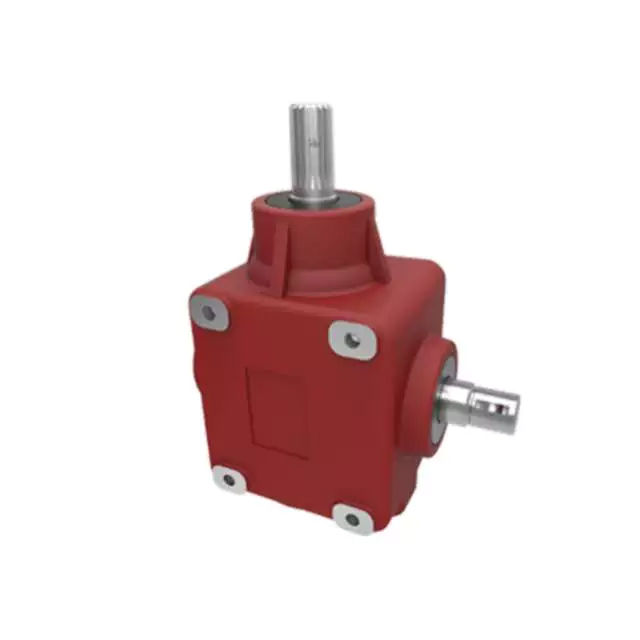
Key Features of a Durable and Reliable Agricultural Gearbox
A durable and reliable agricultural gearbox is crucial for the efficient operation of farming equipment and machinery. The following key features contribute to the durability and reliability of agricultural gearboxes:
- High-Quality Materials: Agricultural gearboxes are often exposed to harsh conditions, including dust, debris, and varying weather. Using high-quality materials, such as strong alloy steels, can enhance the gearbox’s resistance to wear, corrosion, and other forms of deterioration.
- Rugged Construction: The gearbox should have a robust and rugged construction to withstand the stresses and strains associated with agricultural tasks. Reinforced housings, precision machining, and robust seals can help prevent damage and ensure longevity.
- Effective Lubrication System: Proper lubrication is vital to reduce friction, dissipate heat, and prevent premature wear. Agricultural gearboxes should be equipped with efficient lubrication systems that ensure all components are adequately lubricated, even during extended operation.
- Étanchéité et protection : Dust, dirt, and moisture are common challenges in agricultural environments. Effective sealing mechanisms, such as gaskets and seals, prevent contaminants from entering the gearbox and protect internal components from damage.
- Dissipation de la chaleur : The gearbox should be designed to dissipate heat effectively, especially during prolonged operation. Overheating can lead to lubrication breakdown and premature wear. Cooling fins and adequate ventilation can help maintain optimal operating temperatures.
- Gear Quality and Precision: High-quality gears with accurate tooth profiles and precision manufacturing ensure smooth and efficient power transmission. Properly machined gears reduce noise, vibration, and the risk of gear failures.
- Advanced Gear Design: Some agricultural gearboxes may feature advanced gear designs, such as helical or planetary gears. These designs offer improved efficiency, reduced noise, and increased load-bearing capacity compared to traditional spur gears.
- Overload Protection: Incorporating overload protection mechanisms, such as shear pins or clutch systems, can prevent damage to the gearbox and other connected components in case of sudden high loads or jams.
- Easy Maintenance Access: The gearbox should be designed with maintenance in mind. Accessible inspection points, drain plugs, and fill ports make it easier for operators to perform routine maintenance tasks.
Manufacturers often engineer agricultural gearboxes to meet these requirements, ensuring that they can withstand the demanding conditions of farming operations and contribute to the reliable performance of agricultural machinery.


editor by CX 2023-09-18