
Descrizione del prodotto
Gearboxes for TMR Mixer or Biogas Plant Mixer
• It’s a group of factories providing one-stop solution of agricultural
• Gearbox: planetary gearbox, worm gearbox, helical gearbox…
• Chain drives: chain and Sprocket
• Coupling: rigid coupling, flexible coupling
• Components for the OEM.
• Another:PTO shaft,hydraulic motor,cylinder,valve box
|
Output toruqe |
30000N.m (max) |
|
Rapporto di trasmissione |
1:13.4 / 1:24.18 |
|
velocità di input |
1000RPM (Max) |
|
Input shaft |
Single / Double input spline shaft |
|
Peso |
250 kg |
Prodotti correlati
Profilo Aziendale
| Applicazione: | Motore, Auto elettriche, Motocicletta, Macchinari, Nautica, Macchinari agricoli, Auto |
|---|---|
| Funzione: | Distribuzione della potenza, frizione, cambio di coppia motrice, cambio di direzione di marcia, cambio di velocità, riduzione di velocità, aumento di velocità |
| Disposizione: | Coassiale |
| Durezza: | Superficie del dente indurita |
| Installazione: | Tipo orizzontale |
| Fare un passo: | Acciaio |
| Esempi: |
US$ 9999/Pezzo
1 pezzo (ordine minimo) | |
|---|
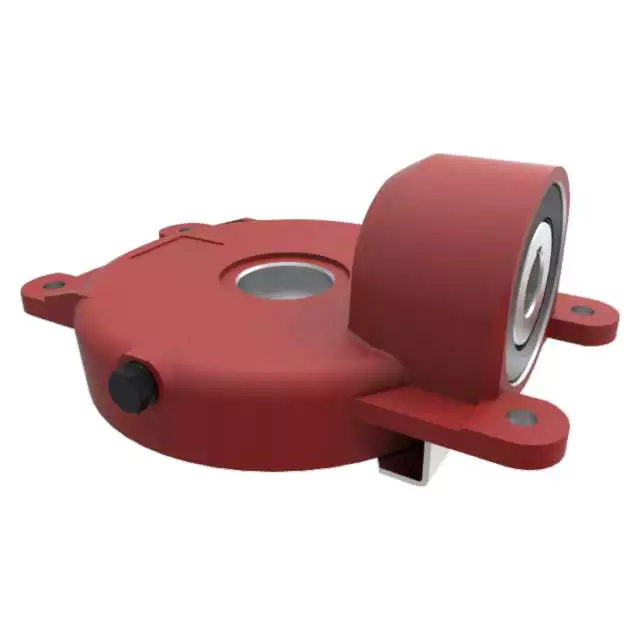
Procedure di lubrificazione per prolungare la durata utile dei riduttori agricoli
Una lubrificazione adeguata è essenziale per garantire la longevità e le prestazioni ottimali dei riduttori agricoli. Ecco alcune pratiche di lubrificazione fondamentali che possono contribuire a prolungare la vita utile di questi riduttori:
- Scegli il lubrificante giusto: Seleziona un lubrificante di alta qualità specificamente progettato per riduttori e macchine agricole. Considera fattori quali viscosità, intervallo di temperatura e capacità di carico per garantire la compatibilità con le condizioni operative del riduttore.
- Ispezione periodica: Eseguire ispezioni visive periodiche del cambio e del lubrificante per verificare la presenza di segni di contaminazione, usura o lubrificazione insufficiente. Risolvere tempestivamente qualsiasi problema per prevenire ulteriori danni.
- Pulizia: Mantenere pulito l'ambiente circostante il cambio per ridurre al minimo il rischio che sporco, detriti e umidità penetrino nell'alloggiamento. I contaminanti possono compromettere l'efficacia del lubrificante e accelerare l'usura.
- Livello del lubrificante: Monitorare e mantenere il livello di lubrificante corretto nel cambio. Una lubrificazione insufficiente può causare un aumento dell'attrito e del calore, con conseguente usura precoce e potenziali danni a ingranaggi e cuscinetti.
- Sostituire il lubrificante: Attenetevi alle raccomandazioni del produttore per gli intervalli di cambio del lubrificante. Nel tempo, i lubrificanti possono degradarsi, perdere le loro proprietà e contaminarsi. La sostituzione regolare del lubrificante contribuisce a garantire prestazioni ottimali.
- Utilizzare il programma di lubrificazione: Crea un programma di lubrificazione basato sull'utilizzo e sulle condizioni operative del cambio. Attieniti agli intervalli consigliati per l'applicazione o la sostituzione del lubrificante per evitare una lubrificazione insufficiente o eccessiva.
- Metodo di lubrificazione appropriato: Attenetevi alle linee guida del produttore per il metodo di lubrificazione corretto, che si tratti di bagno d'olio, grasso o sistemi di lubrificazione automatica. Una corretta applicazione garantisce una distribuzione uniforme del lubrificante sulle superfici degli ingranaggi.
- Considerazioni sulla temperatura: Tieni presente le variazioni di temperatura nell'ambiente operativo. Le temperature estreme possono influire sulla viscosità e sulle prestazioni del lubrificante. Scegli un lubrificante adatto all'intervallo di temperature delle tue apparecchiature.
- Consigli degli esperti: Consultare il produttore del riduttore o uno specialista della lubrificazione per determinare le migliori pratiche di lubrificazione per il modello e l'applicazione specifici del proprio riduttore agricolo.
Seguendo queste pratiche di lubrificazione, gli agricoltori possono massimizzare la durata dei loro riduttori agricoli, ridurre al minimo i tempi di inattività e garantire un funzionamento efficiente e affidabile delle loro attrezzature.
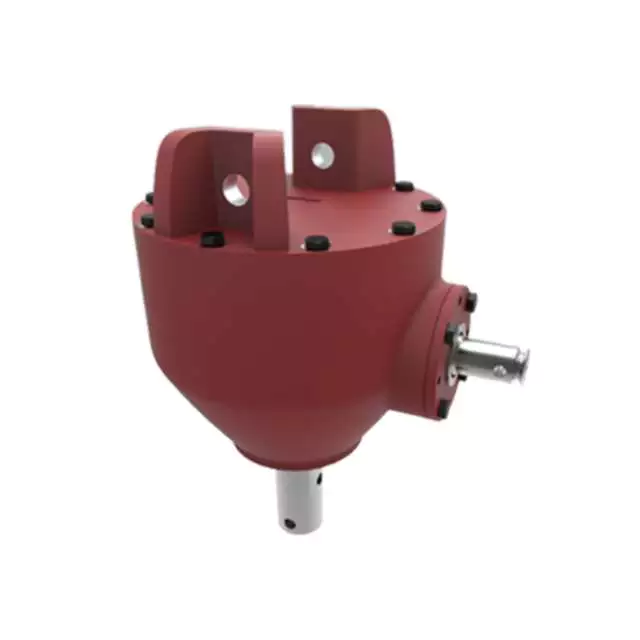
Potential Challenges in Maintenance and Repairs of Agricultural Gearboxes
Maintenance and repairs of gearboxes in agriculture can pose several challenges:
- Harsh Environments: Agricultural machinery operates in challenging environments with exposure to dirt, debris, moisture, and varying temperatures. These conditions can accelerate wear and corrosion, necessitating frequent maintenance.
- Heavy Workloads: Gearboxes in farming equipment often handle heavy workloads, leading to increased stress on components. This can result in faster wear and tear, requiring more frequent inspections and part replacements.
- Accessibility: Some gearboxes are located in hard-to-reach areas of machinery. This makes regular maintenance and repairs more challenging, as technicians may need specialized tools and equipment to access and service the gearboxes.
- Specialized Knowledge: Proper maintenance of agricultural gearboxes requires specialized knowledge and skills. Inadequate understanding of gearbox mechanics and maintenance practices can lead to improper repairs, reducing the gearbox’s lifespan and efficiency.
- Costs: Repairing or replacing gearbox components can be costly, especially for heavy-duty agricultural machinery. Farmers need to consider both the direct costs of parts and labor, as well as potential downtime during repair processes.
- Downtime: The downtime required for gearbox maintenance or repairs can impact farming operations, especially during critical planting or harvesting seasons. Efficient scheduling and backup equipment can help mitigate this challenge.
- Availability of Parts: Obtaining replacement parts for older or less common gearbox models can be challenging. Farmers may need to source parts from specialized suppliers, leading to potential delays in repairs.
Addressing these challenges requires proactive maintenance planning, regular inspections, proper training of maintenance personnel, and sourcing spare parts in advance.
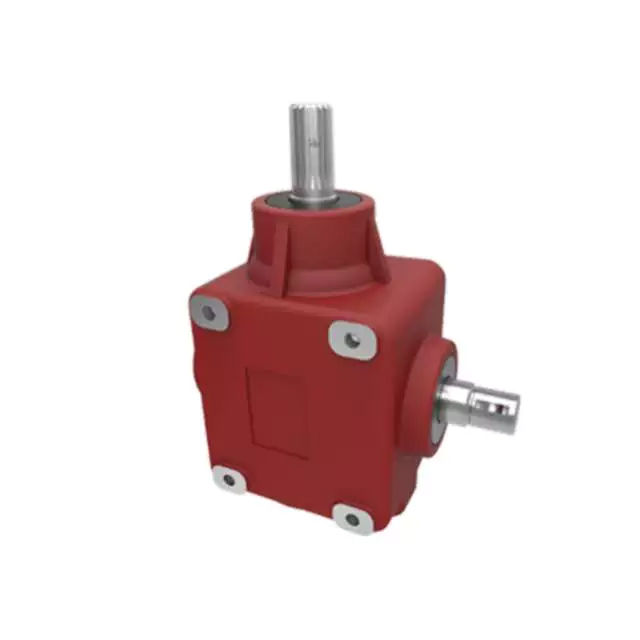
Key Features of a Durable and Reliable Agricultural Gearbox
A durable and reliable agricultural gearbox is crucial for the efficient operation of farming equipment and machinery. The following key features contribute to the durability and reliability of agricultural gearboxes:
- High-Quality Materials: Agricultural gearboxes are often exposed to harsh conditions, including dust, debris, and varying weather. Using high-quality materials, such as strong alloy steels, can enhance the gearbox’s resistance to wear, corrosion, and other forms of deterioration.
- Rugged Construction: The gearbox should have a robust and rugged construction to withstand the stresses and strains associated with agricultural tasks. Reinforced housings, precision machining, and robust seals can help prevent damage and ensure longevity.
- Effective Lubrication System: Proper lubrication is vital to reduce friction, dissipate heat, and prevent premature wear. Agricultural gearboxes should be equipped with efficient lubrication systems that ensure all components are adequately lubricated, even during extended operation.
- Sigillatura e protezione: Dust, dirt, and moisture are common challenges in agricultural environments. Effective sealing mechanisms, such as gaskets and seals, prevent contaminants from entering the gearbox and protect internal components from damage.
- Dissipazione del calore: The gearbox should be designed to dissipate heat effectively, especially during prolonged operation. Overheating can lead to lubrication breakdown and premature wear. Cooling fins and adequate ventilation can help maintain optimal operating temperatures.
- Gear Quality and Precision: High-quality gears with accurate tooth profiles and precision manufacturing ensure smooth and efficient power transmission. Properly machined gears reduce noise, vibration, and the risk of gear failures.
- Advanced Gear Design: Some agricultural gearboxes may feature advanced gear designs, such as helical or planetary gears. These designs offer improved efficiency, reduced noise, and increased load-bearing capacity compared to traditional spur gears.
- Protezione da sovraccarico: Incorporating overload protection mechanisms, such as shear pins or clutch systems, can prevent damage to the gearbox and other connected components in case of sudden high loads or jams.
- Easy Maintenance Access: The gearbox should be designed with maintenance in mind. Accessible inspection points, drain plugs, and fill ports make it easier for operators to perform routine maintenance tasks.
Manufacturers often engineer agricultural gearboxes to meet these requirements, ensuring that they can withstand the demanding conditions of farming operations and contribute to the reliable performance of agricultural machinery.


editor by CX 2023-09-18