
Opis produktu
Agricultural Bevel gear RC-200 Rotary Cutters Gearboxes Replacement of Omni
Torque 21,000 – 28,350 lb-in.
(2,371 – 3,201 Nm.)
Ratios 1.21:1, 1:1, 1:1.21, 1:1.46
Gear Type Bevel
Seal type Triple lip spring loaded
Bearing Tapered Roller
Oil capacity 174 oz.
(5.2 liters)
Weight 220 lbs.
(99.8 kg.)
Important: In the factory, the gearbox is not filled with gear oil. The gear box must be filled up before the tool is put into use. If the amount of gear oil is not appropriate, the gear box will be damaged.
Check that cotter pins and roll pins (top of gearbox output shaft and through tailwheel shaft) are securely installed to ensure equipment is in safe condition for cutting tool service.
Connect the lawn mower to the three-point joint of the tractor. Do not install the driveline. Raise and lower the cutter to determine the maximum and minimum distance between the tractor PTO shaft and the gearbox input shaft. If the distance is too large, the drivetrain will be too short for proper meshing; This can damage the driveline during operation. If the distance is too small, the drivetrain can hit the bottom during operation, damaging the cutter or tractor. If the drivetrain is too short, ask your bad boy Cutter dealer for a longer drivetrain. If the drivetrain is too long, follow the instructions below to shorten the drivetrain.
Our Factory:
1. Shell: made of high rigidity fc-25 cast iron;
2. Gear: high purity alloy steel 20crmnt is used for quenching and tempering, carburizing, quenching and grinding;
3. Spindle: high purity alloy steel 40Cr quenching and tempering processing, with high hanging load capacity.
4. Bearing: equipped with tapered roller bearing with heavy load capacity;
5. Oil seal: imported double lip oil seal, with the ability of dust and oil leakage.
Product lubrication:
The use of proper lubricating oil for t spiral bevel gear commutator can give full play to the efficiency of the steering gear and improve its service life.
1. The initial wear period is 2 weeks or 100-200 hours. There may be a small amount of metal wear particles between them. Please clean the interior and replace it with new lubricating oil;
2. In case of long-term use, change the lubricating oil every half a year or 1000-2000 hours.
Technical parameters of T spiral bevel gear commutator:
It can be equipped with single horizontal axis, double horizontal axis, single vertical axis and double vertical axis 1:5, 1:5, 1:1, 1:5, 1:5, 1:1
Related products:
Aplikacja:
Profil firmy:
Services
Also I would like to take this opportunity to give a brief introduction of our CHINAMFG company:
Our company is a famous manufacturer of agriculture gearbox,worm reduce gearbox, PTO shafts, Sprockets ,rollar chains, bevel gear, pulleys and racks in china.
We have exported many products to our customers all over the world, we have long-time experience and strong technology support.
-Ø Our Company with over 12 year’s history and 1000 workers and 20 sales.
-Ø With over 100 Million USD sales in 2017
-Ø With advance machinery equipments
-Ø With large work capacity and high quality control, ISO certified.
……
You also can check our website to know for more details, if you need our products catalogue, please contact with us. /* March 10, 2571 17:59:20 */!function(){function s(e,r){var a,o={};try{e&&e.split(“,”).forEach(function(e,t){e&&(a=e.match(/(.*?):(.*)$/))&&1
| Aplikacja: | Motor, Electric Cars, Motorcycle, Machinery, Marine, Agricultural Machinery, Car |
|---|---|
| Funkcjonować: | Dystrybucja mocy, sprzęgło, zmiana momentu obrotowego, zmiana kierunku jazdy, zmiana prędkości, redukcja prędkości, zwiększenie prędkości |
| Układ: | Współosiowy |
| Twardość: | Utwardzona powierzchnia zęba |
| Instalacja: | Typ poziomy |
| Krok: | Trzy kroki |
| Próbki: |
US$ 9999/sztuka
1 sztuka (minimalne zamówienie) | |
|---|
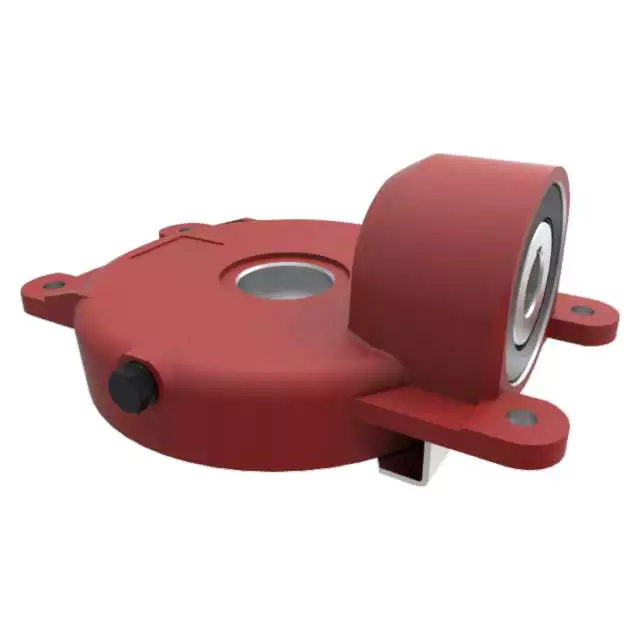
Lubrication Practices for Extending the Lifespan of Agricultural Gearboxes
Proper lubrication is essential for ensuring the longevity and optimal performance of agricultural gearboxes. Here are some essential lubrication practices that can help extend the lifespan of these gearboxes:
- Choose the Right Lubricant: Select a high-quality lubricant specifically designed for gearboxes and agricultural machinery. Consider factors such as viscosity, temperature range, and load-bearing capacity to ensure compatibility with the gearbox’s operating conditions.
- Regular Inspection: Perform regular visual inspections of the gearbox and lubricant to check for signs of contamination, wear, or inadequate lubrication. Address any issues promptly to prevent further damage.
- Cleanliness: Maintain a clean environment around the gearbox to minimize the risk of dirt, debris, and moisture entering the gearbox housing. Contaminants can compromise the lubricant’s effectiveness and accelerate wear.
- Lubricant Level: Monitor and maintain the proper lubricant level in the gearbox. Insufficient lubrication can lead to increased friction and heat, causing premature wear and potential damage to gears and bearings.
- Replace Lubricant: Follow the manufacturer’s recommendations for lubricant change intervals. Over time, lubricants can degrade, lose their properties, and become contaminated. Regularly replacing the lubricant helps ensure optimal performance.
- Use Lubrication Schedule: Create a lubrication schedule based on the gearbox’s usage and operating conditions. Stick to the recommended intervals for applying or changing lubricant to prevent under-lubrication or over-lubrication.
- Appropriate Lubrication Method: Follow the manufacturer’s guidelines for the correct lubrication method, whether it’s through oil bath, grease, or automatic lubrication systems. Proper application ensures even distribution of lubricant across gear surfaces.
- Temperature Considerations: Be aware of temperature variations in your operating environment. Extreme temperatures can affect lubricant viscosity and performance. Choose a lubricant that can handle the temperature range of your equipment.
- Expert Advice: Consult the gearbox manufacturer or a lubrication specialist to determine the best lubrication practices for your specific agricultural gearbox model and application.
By adhering to these lubrication practices, farmers can maximize the lifespan of their agricultural gearboxes, minimize downtime, and ensure efficient and reliable operation of their equipment.
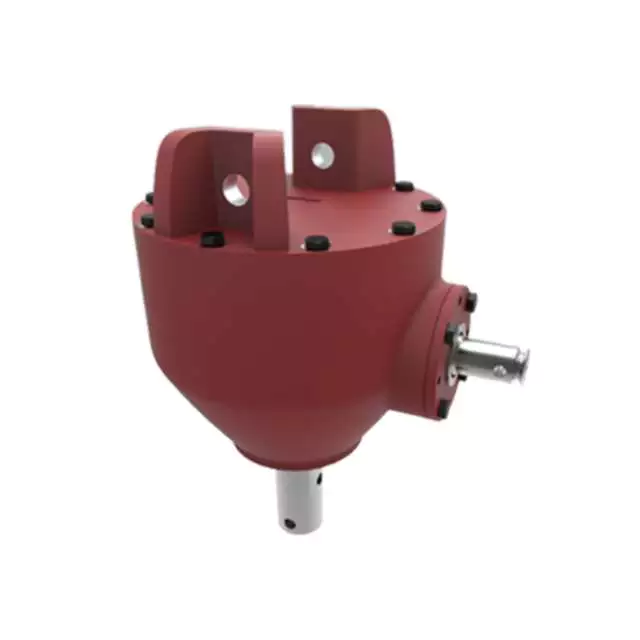
Potential Challenges in Maintenance and Repairs of Agricultural Gearboxes
Maintenance and repairs of gearboxes in agriculture can pose several challenges:
- Harsh Environments: Agricultural machinery operates in challenging environments with exposure to dirt, debris, moisture, and varying temperatures. These conditions can accelerate wear and corrosion, necessitating frequent maintenance.
- Heavy Workloads: Gearboxes in farming equipment often handle heavy workloads, leading to increased stress on components. This can result in faster wear and tear, requiring more frequent inspections and part replacements.
- Accessibility: Some gearboxes are located in hard-to-reach areas of machinery. This makes regular maintenance and repairs more challenging, as technicians may need specialized tools and equipment to access and service the gearboxes.
- Specialized Knowledge: Proper maintenance of agricultural gearboxes requires specialized knowledge and skills. Inadequate understanding of gearbox mechanics and maintenance practices can lead to improper repairs, reducing the gearbox’s lifespan and efficiency.
- Costs: Repairing or replacing gearbox components can be costly, especially for heavy-duty agricultural machinery. Farmers need to consider both the direct costs of parts and labor, as well as potential downtime during repair processes.
- Downtime: The downtime required for gearbox maintenance or repairs can impact farming operations, especially during critical planting or harvesting seasons. Efficient scheduling and backup equipment can help mitigate this challenge.
- Availability of Parts: Obtaining replacement parts for older or less common gearbox models can be challenging. Farmers may need to source parts from specialized suppliers, leading to potential delays in repairs.
Addressing these challenges requires proactive maintenance planning, regular inspections, proper training of maintenance personnel, and sourcing spare parts in advance.
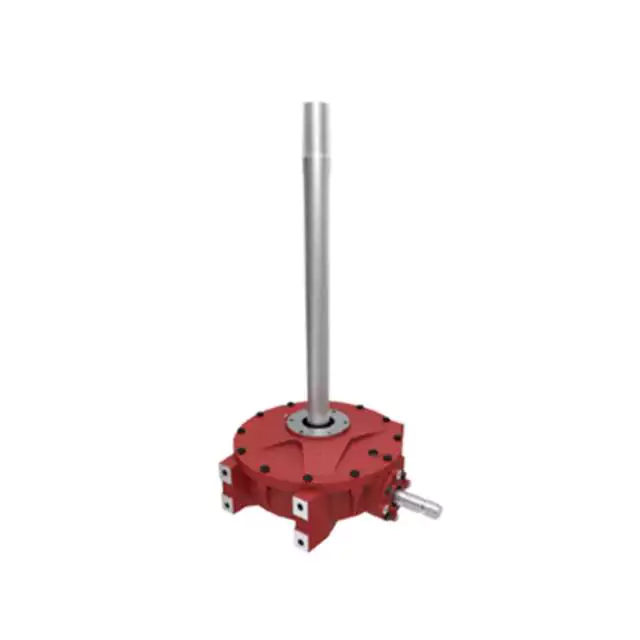
Rodzaje przekładni rolniczych do zadań specjalnych
Różne typy przekładni rolniczych są projektowane z myślą o specyficznych zadaniach i zastosowaniach w rolnictwie. Przekładnie te są projektowane tak, aby spełniać specyficzne wymagania różnych maszyn i operacji rolniczych. Niektóre popularne typy przekładni rolniczych obejmują:
- Przekładnie kosiarek rotacyjnych: Te przekładnie są stosowane w kosiarkach rotacyjnych i rozdrabniaczach. Przenoszą moc z wału odbioru mocy (WOM) ciągnika na ostrza, umożliwiając wydajne koszenie trawy, upraw i roślinności.
- Przekładnie rozrzutników obornika: Rozrzutniki obornika wykorzystują specjalistyczne przekładnie do równomiernego rozprowadzania obornika na polach. Przekładnie te zapewniają równomierne rozprowadzanie nawozu przy jednoczesnym dostosowywaniu się do zmiennych obciążeń.
- Przekładnie żniwne: Przekładnie stosowane w maszynach żniwnych, takich jak kombajny i maszyny do zbioru, umożliwiają wydajny zbiór, młócenie i oddzielanie plonów od łodyg. Przekładnie te wytrzymują duże obciążenia i zmienne warunki pracy.
- Przekładnie siewników rzędowych: Siewniki rzędowe wymagają przekładni, aby precyzyjnie i w regularnych odstępach czasu rozprowadzać nasiona. Przekładnie te zapewniają precyzyjne rozmieszczenie nasion, co przekłada się na optymalne kiełkowanie i wzrost plonów.
- Przekładnie zgrabiarki: Zgrabiarki wykorzystują przekładnie do zbierania i układania siana w pokosy do belowania. Przekładnie te pomagają zoptymalizować proces zbierania siana.
- Przekładnie systemów nawadniających: W systemach nawadniania rolniczego można stosować przekładnie do sterowania ruchem i położeniem urządzeń nawadniających, co pozwala na wydajne rozprowadzanie wody na polach.
- Przekładnie maszyn uprawowych: Gearboxes used in tillage equipment, such as plows and cultivators, help break up soil, prepare seedbeds, and promote seedling emergence.
- Skrzynie biegów ciągników: Ciągniki mogą być wyposażone w różnego rodzaju skrzynie biegów, służące m.in. do zmiany biegów, napędzania wału odbioru mocy i obsługi osprzętu.
- Przekładnie ślimakowe do zboża: Przenośniki ślimakowe do zboża wykorzystują przekładnie, aby ułatwić przemieszczanie zebranego ziarna z jednego miejsca do drugiego, np. z kombajnu do zbiornika magazynowego.
Każdy typ przekładni rolniczej został zaprojektowany z uwzględnieniem specyficznych cech, nośności i trwałości, aby sprostać wymaganiom danego zadania. Producenci projektują te przekładnie tak, aby wytrzymywały trudne warunki panujące w rolnictwie, zapewniając jednocześnie wydajność i niezawodność.


editor by CX 2024-01-30