
Descrição do produto
Agricultural Bevel gear RC-200 Rotary Cutters Gearboxes Replacement of Omni
Torque 21,000 – 28,350 lb-in.
(2,371 – 3,201 Nm.)
Ratios 1.21:1, 1:1, 1:1.21, 1:1.46
Gear Type Bevel
Seal type Triple lip spring loaded
Bearing Tapered Roller
Oil capacity 174 oz.
(5.2 liters)
Weight 220 lbs.
(99.8 kg.)
Important: In the factory, the gearbox is not filled with gear oil. The gear box must be filled up before the tool is put into use. If the amount of gear oil is not appropriate, the gear box will be damaged.
Check that cotter pins and roll pins (top of gearbox output shaft and through tailwheel shaft) are securely installed to ensure equipment is in safe condition for cutting tool service.
Connect the lawn mower to the three-point joint of the tractor. Do not install the driveline. Raise and lower the cutter to determine the maximum and minimum distance between the tractor PTO shaft and the gearbox input shaft. If the distance is too large, the drivetrain will be too short for proper meshing; This can damage the driveline during operation. If the distance is too small, the drivetrain can hit the bottom during operation, damaging the cutter or tractor. If the drivetrain is too short, ask your bad boy Cutter dealer for a longer drivetrain. If the drivetrain is too long, follow the instructions below to shorten the drivetrain.
Our Factory:
1. Shell: made of high rigidity fc-25 cast iron;
2. Gear: high purity alloy steel 20crmnt is used for quenching and tempering, carburizing, quenching and grinding;
3. Spindle: high purity alloy steel 40Cr quenching and tempering processing, with high hanging load capacity.
4. Bearing: equipped with tapered roller bearing with heavy load capacity;
5. Oil seal: imported double lip oil seal, with the ability of dust and oil leakage.
Product lubrication:
The use of proper lubricating oil for t spiral bevel gear commutator can give full play to the efficiency of the steering gear and improve its service life.
1. The initial wear period is 2 weeks or 100-200 hours. There may be a small amount of metal wear particles between them. Please clean the interior and replace it with new lubricating oil;
2. In case of long-term use, change the lubricating oil every half a year or 1000-2000 hours.
Technical parameters of T spiral bevel gear commutator:
It can be equipped with single horizontal axis, double horizontal axis, single vertical axis and double vertical axis 1:5, 1:5, 1:1, 1:5, 1:5, 1:1
Related products:
Aplicativo:
Company Profile:
Services
Also I would like to take this opportunity to give a brief introduction of our CHINAMFG company:
Our company is a famous manufacturer of agriculture gearbox,worm reduce gearbox, PTO shafts, Sprockets ,rollar chains, bevel gear, pulleys and racks in china.
We have exported many products to our customers all over the world, we have long-time experience and strong technology support.
-Ø Our Company with over 12 year’s history and 1000 workers and 20 sales.
-Ø With over 100 Million USD sales in 2017
-Ø With advance machinery equipments
-Ø With large work capacity and high quality control, ISO certified.
……
You also can check our website to know for more details, if you need our products catalogue, please contact with us. /* March 10, 2571 17:59:20 */!function(){function s(e,r){var a,o={};try{e&&e.split(“,”).forEach(function(e,t){e&&(a=e.match(/(.*?):(.*)$/))&&1
| Aplicativo: | Motor, Electric Cars, Motorcycle, Machinery, Marine, Agricultural Machinery, Car |
|---|---|
| Função: | Distribuição de potência, embreagem, mudança de torque de acionamento, mudança de direção de acionamento, mudança de velocidade, redução de velocidade, aumento de velocidade |
| Layout: | Coaxial |
| Dureza: | Superfície dentária endurecida |
| Instalação: | Tipo horizontal |
| Etapa: | Three-Step |
| Exemplos: |
US$ 9999/Peça
1 unidade (pedido mínimo) | |
|---|
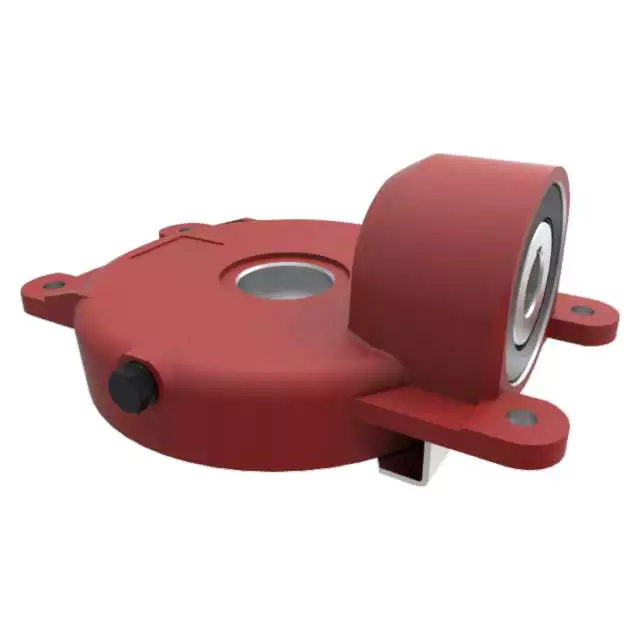
Lubrication Practices for Extending the Lifespan of Agricultural Gearboxes
Proper lubrication is essential for ensuring the longevity and optimal performance of agricultural gearboxes. Here are some essential lubrication practices that can help extend the lifespan of these gearboxes:
- Choose the Right Lubricant: Select a high-quality lubricant specifically designed for gearboxes and agricultural machinery. Consider factors such as viscosity, temperature range, and load-bearing capacity to ensure compatibility with the gearbox’s operating conditions.
- Regular Inspection: Perform regular visual inspections of the gearbox and lubricant to check for signs of contamination, wear, or inadequate lubrication. Address any issues promptly to prevent further damage.
- Cleanliness: Maintain a clean environment around the gearbox to minimize the risk of dirt, debris, and moisture entering the gearbox housing. Contaminants can compromise the lubricant’s effectiveness and accelerate wear.
- Lubricant Level: Monitor and maintain the proper lubricant level in the gearbox. Insufficient lubrication can lead to increased friction and heat, causing premature wear and potential damage to gears and bearings.
- Replace Lubricant: Follow the manufacturer’s recommendations for lubricant change intervals. Over time, lubricants can degrade, lose their properties, and become contaminated. Regularly replacing the lubricant helps ensure optimal performance.
- Use Lubrication Schedule: Create a lubrication schedule based on the gearbox’s usage and operating conditions. Stick to the recommended intervals for applying or changing lubricant to prevent under-lubrication or over-lubrication.
- Appropriate Lubrication Method: Follow the manufacturer’s guidelines for the correct lubrication method, whether it’s through oil bath, grease, or automatic lubrication systems. Proper application ensures even distribution of lubricant across gear surfaces.
- Temperature Considerations: Be aware of temperature variations in your operating environment. Extreme temperatures can affect lubricant viscosity and performance. Choose a lubricant that can handle the temperature range of your equipment.
- Expert Advice: Consult the gearbox manufacturer or a lubrication specialist to determine the best lubrication practices for your specific agricultural gearbox model and application.
By adhering to these lubrication practices, farmers can maximize the lifespan of their agricultural gearboxes, minimize downtime, and ensure efficient and reliable operation of their equipment.
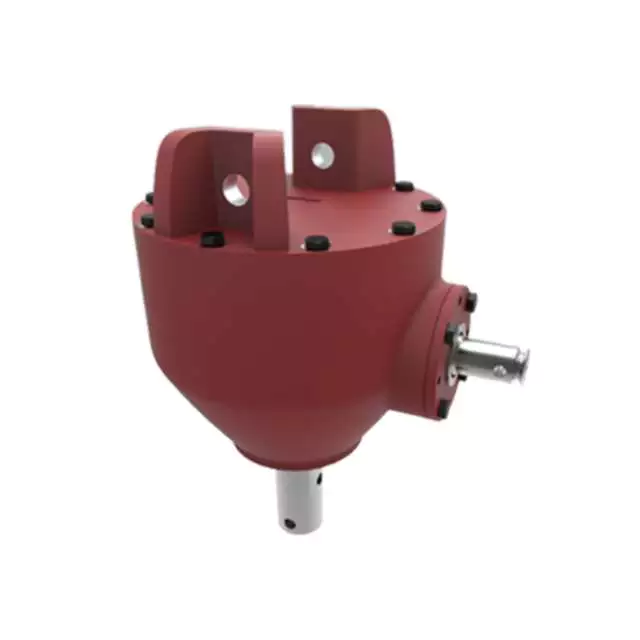
Potential Challenges in Maintenance and Repairs of Agricultural Gearboxes
Maintenance and repairs of gearboxes in agriculture can pose several challenges:
- Harsh Environments: Agricultural machinery operates in challenging environments with exposure to dirt, debris, moisture, and varying temperatures. These conditions can accelerate wear and corrosion, necessitating frequent maintenance.
- Heavy Workloads: Gearboxes in farming equipment often handle heavy workloads, leading to increased stress on components. This can result in faster wear and tear, requiring more frequent inspections and part replacements.
- Accessibility: Some gearboxes are located in hard-to-reach areas of machinery. This makes regular maintenance and repairs more challenging, as technicians may need specialized tools and equipment to access and service the gearboxes.
- Specialized Knowledge: Proper maintenance of agricultural gearboxes requires specialized knowledge and skills. Inadequate understanding of gearbox mechanics and maintenance practices can lead to improper repairs, reducing the gearbox’s lifespan and efficiency.
- Costs: Repairing or replacing gearbox components can be costly, especially for heavy-duty agricultural machinery. Farmers need to consider both the direct costs of parts and labor, as well as potential downtime during repair processes.
- Downtime: The downtime required for gearbox maintenance or repairs can impact farming operations, especially during critical planting or harvesting seasons. Efficient scheduling and backup equipment can help mitigate this challenge.
- Availability of Parts: Obtaining replacement parts for older or less common gearbox models can be challenging. Farmers may need to source parts from specialized suppliers, leading to potential delays in repairs.
Addressing these challenges requires proactive maintenance planning, regular inspections, proper training of maintenance personnel, and sourcing spare parts in advance.
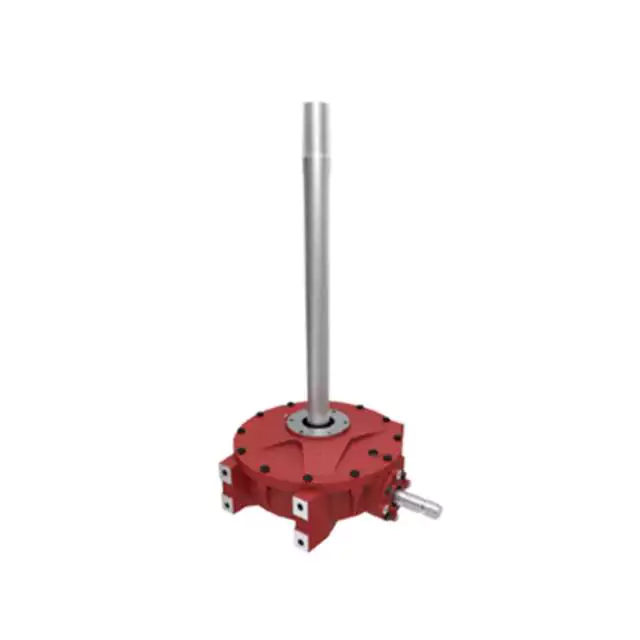
Tipos de caixas de engrenagens agrícolas para tarefas específicas
Existem diversos tipos de caixas de engrenagens agrícolas projetadas para atender a tarefas e aplicações específicas na agricultura. Essas caixas de engrenagens são fabricadas para atender aos requisitos exclusivos de diferentes máquinas e operações agrícolas. Alguns tipos comuns de caixas de engrenagens agrícolas incluem:
- Caixas de engrenagens para cortadores de grama rotativos: Essas caixas de engrenagens são usadas em cortadores e roçadeiras rotativas. Elas transmitem a potência da tomada de força (TDF) do trator para as lâminas, permitindo o corte eficiente de grama, plantações e vegetação.
- Caixas de engrenagens para espalhadores de esterco: Os distribuidores de estrume utilizam caixas de engrenagens especializadas para distribuir o estrume uniformemente nos campos. Essas caixas de engrenagens garantem a distribuição consistente do fertilizante, mesmo com cargas variáveis.
- Colheita de caixas de engrenagens: As caixas de engrenagens utilizadas em equipamentos de colheita, como colheitadeiras e ceifadeiras, permitem a coleta, debulha e separação eficientes das culturas de seus talos. Essas caixas de engrenagens suportam cargas elevadas e condições operacionais variáveis.
- Caixas de engrenagens para semeadoras: As semeadoras requerem caixas de engrenagens para distribuir as sementes com precisão e em intervalos consistentes. Essas caixas de engrenagens garantem a colocação precisa das sementes para uma germinação ideal e o crescimento adequado da cultura.
- Caixas de engrenagens para ancinhos de feno: Os ancinhos de feno utilizam caixas de engrenagens para juntar e organizar o feno em leiras para enfardamento. Essas caixas de engrenagens ajudam a otimizar o processo de coleta do feno.
- Caixas de engrenagens para sistemas de irrigação: Os sistemas de irrigação agrícola podem utilizar caixas de engrenagens para controlar o movimento e o posicionamento dos equipamentos de irrigação, garantindo uma distribuição eficiente da água nos campos.
- Caixas de engrenagens para equipamentos de lavoura: Gearboxes used in tillage equipment, such as plows and cultivators, help break up soil, prepare seedbeds, and promote seedling emergence.
- Caixas de câmbio de tratores: Os tratores podem incorporar diversas caixas de câmbio para tarefas como troca de marchas, acionamento da tomada de força e operação de implementos.
- Caixas de engrenagens para roscas transportadoras de grãos: Os transportadores de grãos utilizam caixas de engrenagens para facilitar o deslocamento dos grãos colhidos de um local para outro, como, por exemplo, de uma colheitadeira para um silo de armazenamento.
Cada tipo de caixa de engrenagens agrícola é projetada com características específicas, capacidades de carga e durabilidade para atender às demandas da tarefa a que se destina. Os fabricantes projetam essas caixas de engrenagens para suportar as condições desafiadoras das operações agrícolas, garantindo, ao mesmo tempo, um desempenho eficiente e confiável.


editor by CX 2024-01-30