
Descrizione del prodotto
Descrizione del prodotto
Parametri del prodotto
| ARTICOLO | Rapporto | Denti | Modulo | Power(HP) | Input di valutazione | Input/output description | Peso (NW) |
| LF205 | 1:1.92 | 12/23 | 5 | 30 | 540 giri al minuto | 1 3/8 Z6 Cone base aequilate spline |
17kg |
Prodotti correlati
Profilo Aziendale
ZheJiang Grande Machinery Manufacturing Co.; Ltd. focuses on paddy field stubble tillage rotary tiller and related implements. currently our products have been sold to Africa, South America, Europe, etc. Our company has 30 employees, 1000 square CHINAMFG of office area and 7000 square CHINAMFG of warehouse, Adhering to the principle of customer first, in order to supply better technical support and after-sales service, the company had established a technical department and after-sales service department in 2018.
ZheJiang Grande Machinery Manufacturing Co.; Ltd. to provide customers with professional paddy field operation machinery products.
FAQ
FAQ
1. What’s the MOQ?
MOQ is 1 20GP, around 10 sets.
2. What’s the after sales?
Our products’ warranty is for 12 months. after that, we can still supply thel spare parts.
3. What’s your lead time?
usually within 20 work days.
4. Are you interested in dealership with local company?
Yes, we are quite interested in this business. We’d like to cooperate with some local partner to sell more machines in local market and supply better service.
5. What’s your Payment terms?
30% payment in advance by TT, 70% balance before delivery.
| Applicazione: | Macchinari, Macchine agricole |
|---|---|
| Funzione: | Change Drive Torque, Change Drive Direction, Speed Changing |
| Disposizione: | Coassiale |
| Durezza: | Superficie del dente indurita |
| Installazione: | Tipo orizzontale |
| Fare un passo: | Tre fasi |
| Personalizzazione: |
Disponibile
| Richiesta personalizzata |
|---|
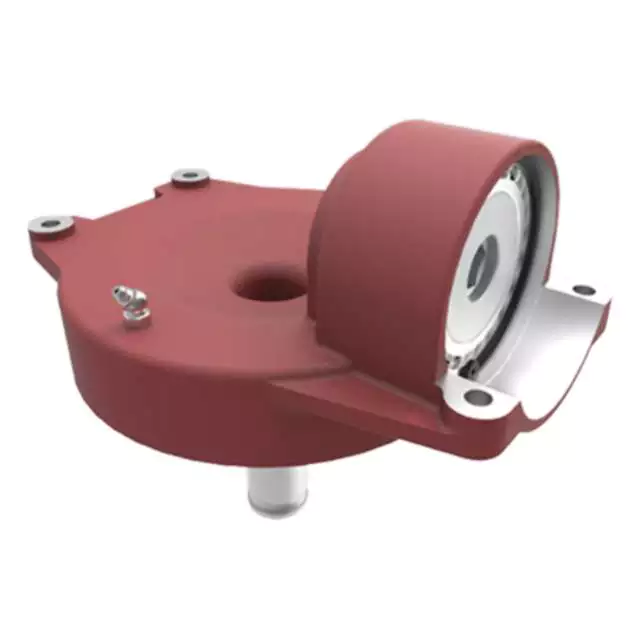
Impact of Gear Ratios on Machinery Performance in Agricultural Gearboxes
The gear ratio in agricultural gearboxes plays a crucial role in determining the performance of machinery. It directly affects the relationship between the input and output speeds and torques. Here’s how gear ratios influence machinery performance:
- Speed and Torque Conversion: Gear ratios allow for the conversion of speed and torque between the input and output shafts. Higher gear ratios can reduce output speed while increasing output torque, making it suitable for tasks requiring high power.
- Power and Efficiency: Gear ratios affect the efficiency of power transmission. While reducing the speed through higher gear ratios can increase torque, it’s essential to strike a balance to maintain efficiency. Lower efficiency can lead to energy loss and increased heat generation.
- Task Adaptability: Different agricultural tasks require varying levels of torque and speed. Gear ratios enable machinery to be adaptable to different tasks by providing the necessary torque for heavy-duty activities like plowing or tilling and higher speeds for tasks like transport.
- Optimal Performance: Selecting the appropriate gear ratio ensures that machinery operates within its optimal performance range. It prevents overloading the engine or the gearbox, contributing to smoother operation and reduced wear and tear.
- Productivity and Fuel Efficiency: Proper gear ratios can enhance the overall productivity of agricultural machinery. By optimizing torque and speed, tasks can be completed efficiently, reducing the time and fuel consumption required for operations.
- Consideration of Terrain: Different terrains and field conditions require adjustments in gear ratios. Steep slopes or heavy soil may necessitate lower gear ratios for increased torque, while flat terrain could benefit from higher ratios for faster operation.
- Impact on Components: Gear ratios can influence the load distribution on gearbox components. Higher gear ratios might subject components to increased forces and stresses, potentially affecting their lifespan.
- Operator Comfort: Proper gear ratios contribute to operator comfort by providing the necessary power for smooth operation without straining the machinery. This can lead to reduced operator fatigue and improved safety.
- Personalizzazione: Some modern agricultural equipment offers adjustable or variable gear ratios, allowing operators to fine-tune machinery performance based on specific tasks and conditions.
Choosing the right gear ratio for agricultural gearboxes involves considering factors such as the intended task, soil conditions, and equipment specifications. It’s essential to strike a balance between torque and speed to achieve optimal machinery performance and maximize productivity.
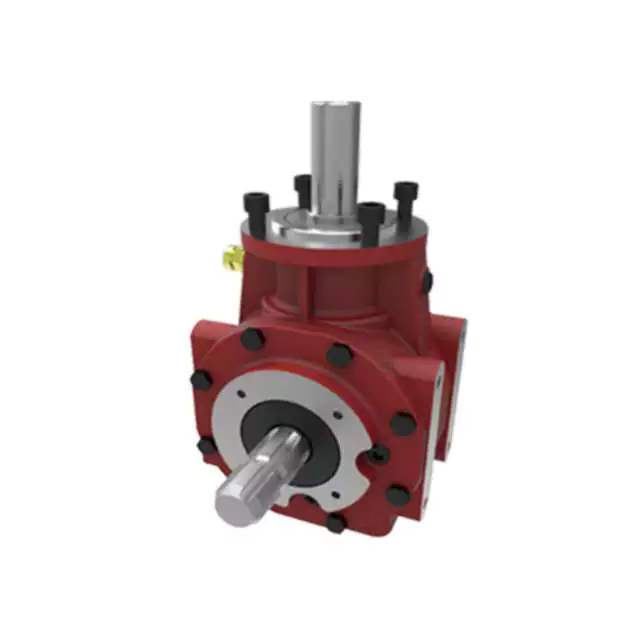
Specific Safety Precautions for Agricultural Gearbox Operation
Operating agricultural machinery with gearboxes requires careful attention to safety to prevent accidents and ensure the well-being of operators and bystanders. Here are some specific safety precautions associated with agricultural gearbox operation:
- Read the Manual: Familiarize yourself with the manufacturer’s manual for the specific gearbox and machinery. It provides valuable information about proper operation, maintenance, and safety guidelines.
- Proper Training: Ensure that operators are trained in the safe operation of the machinery, including how to engage and disengage the gearbox, adjust speeds, and handle emergencies.
- Protective Gear: Operators should wear appropriate protective gear, such as helmets, gloves, safety goggles, and sturdy footwear, to reduce the risk of injury from debris, moving parts, or other hazards.
- Clear Workspace: Before operating the machinery, clear the area of obstacles, debris, and bystanders. Ensure a safe distance between the machinery and people.
- Secure Attachments: If the gearbox is used in conjunction with attachments, ensure that they are properly secured and mounted according to manufacturer guidelines to prevent detachment during operation.
- Engage Safely: Engage the gearbox and start the machinery only after ensuring that all personnel are at a safe distance and that the machinery is on stable ground.
- Avoid Loose Clothing: Operators should avoid wearing loose clothing or accessories that could get caught in moving parts.
- Emergency Stops: Familiarize yourself with the location of emergency stop buttons and switches on the machinery and be prepared to use them if needed.
- Regular Maintenance: Perform routine maintenance checks on the gearbox and machinery to ensure that all components are in proper working condition. Replace worn parts and lubricate components as recommended by the manufacturer.
- Shut Down Properly: When finishing a task, disengage the gearbox, shut off the machinery, and engage any safety locks to prevent accidental starts.
Following these safety precautions can greatly reduce the risk of accidents and injuries when operating agricultural machinery with gearboxes. Always prioritize safety to create a secure working environment for everyone involved.
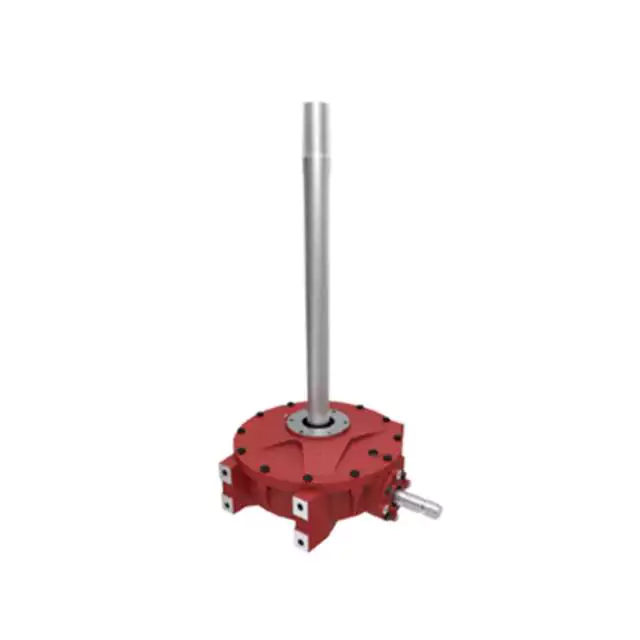
Tipologie di riduttori agricoli per compiti specifici
Esistono diverse tipologie di riduttori agricoli, progettati per soddisfare compiti e applicazioni specifici in agricoltura. Questi riduttori sono realizzati per rispondere alle esigenze particolari di diverse macchine e operazioni agricole. Alcuni tipi comuni di riduttori agricoli includono:
- Riduttori per tosaerba rotativi: Questi riduttori vengono utilizzati nelle falciatrici e nelle trinciatrici rotative. Trasmettono la potenza dalla presa di forza (PTO) del trattore alle lame, consentendo un taglio efficiente di erba, colture e vegetazione.
- Riduttori per spandiconcime: Gli spandiconcime utilizzano riduttori specializzati per distribuire il letame in modo uniforme sui campi. Questi riduttori garantiscono una distribuzione omogenea del fertilizzante, adattandosi al contempo a carichi variabili.
- Riduttori per la raccolta: I riduttori utilizzati nelle macchine agricole, come mietitrebbie e raccoglitrici, consentono una raccolta, una trebbiatura e una separazione efficienti dei prodotti agricoli dai loro steli. Questi riduttori sono in grado di gestire carichi elevati e condizioni operative variabili.
- Riduttori per seminatrici: Le seminatrici necessitano di riduttori per distribuire i semi in modo preciso e a intervalli regolari. Questi riduttori garantiscono un posizionamento preciso dei semi per una germinazione e una crescita ottimali delle colture.
- Riduttori per rastrelli per fieno: I rastrelli per fieno utilizzano riduttori per raccogliere e disporre il fieno in andane pronte per la pressatura. Questi riduttori contribuiscono a ottimizzare il processo di raccolta del fieno.
- Riduttori per impianti di irrigazione: I sistemi di irrigazione agricola possono utilizzare riduttori per controllare il movimento e il posizionamento delle attrezzature di irrigazione, garantendo un'efficiente distribuzione dell'acqua sui campi.
- Riduttori per attrezzature di lavorazione del terreno: I riduttori utilizzati nelle macchine agricole, come aratri e coltivatori, contribuiscono a rompere il terreno, a preparare i letti di semina e a favorire la germinazione delle piantine.
- Riduttori per trattori: I trattori possono essere dotati di vari tipi di cambio per svolgere funzioni quali il cambio di marcia, l'azionamento della presa di forza e il funzionamento degli accessori.
- Riduttori per coclee di grano: Le coclee per cereali utilizzano riduttori per facilitare il trasporto del grano raccolto da un luogo all'altro, ad esempio da una mietitrebbia a un silo di stoccaggio.
Ogni tipo di riduttore agricolo è progettato con caratteristiche, capacità di carico e durata specifiche per soddisfare le esigenze del suo utilizzo previsto. I produttori progettano questi riduttori per resistere alle difficili condizioni delle operazioni agricole, garantendo al contempo prestazioni efficienti e affidabili.


editor by CX 2023-10-25