
Descripción del Producto
Parámetros del producto
|
Applicable Industries |
Manufacturing Plant, Food & Beverage Factory, Farms, Retail, Construction works , Energy & Mining, Advertising Company |
|
Gearing Arrangement |
Helicoidal |
|
Par de salida |
4~17000 |
|
Velocidad de entrada |
750~3500rpm |
|
Velocidad de salida |
0.06~310 |
|
Place of Origin |
China |
|
Brand Name |
HUAKE |
|
Product name |
Caja de cambios |
|
Solicitud |
Machine Tool |
|
Color |
Azul |
|
Relación |
5-100 |
|
Posición de montaje |
Horizontal (foot Mounted) |
|
Material |
Acero |
|
Certificate |
ISO9001 |
|
Garantía |
1 año |
|
Tratamiento térmico |
Quenching |
|
Keyword |
Caja de cambios |
Descripción del Producto
Characteristics
1.The gear is made of high strength low carbon alloy steel through carburization and quenching. The hardness of tooth surface may
reach to HRC58-62. All gear adapts NC tooth grinding process, high in accuracy and good in contactperformance;
2.High in transmission efficiency: single stage, more than 96.5%; double-stage, more than 93%; three-stage, more than 90%;
3.Smooth and stable in run, low noise;
4.Compact, light, long life, high bearing capacity;
5.Easy to disassemble, inspect and assemble.
1.The gear is made of high strength low carbon alloy steel through carburization and quenching. The hardness of tooth surface may reach to HRC58-62. All gear adapts NC tooth grinding process, high in accuracy and good in contact performance
2.High in transmission efficiency: single stage, more than 96.5%; double-stage, more than 93%; three-stage, more 90%;
3.Smooth and stable in run, low noise;
4.Compact, light, long life, high bearing capacity;
5.Easy to disassemble, inspect and assemble.
Fotos detalladas
Embalaje y envío
Perfil de la empresa
| Solicitud: | Motor, Electric Cars, Motorcycle, Machinery, Marine, Toy, Agricultural Machinery, Car, Power Transmission |
|---|---|
| Función: | Distribución de potencia, embrague, cambio de par de transmisión, cambio de dirección de transmisión, cambio de velocidad, reducción de velocidad, aumento de velocidad |
| Disposición: | Cycloidal |
| Tipo: | Planetary Gear Box |
| Customized Support: | OEM, ODM |
| Sectores aplicables: | Hotels, Garment Shops, Building Material Shops, Ma |
| Muestras: |
US$ 100/Piece
1 unidad (pedido mínimo) | |
|---|
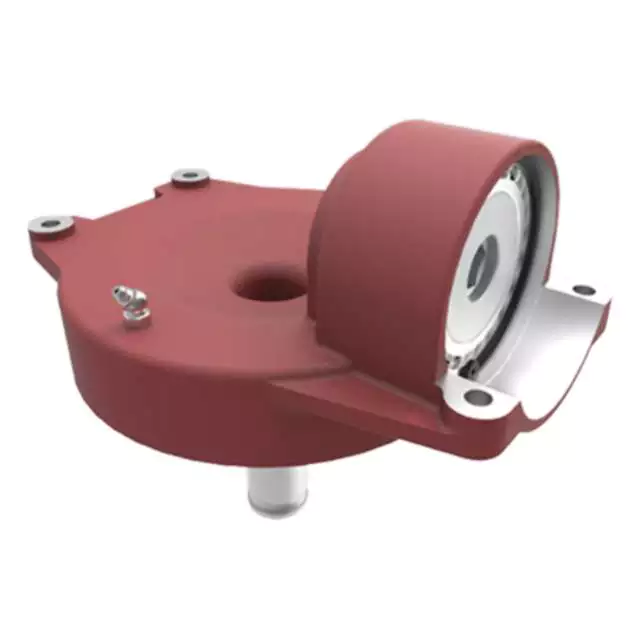
Impact of Gear Ratios on Machinery Performance in Agricultural Gearboxes
The gear ratio in agricultural gearboxes plays a crucial role in determining the performance of machinery. It directly affects the relationship between the input and output speeds and torques. Here’s how gear ratios influence machinery performance:
- Speed and Torque Conversion: Gear ratios allow for the conversion of speed and torque between the input and output shafts. Higher gear ratios can reduce output speed while increasing output torque, making it suitable for tasks requiring high power.
- Power and Efficiency: Gear ratios affect the efficiency of power transmission. While reducing the speed through higher gear ratios can increase torque, it’s essential to strike a balance to maintain efficiency. Lower efficiency can lead to energy loss and increased heat generation.
- Task Adaptability: Different agricultural tasks require varying levels of torque and speed. Gear ratios enable machinery to be adaptable to different tasks by providing the necessary torque for heavy-duty activities like plowing or tilling and higher speeds for tasks like transport.
- Optimal Performance: Selecting the appropriate gear ratio ensures that machinery operates within its optimal performance range. It prevents overloading the engine or the gearbox, contributing to smoother operation and reduced wear and tear.
- Productivity and Fuel Efficiency: Proper gear ratios can enhance the overall productivity of agricultural machinery. By optimizing torque and speed, tasks can be completed efficiently, reducing the time and fuel consumption required for operations.
- Consideration of Terrain: Different terrains and field conditions require adjustments in gear ratios. Steep slopes or heavy soil may necessitate lower gear ratios for increased torque, while flat terrain could benefit from higher ratios for faster operation.
- Impact on Components: Gear ratios can influence the load distribution on gearbox components. Higher gear ratios might subject components to increased forces and stresses, potentially affecting their lifespan.
- Operator Comfort: Proper gear ratios contribute to operator comfort by providing the necessary power for smooth operation without straining the machinery. This can lead to reduced operator fatigue and improved safety.
- Personalización: Some modern agricultural equipment offers adjustable or variable gear ratios, allowing operators to fine-tune machinery performance based on specific tasks and conditions.
Choosing the right gear ratio for agricultural gearboxes involves considering factors such as the intended task, soil conditions, and equipment specifications. It’s essential to strike a balance between torque and speed to achieve optimal machinery performance and maximize productivity.
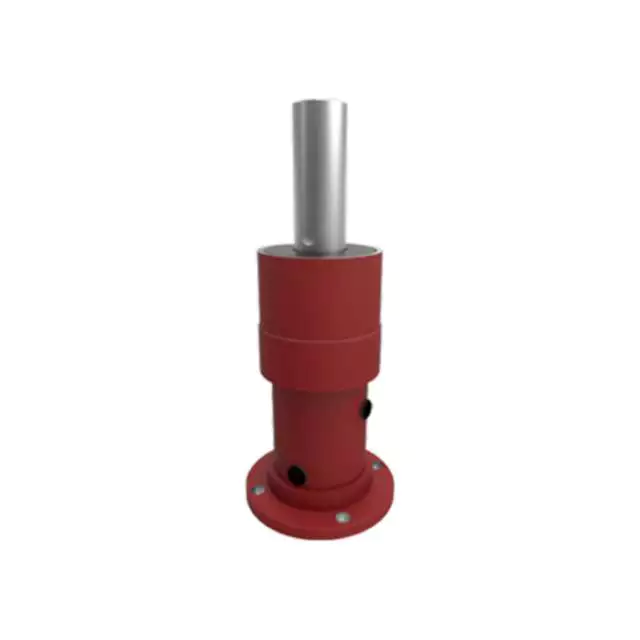
Signos comunes de desgaste de la caja de cambios y sus soluciones.
Las cajas de engranajes, como cualquier componente mecánico, pueden sufrir desgaste con el tiempo debido a factores como la fricción, la carga y las condiciones de funcionamiento. Reconocer los signos comunes de desgaste es fundamental para un mantenimiento oportuno y para evitar posibles averías. A continuación, se presentan algunos signos a tener en cuenta y las soluciones para abordarlos:
- Ruidos inusuales: Los ruidos de fricción, chasquidos o zumbidos durante el funcionamiento pueden indicar desgaste en los engranajes o cojinetes. Inspeccione la caja de engranajes para detectar dientes dañados o lubricación insuficiente. Reemplace los componentes dañados y asegúrese de una lubricación adecuada.
- Aumento de la vibración: Las vibraciones excesivas sugieren una desalineación o desequilibrio en la caja de cambios. Verifique la alineación y equilibre los componentes si es necesario. Asimismo, inspeccione si hay ejes o cojinetes desgastados o dañados.
- Fuga: Las fugas de aceite o lubricante pueden indicar desgaste en los sellos o juntas. Reemplace los sellos y las juntas para evitar fugas y garantizar una lubricación adecuada.
- Engranajes resbaladizos: Si las marchas se salen de su sitio o si hay dificultad para cambiarlas, es posible que los dientes de los engranajes estén desgastados o dañados. Inspeccione los engranajes en busca de signos de desgaste o astillamiento y reemplácelos si es necesario.
- Aumento de temperatura: La generación anormal de calor puede deberse a una mayor fricción causada por piezas desgastadas. Verifique los niveles y la calidad de la lubricación y reemplace los cojinetes o engranajes desgastados que provoquen una fricción excesiva.
- Disminución del rendimiento: La reducción de la transmisión de potencia o de la eficiencia de salida puede indicar desgaste en la caja de cambios. Inspeccione los engranajes, los cojinetes y demás componentes en busca de signos de desgaste y reemplácelos si es necesario.
- Juego excesivo: Un juego excesivo o holgura en los engranajes puede indicar desgaste en los dientes o en los cojinetes. Inspeccione los componentes para detectar desgaste, ajuste la holgura y reemplace las piezas desgastadas.
Para abordar el desgaste de la caja de engranajes, se requiere un mantenimiento rutinario que incluya una lubricación adecuada, comprobaciones de alineación e inspecciones periódicas. El reemplazo oportuno de los componentes desgastados o dañados puede prolongar la vida útil de la caja de engranajes y mantener un rendimiento óptimo en diversas aplicaciones.
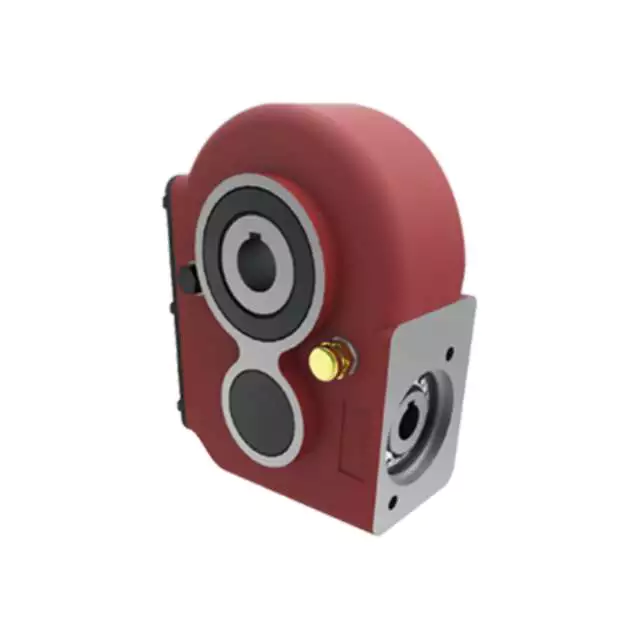
Benefits of Using High-Quality Gearboxes in Agricultural Machinery
Utilizing high-quality gearboxes in agricultural machinery offers several advantages that contribute to enhanced performance, durability, and overall operational efficiency. Here are the key benefits:
- Fiabilidad y durabilidad: High-quality gearboxes are built to withstand the demanding conditions of agricultural operations. They are constructed using durable materials, precise manufacturing techniques, and stringent quality control measures, ensuring a longer lifespan and reduced downtime due to breakdowns.
- Optimal Power Transmission: High-quality gearboxes facilitate efficient power transmission from the tractor’s engine to various implements. They minimize power losses through well-designed gear profiles, accurate alignments, and minimal friction, allowing for more effective utilization of available power.
- Smooth Operation: Gearboxes manufactured to high standards provide smooth and consistent operation. They reduce vibrations, noise, and unnecessary wear, creating a comfortable working environment for the operator and reducing stress on the machinery.
- Precision and Accuracy: Quality gearboxes offer precise control over speed, torque, and direction changes. This precision ensures accurate implementation of farming tasks, such as seeding, planting, and harvesting, leading to better yield outcomes.
- Increased Efficiency: High-quality gearboxes minimize energy losses due to friction and inefficient gear meshing. This improved efficiency results in better fuel economy and optimized power utilization, reducing operating costs for the farmer.
- Compatibility and Adaptability: Top-tier gearboxes are designed to be compatible with a range of agricultural implements and machinery. Their adaptability allows farmers to switch between different tasks without the need for frequent adjustments or component changes.
- Reduced Maintenance Costs: Quality gearboxes require less frequent maintenance and repair. Their robust construction and precision engineering result in fewer breakdowns and extended maintenance intervals, saving both time and money.
- Enhanced Safety: Reliable gearboxes contribute to safer operations by preventing sudden failures that could lead to accidents. The smooth operation and predictable performance of high-quality gearboxes reduce the risk of mishaps during agricultural tasks.
Overall, investing in high-quality gearboxes for agricultural machinery ensures improved reliability, smoother operation, higher precision, increased efficiency, and reduced maintenance costs. These benefits ultimately contribute to enhanced productivity and better outcomes for farmers and agricultural operations.


editor by CX 2023-10-18