
Descripción del Producto
We are a factory specialized in metal parts hardware & metal gearbox geared motor through powder metallurgy process .We services with ODM/OEM gearbox design and development , gearmotors manufacture.
A planetary gearbox is a gearbox with the input shaft and output shaft aligned it offers high torque transmission with good stiffness and low noise , in a more compact foot print than other gearbox types . It can supply a lot of speed reduction and torque in a small package with the fixed axis .
Low-Cost, High-Efficiency Planetary Gear Systems
Planetary gearboxes are especially efficient, they are suitable for continuous, intermittent and alternating operation as well as for clockwise and anticlockwise rotation. Their use results in an increased performance of the entire drive train since the choice of the right gearbox allows for a smaller motor and thereby increases the economic efficiency of the entire drive train.
metal planetary gearboxes are designed for robustness to sustain intermittent or sudden load changes. Depending on the diameter size, these gearboxes can sustain an input speed of up to 20,000 min-1 or an output torque of up to 25 Nm when operating in intermittent cycles. Due to their low backlash characteristic and the resulting high accuracy, the metal planetary gearboxes are also ideally suited for precise positioning applications.planetary gearboxes offer a wide variety of designs suitable for most applications from industrial or mobile business.
Descripción:
Product Name : 20mm planet gearbox with DC brushed motors high torque geared motor / Speed reducer / steel gearbox
Gearbox Type: Planetary
Material: Steel
Gear Ratio : 5:1 , 10:1 , 20:1 , 25:1 , 30:1 , 40:1 , 50:1 , 60:1 ,70:1…100:1… optional
Gearbox diameter : 6mm , 8mm , 12mm , 16mm , 22mm , 24mm ,28mm, 32mm ,36mm, 38mm , 42mm ……
3V , 6V ,12V ,24V available .
Planetary Gearbox advantages:
PM process for custom metal planetary gearbox , geared motors .
The P/M process is an economical, environmentally clean, high production method for making parts exactly to or close to final dimensions. With little or no machining operations required.
At present, parts with a complicated shape, tight-dimensional tolerances, controlled density and properties can be manufactured by powder metallurgy methods. A technological process of powder metallurgy ensures high flexibility in the selection of physiochemical properties and other requirements, including:
- Compact design
- Low weight
- Coaxial input and output shafts
- Higher operational safety
- Higher efficiency
Características:
The highest dynamics in multiple axis systems
Unrivaled price-performance ratio
Low heat generation at highest speeds
For any mounting position
Lifetime lubrication for maintenance-free operation
Precise gearing
Solicitud:
monitor,automatic vending machine,automatic cruise control,door lock actuator, retractable rearview mirror, meters, optic axis control device, head light beam level adjuster,printers,conditioning damper actuator,Car tail gate electric putter,tooth brush,vibrator, sanitary ware,coffee machine,Sweeping robot,etc.
A planetary gear set is made up of 3 types of gears , a sun gear , planet gears and a ring gear . The sun gear at high speed is located at the center of the gears , and transmits torque to the planet gears which are typically mounted on the moveable carrier .The planet gears around the central axis rotation ,mesh with the sun gear and an outer ring gear . As all the planet carriers turns , it delivers low-speed, high-torque output .
Workshop
| Solicitud: | Motor, coches eléctricos, motocicleta, maquinaria, sector náutico, juguetes, maquinaria agrícola, coche |
|---|---|
| Dureza: | Superficie dentada endurecida |
| Instalación: | Tipo vertical |
| Disposición: | Coaxial |
| Forma del engranaje: | Cylindrical Gear |
| Paso: | Tres pasos |
| Muestras: |
US$ 2/Piece
1 unidad (pedido mínimo) | |
|---|
| Personalización: |
Disponible
| Solicitud personalizada |
|---|
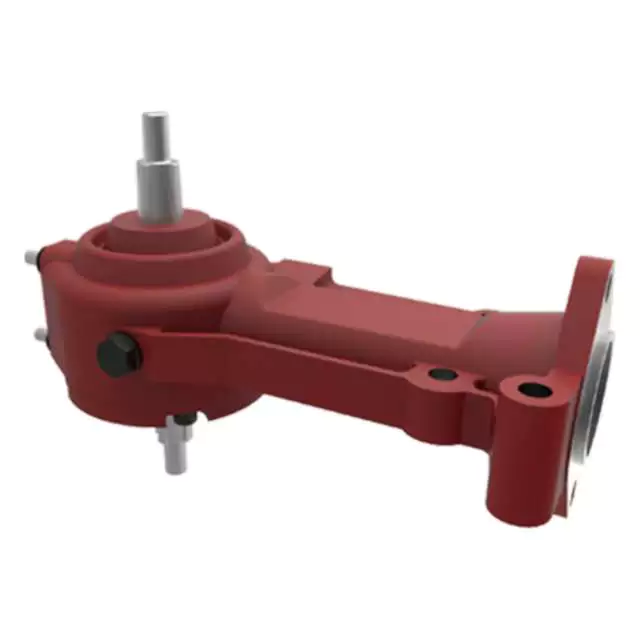
Considerations for Heavy-Duty Farming Gearboxes
Heavy-duty farming applications require robust and reliable gearboxes that can withstand high loads, harsh conditions, and frequent use. Here are the key considerations for selecting gearboxes for heavy-duty farming:
- Load Capacity: Heavy-duty gearboxes must have a high load-carrying capacity to handle the demands of agricultural machinery, such as tillers, plows, and combines.
- Material Durability: Gearboxes should be constructed from durable materials, such as hardened steel or cast iron, that can withstand the stresses and impacts associated with heavy-duty tasks.
- Sealing and Protection: Effective sealing and protection mechanisms, such as robust seals and gaskets, prevent the ingress of dirt, water, and contaminants that can cause premature wear and damage.
- Lubrication System: A reliable and efficient lubrication system is crucial for heavy-duty gearboxes to ensure proper lubrication of components under high loads and temperatures.
- Heat Dissipation: Heavy-duty applications generate significant heat. Gearboxes should have efficient heat dissipation mechanisms, such as cooling fins or oil coolers, to prevent overheating and maintain performance.
- Design and Construction: Gearbox design should incorporate reinforced housing, larger bearings, and robust gears to handle heavy loads without compromising structural integrity.
- Alignment and Mounting: Proper alignment and mounting are essential to ensure smooth and efficient power transmission. Misalignment can lead to increased wear and reduced gearbox lifespan.
- Maintenance Accessibility: Heavy-duty gearboxes should be designed for easy maintenance access. Features such as removable covers and inspection points simplify servicing and repairs.
- Compatibility: Gearboxes should be compatible with the specific machinery and tasks they will be used for. Customizable gear ratios and output shaft configurations enhance versatility.
- Reliability and Longevity: Heavy-duty gearboxes should be built to last, with quality craftsmanship and components that can withstand the demanding conditions of agricultural operations.
- Safety: Safety features, such as guards and emergency shutdown mechanisms, are essential to protect operators and nearby personnel from potential hazards.
- Environmental Considerations: Gearbox designs should consider environmental regulations and emissions standards to minimize the impact on the environment.
- Cost-Effectiveness: While heavy-duty gearboxes require a higher upfront investment, their durability and performance contribute to long-term cost-effectiveness by reducing downtime and the need for frequent replacements.
By carefully considering these factors, farmers can select the appropriate heavy-duty gearboxes that enhance productivity and reliability in their farming operations.
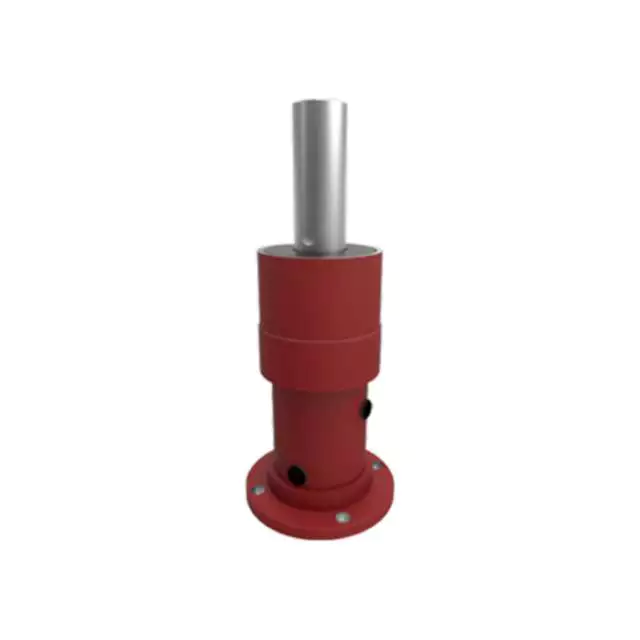
Signos comunes de desgaste de la caja de cambios y sus soluciones.
Las cajas de engranajes, como cualquier componente mecánico, pueden sufrir desgaste con el tiempo debido a factores como la fricción, la carga y las condiciones de funcionamiento. Reconocer los signos comunes de desgaste es fundamental para un mantenimiento oportuno y para evitar posibles averías. A continuación, se presentan algunos signos a tener en cuenta y las soluciones para abordarlos:
- Ruidos inusuales: Los ruidos de fricción, chasquidos o zumbidos durante el funcionamiento pueden indicar desgaste en los engranajes o cojinetes. Inspeccione la caja de engranajes para detectar dientes dañados o lubricación insuficiente. Reemplace los componentes dañados y asegúrese de una lubricación adecuada.
- Aumento de la vibración: Las vibraciones excesivas sugieren una desalineación o desequilibrio en la caja de cambios. Verifique la alineación y equilibre los componentes si es necesario. Asimismo, inspeccione si hay ejes o cojinetes desgastados o dañados.
- Fuga: Las fugas de aceite o lubricante pueden indicar desgaste en los sellos o juntas. Reemplace los sellos y las juntas para evitar fugas y garantizar una lubricación adecuada.
- Engranajes resbaladizos: Si las marchas se salen de su sitio o si hay dificultad para cambiarlas, es posible que los dientes de los engranajes estén desgastados o dañados. Inspeccione los engranajes en busca de signos de desgaste o astillamiento y reemplácelos si es necesario.
- Aumento de temperatura: La generación anormal de calor puede deberse a una mayor fricción causada por piezas desgastadas. Verifique los niveles y la calidad de la lubricación y reemplace los cojinetes o engranajes desgastados que provoquen una fricción excesiva.
- Disminución del rendimiento: La reducción de la transmisión de potencia o de la eficiencia de salida puede indicar desgaste en la caja de cambios. Inspeccione los engranajes, los cojinetes y demás componentes en busca de signos de desgaste y reemplácelos si es necesario.
- Juego excesivo: Un juego excesivo o holgura en los engranajes puede indicar desgaste en los dientes o en los cojinetes. Inspeccione los componentes para detectar desgaste, ajuste la holgura y reemplace las piezas desgastadas.
Para abordar el desgaste de la caja de engranajes, se requiere un mantenimiento rutinario que incluya una lubricación adecuada, comprobaciones de alineación e inspecciones periódicas. El reemplazo oportuno de los componentes desgastados o dañados puede prolongar la vida útil de la caja de engranajes y mantener un rendimiento óptimo en diversas aplicaciones.
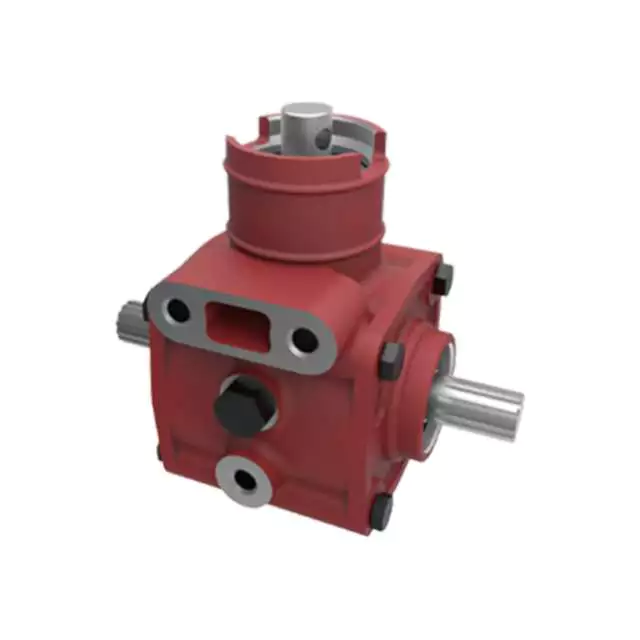
Función de las cajas de cambios agrícolas en la maquinaria agrícola
Una caja de cambios agrícola es un tipo especializado de caja de cambios que se utiliza en diversas máquinas y equipos agrícolas. Desempeña un papel crucial en el correcto funcionamiento de la maquinaria agrícola al transmitir la potencia y el par motor desde el motor a los diferentes componentes que realizan tareas específicas en el campo.
Las cajas de engranajes agrícolas están diseñadas para soportar las exigentes condiciones de las labores agrícolas, incluyendo la exposición al polvo, la suciedad, la humedad y las cargas pesadas. Se utilizan habitualmente en una amplia gama de maquinaria agrícola, como tractores, cosechadoras, cultivadoras, pulverizadoras y más.
Las funciones principales de las cajas de cambios agrícolas incluyen:
- Transmisión de potencia: Las cajas de engranajes agrícolas transmiten la potencia del motor a diversos componentes, como ruedas, cuchillas y correas, permitiéndoles realizar sus respectivas tareas.
- Control de velocidad: Las cajas de engranajes permiten a los operadores controlar la velocidad y el par motor de la maquinaria agrícola. Las diferentes tareas requieren distintas velocidades y niveles de par, y las cajas de engranajes proporcionan los ajustes necesarios.
- Cambio de dirección: Muchas operaciones agrícolas requieren cambiar el sentido de giro. Las cajas de engranajes permiten cambios de dirección suaves y eficientes sin necesidad de complejos sistemas mecánicos.
- Adaptación a las tareas: Las cajas de engranajes agrícolas están equipadas con diversos engranajes y ejes que se pueden configurar para adaptarse a las necesidades de tareas específicas, como arar, sembrar, cosechar, etc.
Estas cajas de engranajes se presentan en diferentes configuraciones, como engranajes rectos, helicoidales y planetarios, según la aplicación y los requisitos específicos. La elección del tipo de caja de engranajes, la relación de transmisión y los factores de diseño influyen en el rendimiento, la eficiencia y la durabilidad generales de la maquinaria agrícola.
El mantenimiento y la lubricación regulares son esenciales para garantizar la durabilidad y el funcionamiento fiable de las cajas de engranajes agrícolas. Un cuidado y mantenimiento adecuados ayudan a prevenir el desgaste prematuro y los daños, asegurando que la maquinaria funcione de forma óptima durante todas las temporadas de cultivo.


editor by CX 2023-09-06