
Descripción del Producto
Relate recommend ?
Planetary gearbox : size 242 and custom size within 1 stage, 2 stage, 3 stage.
Ac servo motor :Delta, Yasakawa,Panasonic, Mistubishi and economic type
PLC: CHINAMFG semensis Mistubishi and etc
Linear Components: HIWIN, TBI, PMI, ABBA, THK, CPC , and economic type.
Big Size ZPT170 1:1 Direction Change Robot Gearbox
-Planetary gearbox is a widely used industrial product, which can reduce the speed of motor and increase the output torque. Planetary reducer can be used as supporting parts in lifting, excavation, transportation, construction and other industries.
-Stage Ratio :1:1
-Product picture
-Datasheet
-Company introduction
FOCUS is an automation & drive focused global company, providing global customers with control, display, drive and system solutions & other related products and services, under the support of its excellent electrical and electronic technology as well as strong control technical force.
We provide and develop perfect products and solutions according to different requirement of the industry. Our products have been used and applied successfully in packing, printing, textiles, plastic injection, elevator, machine tool, robot,wood cutting, stone carving, ceramic, glass, paper making industry, crane, fan & pump, new energy resources etc.
FOCUS, your professional electrical partner !
-Payment & Package & Delivery
1,Payment
( T/T , Western union, Paypal , L/C and so on )
2,Pakcage
( Small gearbox use carton package, Big gearbox use wooden box package )
3,Delivery
( By International Express, By Air , By Sea )
| Solicitud: | Motor, maquinaria, maquinaria agrícola |
|---|---|
| Dureza: | Superficie dentada endurecida |
| Instalación: | Tipo vertical |
| Disposición: | Coaxial |
| Forma del engranaje: | Conical – Cylindrical Gear |
| Paso: | 1:1 |
| Personalización: |
Disponible
| Solicitud personalizada |
|---|
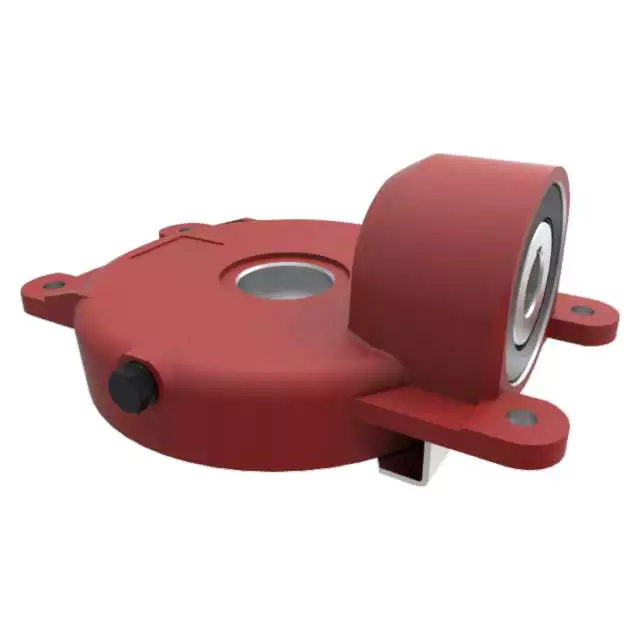
Lubrication Practices for Extending the Lifespan of Agricultural Gearboxes
Proper lubrication is essential for ensuring the longevity and optimal performance of agricultural gearboxes. Here are some essential lubrication practices that can help extend the lifespan of these gearboxes:
- Choose the Right Lubricant: Select a high-quality lubricant specifically designed for gearboxes and agricultural machinery. Consider factors such as viscosity, temperature range, and load-bearing capacity to ensure compatibility with the gearbox’s operating conditions.
- Regular Inspection: Perform regular visual inspections of the gearbox and lubricant to check for signs of contamination, wear, or inadequate lubrication. Address any issues promptly to prevent further damage.
- Cleanliness: Maintain a clean environment around the gearbox to minimize the risk of dirt, debris, and moisture entering the gearbox housing. Contaminants can compromise the lubricant’s effectiveness and accelerate wear.
- Lubricant Level: Monitor and maintain the proper lubricant level in the gearbox. Insufficient lubrication can lead to increased friction and heat, causing premature wear and potential damage to gears and bearings.
- Replace Lubricant: Follow the manufacturer’s recommendations for lubricant change intervals. Over time, lubricants can degrade, lose their properties, and become contaminated. Regularly replacing the lubricant helps ensure optimal performance.
- Use Lubrication Schedule: Create a lubrication schedule based on the gearbox’s usage and operating conditions. Stick to the recommended intervals for applying or changing lubricant to prevent under-lubrication or over-lubrication.
- Appropriate Lubrication Method: Follow the manufacturer’s guidelines for the correct lubrication method, whether it’s through oil bath, grease, or automatic lubrication systems. Proper application ensures even distribution of lubricant across gear surfaces.
- Temperature Considerations: Be aware of temperature variations in your operating environment. Extreme temperatures can affect lubricant viscosity and performance. Choose a lubricant that can handle the temperature range of your equipment.
- Expert Advice: Consult the gearbox manufacturer or a lubrication specialist to determine the best lubrication practices for your specific agricultural gearbox model and application.
By adhering to these lubrication practices, farmers can maximize the lifespan of their agricultural gearboxes, minimize downtime, and ensure efficient and reliable operation of their equipment.
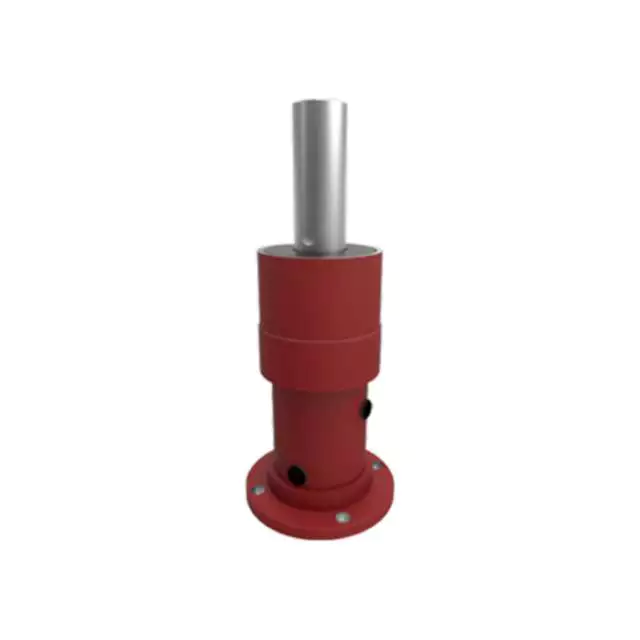
Signos comunes de desgaste de la caja de cambios y sus soluciones.
Las cajas de engranajes, como cualquier componente mecánico, pueden sufrir desgaste con el tiempo debido a factores como la fricción, la carga y las condiciones de funcionamiento. Reconocer los signos comunes de desgaste es fundamental para un mantenimiento oportuno y para evitar posibles averías. A continuación, se presentan algunos signos a tener en cuenta y las soluciones para abordarlos:
- Ruidos inusuales: Los ruidos de fricción, chasquidos o zumbidos durante el funcionamiento pueden indicar desgaste en los engranajes o cojinetes. Inspeccione la caja de engranajes para detectar dientes dañados o lubricación insuficiente. Reemplace los componentes dañados y asegúrese de una lubricación adecuada.
- Aumento de la vibración: Las vibraciones excesivas sugieren una desalineación o desequilibrio en la caja de cambios. Verifique la alineación y equilibre los componentes si es necesario. Asimismo, inspeccione si hay ejes o cojinetes desgastados o dañados.
- Fuga: Las fugas de aceite o lubricante pueden indicar desgaste en los sellos o juntas. Reemplace los sellos y las juntas para evitar fugas y garantizar una lubricación adecuada.
- Engranajes resbaladizos: Si las marchas se salen de su sitio o si hay dificultad para cambiarlas, es posible que los dientes de los engranajes estén desgastados o dañados. Inspeccione los engranajes en busca de signos de desgaste o astillamiento y reemplácelos si es necesario.
- Aumento de temperatura: La generación anormal de calor puede deberse a una mayor fricción causada por piezas desgastadas. Verifique los niveles y la calidad de la lubricación y reemplace los cojinetes o engranajes desgastados que provoquen una fricción excesiva.
- Disminución del rendimiento: La reducción de la transmisión de potencia o de la eficiencia de salida puede indicar desgaste en la caja de cambios. Inspeccione los engranajes, los cojinetes y demás componentes en busca de signos de desgaste y reemplácelos si es necesario.
- Juego excesivo: Un juego excesivo o holgura en los engranajes puede indicar desgaste en los dientes o en los cojinetes. Inspeccione los componentes para detectar desgaste, ajuste la holgura y reemplace las piezas desgastadas.
Para abordar el desgaste de la caja de engranajes, se requiere un mantenimiento rutinario que incluya una lubricación adecuada, comprobaciones de alineación e inspecciones periódicas. El reemplazo oportuno de los componentes desgastados o dañados puede prolongar la vida útil de la caja de engranajes y mantener un rendimiento óptimo en diversas aplicaciones.
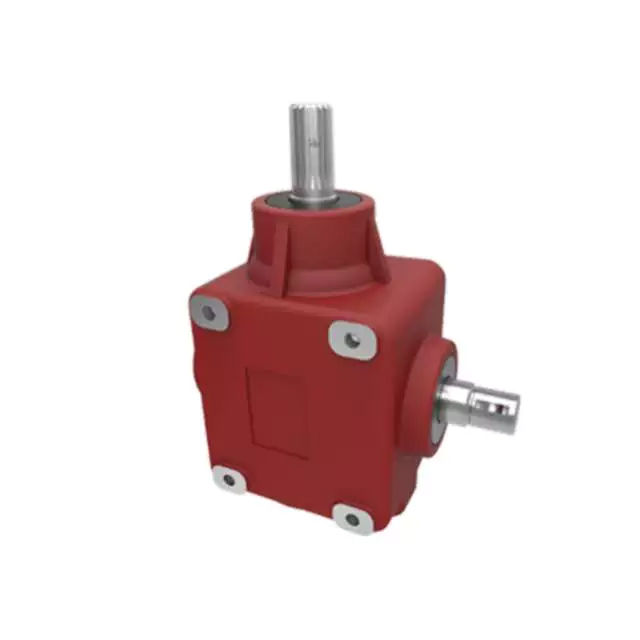
Key Features of a Durable and Reliable Agricultural Gearbox
A durable and reliable agricultural gearbox is crucial for the efficient operation of farming equipment and machinery. The following key features contribute to the durability and reliability of agricultural gearboxes:
- High-Quality Materials: Agricultural gearboxes are often exposed to harsh conditions, including dust, debris, and varying weather. Using high-quality materials, such as strong alloy steels, can enhance the gearbox’s resistance to wear, corrosion, and other forms of deterioration.
- Rugged Construction: The gearbox should have a robust and rugged construction to withstand the stresses and strains associated with agricultural tasks. Reinforced housings, precision machining, and robust seals can help prevent damage and ensure longevity.
- Effective Lubrication System: Proper lubrication is vital to reduce friction, dissipate heat, and prevent premature wear. Agricultural gearboxes should be equipped with efficient lubrication systems that ensure all components are adequately lubricated, even during extended operation.
- Sealing and Protection: Dust, dirt, and moisture are common challenges in agricultural environments. Effective sealing mechanisms, such as gaskets and seals, prevent contaminants from entering the gearbox and protect internal components from damage.
- Heat Dissipation: The gearbox should be designed to dissipate heat effectively, especially during prolonged operation. Overheating can lead to lubrication breakdown and premature wear. Cooling fins and adequate ventilation can help maintain optimal operating temperatures.
- Gear Quality and Precision: High-quality gears with accurate tooth profiles and precision manufacturing ensure smooth and efficient power transmission. Properly machined gears reduce noise, vibration, and the risk of gear failures.
- Advanced Gear Design: Some agricultural gearboxes may feature advanced gear designs, such as helical or planetary gears. These designs offer improved efficiency, reduced noise, and increased load-bearing capacity compared to traditional spur gears.
- Overload Protection: Incorporating overload protection mechanisms, such as shear pins or clutch systems, can prevent damage to the gearbox and other connected components in case of sudden high loads or jams.
- Easy Maintenance Access: The gearbox should be designed with maintenance in mind. Accessible inspection points, drain plugs, and fill ports make it easier for operators to perform routine maintenance tasks.
Manufacturers often engineer agricultural gearboxes to meet these requirements, ensuring that they can withstand the demanding conditions of farming operations and contribute to the reliable performance of agricultural machinery.


editor by CX 2023-10-26