
Descripción del Producto
Descripción del Producto
The HMHG-III series harmonic reducer has a compact structure with a through-hole. The wave generator has a large diameter hollow shaft with cross roller bearings to withstand radial and axial loads. This institution is simple and convenient for users to install customly.
Principle of harmonic gear transmission
The harmonic gear drive was invented by the American inventor C.W.Musser in 1955. It is a new transmission mode using the elastic deformation of flexible working components to carry out movement or power transmission. It breaks through the mode of mechanical transmission using rigid components and uses a flexible component to achieve mechanical transmission. Thus, a series of special functions that are difficult to achieve with other drives are obtained. Because the deformation process of the intermediate flexible component is basically a symmetrical harmonic, it is named. In addition to the Soviet Union called this transmission waveform drive or flexible wheel drive, the United States, Britain, Germany, Japan and other countries are called “harmonic drive”.
Harmonic deceleration principle
The deceleration principle of harmonic gear transmission refers to the use of the relative motion of the flexwheel, rigid wheel and wave generator, mainly the controllable elastic deformation of the flexwheel to achieve motion and power transmission. The elliptic CAM in the wave generator rotates in the flexwheel so that the flexwheel deforms. When the flexwheel teeth and rigid wheel teeth at both ends of the long axis of the elliptic CAM of the wave generator are engaged, the flexwheel teeth at both ends of the short axis are detached from the rigid wheel teeth. The teeth between the long axis and the short axis of the wave generator are in a semi-meshing state that gradually enters the snapping along different sections of the perimeter of the flexwheel and the rigid wheel, which is called the snapping; In a semi-meshing state that gradually withdraws from engagement, it is called snapping out. When the wave generator continuously rotates, the flexwheel constantly deforms, so that the 2 wheel teeth in the biting, meshing, biting out and disengaging 4 kinds of motion constantly change their original working state, resulting in the wrong tooth movement, to achieve the active wave generator to the flexwheel movement transmission.
Parámetros del producto
| Modelo | Reduction ratio | Rated torque at input 2000r/min | Permissible CHINAMFG torque at start/ stop | Permissible max.value of ave.load torque | instantaneous permissibie max. torque | Permissible max.input rotational speed | Permissible ave.input rotational speed | Backlash(arc sec) | Transmission accuracy(arc sec) |
| Nuevo Méjico | Nuevo Méjico | Nuevo Méjico | Nuevo Méjico | r/min | r/min | ≤ | ≤ | ||
| 14 | 50 | 7 | 23 | 9 | 46 | 8000 | 3500 | 20 | 90 |
| 80 | 10 | 30 | 14 | 51 | 20 | 90 | |||
| 100 | 10 | 36 | 14 | 70 | 10 | 90 | |||
| 17 | 50 | 21 | 44 | 34 | 91 | 7000 | 3500 | 20 | 90 |
| 80 | 29 | 56 | 35 | 113 | 20 | 90 | |||
| 100 | 31 | 70 | 51 | 143 | 10 | 90 | |||
| 20 | 50 | 33 | 73 | 44 | 127 | 6000 | 3500 | 20 | 60 |
| 80 | 44 | 96 | 61 | 165 | 20 | 60 | |||
| 100 | 52 | 107 | 64 | 191 | 10 | 60 | |||
| 120 | 52 | 113 | 64 | 161 | 10 | 60 | |||
| 25 | 50 | 51 | 127 | 72 | 242 | 5500 | 3500 | 20 | 60 |
| 80 | 82 | 178 | 113 | 332 | 20 | 60 | |||
| 100 | 87 | 204 | 140 | 369 | 10 | 60 | |||
| 120 | 87 | 217 | 140 | 395 | 10 | 60 | |||
| 32 | 50 | 99 | 281 | 140 | 497 | 4500 | 3500 | 20 | 60 |
| 80 | 153 | 395 | 217 | 738 | 10 | 60 | |||
| 100 | 178 | 433 | 281 | 841 | 10 | 60 | |||
| 120 | 178 | 459 | 281 | 892 | 10 | 60 | |||
| 40 | 50 | 178 | 523 | 255 | 892 | 4000 | 3000 | 10 | 60 |
| 80 | 268 | 675 | 369 | 1270 | 10 | 60 | |||
| 100 | 345 | 738 | 484 | 1400 | 10 | 60 | |||
| 120 | 382 | 802 | 586 | 1530 | 10 | 60 |
Fotos detalladas
Perfil de la empresa
HangZhou Yijiaang Automation Technology Co., Ltd. was established in 2018, specializing in the application development, sales and technical services of transmission components. Main business: planetary reducer, harmonic reducer, RV reducer, DD motor, linear motor, linear module, rotary spline screw, hollow rotary platform, CAM splitter and other products. Widely used in: CNC machine tools, packaging machinery, printing machinery, automation equipment, joint robots, medical equipment, AGV and many other fields. The company regards “providing quality products and services” as its due responsibility.
The company adheres to the spirit of technological innovation and customer service, with a positive attitude of continuous endeavour, creates the value of “quality is the core”, establishes the goal of “professional perfection”, and achieves the corporate vision of “making the world move”. Focus on transmission products technical services.
Preguntas frecuentes
Q: What should I provide when I choose gearbox/speed reducer?
A: The best way is to provide the motor drawing with parameter. Our engineer will check and recommend the most suitable gearbox model for your refer.
Or you can also provide below specification as well:
1) Type, model and torque.
2) Ratio or output speed
3) Working condition and connection method
4) Input mode and input speed
/* 10 de marzo de 2571 17:59:20 */!function(){function s(e,r){var a,o={};try{e&&e.split(“”,).forEach(function(e,t){e&&(a=e.match(/(.*?):(.*)$/))&&1
| Solicitud: | Machinery, Agricultural Machinery, Car, Robot |
|---|---|
| Dureza: | Superficie dentada endurecida |
| Instalación: | Tipo horizontal |
| Disposición: | Coaxial |
| Forma del engranaje: | Cylindrical Gear |
| Paso: | Paso único |
| Muestras: |
US$ 350/Piece
1 unidad (pedido mínimo) | |
|---|
| Personalización: |
Disponible
| Solicitud personalizada |
|---|
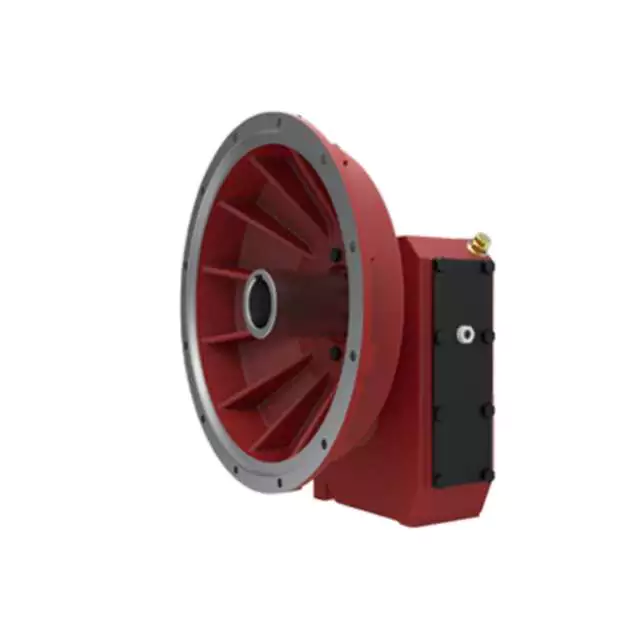
Uso de cajas de engranajes agrícolas en tareas especializadas: labranza y siembra.
Las cajas de engranajes agrícolas son componentes versátiles que desempeñan un papel crucial en diversas operaciones agrícolas, incluidas tareas especializadas como la labranza y la siembra. A continuación, se explica cómo se utilizan las cajas de engranajes agrícolas en estas tareas:
- Labranza: El arado es un paso esencial para preparar el suelo para la siembra. Las cajas de engranajes agrícolas se utilizan en las motoazadas montadas en tractores para accionar las púas giratorias que desmenuzan y remueven la tierra. El alto par motor y la eficiencia de transmisión de potencia de la caja de engranajes permiten que la motoazada funcione eficazmente incluso en suelos difíciles. Las relaciones de transmisión ajustables en la caja de engranajes permiten a los operadores controlar la velocidad y la profundidad de penetración de la motoazada, optimizando así la preparación del suelo.
- Plantación: La siembra de precisión requiere una colocación y espaciamiento exactos de las semillas para maximizar el rendimiento del cultivo. Las cajas de engranajes agrícolas se integran en los equipos de siembra para accionar mecanismos que distribuyen las semillas de manera uniforme a la profundidad deseada. La capacidad de la caja de engranajes para transmitir potencia con precisión garantiza una colocación uniforme de las semillas, lo que contribuye a una germinación y un crecimiento de las plantas homogéneos. Algunas cajas de engranajes en los equipos de siembra también ofrecen opciones de velocidad variable, lo que permite a los agricultores ajustar las tasas de siembra según el tipo de semilla y las condiciones del terreno.
Al permitir una transmisión de potencia eficiente y ofrecer ajustes personalizables de velocidad y par, las cajas de engranajes agrícolas mejoran la eficacia de tareas especializadas como la labranza y la siembra. Los agricultores pueden confiar en estas cajas de engranajes para lograr una preparación óptima del suelo y una siembra precisa, lo que en última instancia contribuye a mayores rendimientos de los cultivos.
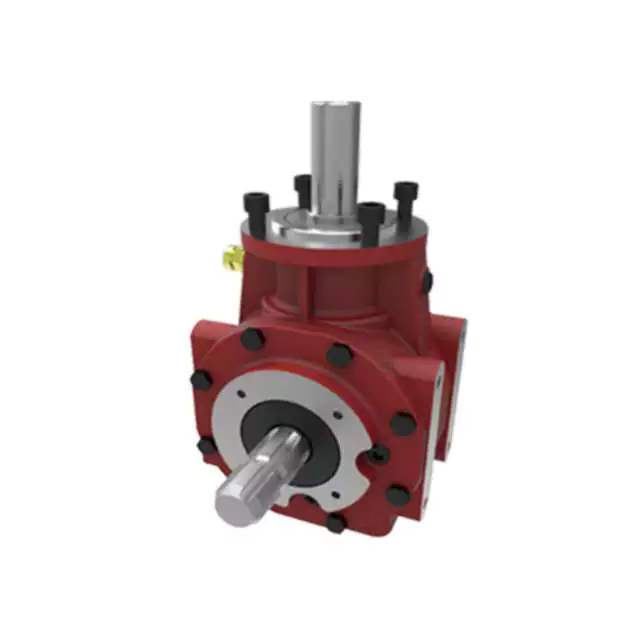
Specific Safety Precautions for Agricultural Gearbox Operation
Operating agricultural machinery with gearboxes requires careful attention to safety to prevent accidents and ensure the well-being of operators and bystanders. Here are some specific safety precautions associated with agricultural gearbox operation:
- Read the Manual: Familiarize yourself with the manufacturer’s manual for the specific gearbox and machinery. It provides valuable information about proper operation, maintenance, and safety guidelines.
- Proper Training: Ensure that operators are trained in the safe operation of the machinery, including how to engage and disengage the gearbox, adjust speeds, and handle emergencies.
- Protective Gear: Operators should wear appropriate protective gear, such as helmets, gloves, safety goggles, and sturdy footwear, to reduce the risk of injury from debris, moving parts, or other hazards.
- Clear Workspace: Before operating the machinery, clear the area of obstacles, debris, and bystanders. Ensure a safe distance between the machinery and people.
- Secure Attachments: If the gearbox is used in conjunction with attachments, ensure that they are properly secured and mounted according to manufacturer guidelines to prevent detachment during operation.
- Engage Safely: Engage the gearbox and start the machinery only after ensuring that all personnel are at a safe distance and that the machinery is on stable ground.
- Avoid Loose Clothing: Operators should avoid wearing loose clothing or accessories that could get caught in moving parts.
- Emergency Stops: Familiarize yourself with the location of emergency stop buttons and switches on the machinery and be prepared to use them if needed.
- Regular Maintenance: Perform routine maintenance checks on the gearbox and machinery to ensure that all components are in proper working condition. Replace worn parts and lubricate components as recommended by the manufacturer.
- Shut Down Properly: When finishing a task, disengage the gearbox, shut off the machinery, and engage any safety locks to prevent accidental starts.
Following these safety precautions can greatly reduce the risk of accidents and injuries when operating agricultural machinery with gearboxes. Always prioritize safety to create a secure working environment for everyone involved.
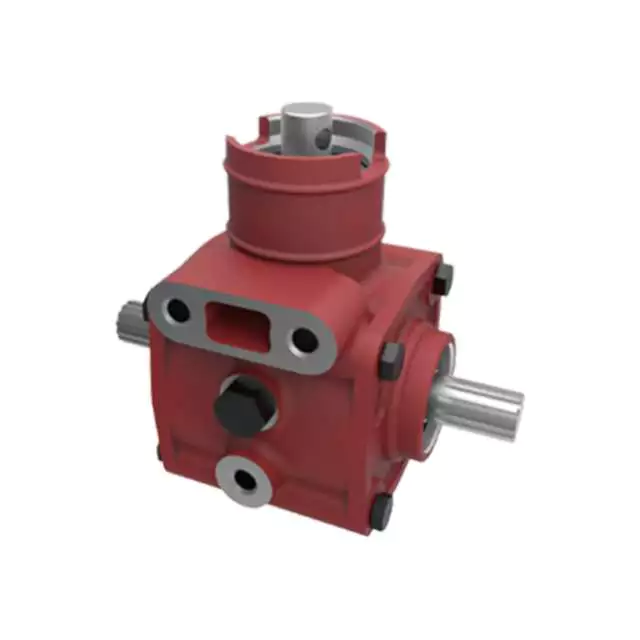
Función de las cajas de cambios agrícolas en la maquinaria agrícola
Una caja de cambios agrícola es un tipo especializado de caja de cambios que se utiliza en diversas máquinas y equipos agrícolas. Desempeña un papel crucial en el correcto funcionamiento de la maquinaria agrícola al transmitir la potencia y el par motor desde el motor a los diferentes componentes que realizan tareas específicas en el campo.
Las cajas de engranajes agrícolas están diseñadas para soportar las exigentes condiciones de las labores agrícolas, incluyendo la exposición al polvo, la suciedad, la humedad y las cargas pesadas. Se utilizan habitualmente en una amplia gama de maquinaria agrícola, como tractores, cosechadoras, cultivadoras, pulverizadoras y más.
Las funciones principales de las cajas de cambios agrícolas incluyen:
- Transmisión de potencia: Las cajas de engranajes agrícolas transmiten la potencia del motor a diversos componentes, como ruedas, cuchillas y correas, permitiéndoles realizar sus respectivas tareas.
- Control de velocidad: Las cajas de engranajes permiten a los operadores controlar la velocidad y el par motor de la maquinaria agrícola. Las diferentes tareas requieren distintas velocidades y niveles de par, y las cajas de engranajes proporcionan los ajustes necesarios.
- Cambio de dirección: Muchas operaciones agrícolas requieren cambiar el sentido de giro. Las cajas de engranajes permiten cambios de dirección suaves y eficientes sin necesidad de complejos sistemas mecánicos.
- Adaptación a las tareas: Las cajas de engranajes agrícolas están equipadas con diversos engranajes y ejes que se pueden configurar para adaptarse a las necesidades de tareas específicas, como arar, sembrar, cosechar, etc.
Estas cajas de engranajes se presentan en diferentes configuraciones, como engranajes rectos, helicoidales y planetarios, según la aplicación y los requisitos específicos. La elección del tipo de caja de engranajes, la relación de transmisión y los factores de diseño influyen en el rendimiento, la eficiencia y la durabilidad generales de la maquinaria agrícola.
El mantenimiento y la lubricación regulares son esenciales para garantizar la durabilidad y el funcionamiento fiable de las cajas de engranajes agrícolas. Un cuidado y mantenimiento adecuados ayudan a prevenir el desgaste prematuro y los daños, asegurando que la maquinaria funcione de forma óptima durante todas las temporadas de cultivo.


editor by CX 2024-02-23