
Descripción del Producto
Km Series Aluminium Alloy 7.5~300 Ratio 90 Degree Hypoid Gear Motor Vertical Hypoid Reduction Gearbox with Electric Motor
Parámetros del producto
|
Applicable Industries |
Garment Shops, Manufacturing Plant, Machinery Repair Shops, Food & Beverage Factory |
|
Gearing Arrangement |
Hypoid |
|
Par de salida |
100~500NM |
|
Velocidad de entrada |
1400 rpm |
|
Velocidad de salida |
5~187 |
|
Place of Origin |
China |
|
Brand Name |
HUAKE |
|
Product name |
Hypoid gear reducer |
|
Color |
Azul |
|
Relación |
5-400 |
|
Certificate |
ISO9001 CCC CE |
For more models, please contact us!
F helical gear reducer
Parallel output, compact structure, large transmission torque, stable operation, low noise and long life.
Installation method: base installation, flange installation, torque arm installation.
Reduction ratio: basic type 2 level 4.3-25.3, 3 level 28.2-273, combined to 18509.
The rotation direction of the input and output of the basic two-stage is the same, and the three-stage is opposite; please consult when combining.
Output mode: hollow shaft output or CZPT shaft output.
Average efficiency: Level 2 96%, Level 3 94%, F/CR average efficiency 85%.
K helical bevel gear reducer
Vertical output, compact structure, hard tooth surface transmission torque, high-precision gears ensure stable work, low noise
and long life.
Installation method: base installation, flange installation, torque arm installation, small flange installation.
Input mode: motor direct connection, motor belt connection or input shaft, connection flange input.
Output mode: hollow shaft output or CZPT shaft output, the average efficiency is 94%.
Reduction ratio: basic type 8.1-191, combined to 13459.
R helical gear reducer
Small bias output, compact structure, maximum use of cabinet space, the second and third levels are in the same cabinet. Using an integral cast box, the box structure has good rigidity, which is easy to improve the strength of the shaft and the life of the
bearing.
Installation method: pedestal installation, flanges with large and small flanges are easy to choose.
Solid shaft output, the average efficiency is 96% in the second stage, 94% in the third stage, and 85% in CR/CR. The CRM series specially designed for mixing can carry large axial and radial forces.
Perfil de la empresa
Certificaciones
Embalaje y envío
Preguntas frecuentes
| Solicitud: | Motor, Electric Cars, Motorcycle, Machinery, Marine, Toy, Agricultural Machinery, Car, Transmission Parts |
|---|---|
| Función: | Distribución de potencia, embrague, cambio de par de transmisión, cambio de dirección de transmisión, cambio de velocidad, reducción de velocidad, aumento de velocidad |
| Disposición: | Cycloidal |
| Dureza: | Superficie dentada endurecida |
| Instalación: | Tipo de brazo de torsión |
| Paso: | Paso único |
| Muestras: |
US$ 80/Piece
1 unidad (pedido mínimo) | |
|---|
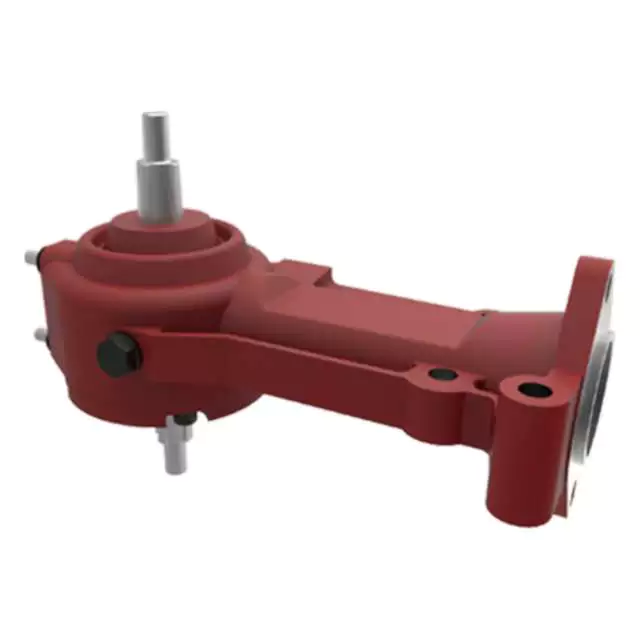
Considerations for Heavy-Duty Farming Gearboxes
Heavy-duty farming applications require robust and reliable gearboxes that can withstand high loads, harsh conditions, and frequent use. Here are the key considerations for selecting gearboxes for heavy-duty farming:
- Load Capacity: Heavy-duty gearboxes must have a high load-carrying capacity to handle the demands of agricultural machinery, such as tillers, plows, and combines.
- Material Durability: Gearboxes should be constructed from durable materials, such as hardened steel or cast iron, that can withstand the stresses and impacts associated with heavy-duty tasks.
- Sealing and Protection: Effective sealing and protection mechanisms, such as robust seals and gaskets, prevent the ingress of dirt, water, and contaminants that can cause premature wear and damage.
- Lubrication System: A reliable and efficient lubrication system is crucial for heavy-duty gearboxes to ensure proper lubrication of components under high loads and temperatures.
- Heat Dissipation: Heavy-duty applications generate significant heat. Gearboxes should have efficient heat dissipation mechanisms, such as cooling fins or oil coolers, to prevent overheating and maintain performance.
- Design and Construction: Gearbox design should incorporate reinforced housing, larger bearings, and robust gears to handle heavy loads without compromising structural integrity.
- Alignment and Mounting: Proper alignment and mounting are essential to ensure smooth and efficient power transmission. Misalignment can lead to increased wear and reduced gearbox lifespan.
- Maintenance Accessibility: Heavy-duty gearboxes should be designed for easy maintenance access. Features such as removable covers and inspection points simplify servicing and repairs.
- Compatibility: Gearboxes should be compatible with the specific machinery and tasks they will be used for. Customizable gear ratios and output shaft configurations enhance versatility.
- Reliability and Longevity: Heavy-duty gearboxes should be built to last, with quality craftsmanship and components that can withstand the demanding conditions of agricultural operations.
- Safety: Safety features, such as guards and emergency shutdown mechanisms, are essential to protect operators and nearby personnel from potential hazards.
- Environmental Considerations: Gearbox designs should consider environmental regulations and emissions standards to minimize the impact on the environment.
- Cost-Effectiveness: While heavy-duty gearboxes require a higher upfront investment, their durability and performance contribute to long-term cost-effectiveness by reducing downtime and the need for frequent replacements.
By carefully considering these factors, farmers can select the appropriate heavy-duty gearboxes that enhance productivity and reliability in their farming operations.
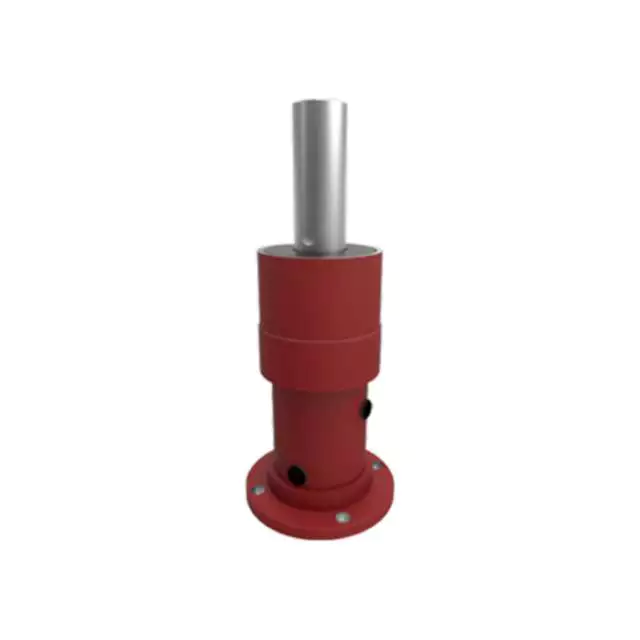
Signos comunes de desgaste de la caja de cambios y sus soluciones.
Las cajas de engranajes, como cualquier componente mecánico, pueden sufrir desgaste con el tiempo debido a factores como la fricción, la carga y las condiciones de funcionamiento. Reconocer los signos comunes de desgaste es fundamental para un mantenimiento oportuno y para evitar posibles averías. A continuación, se presentan algunos signos a tener en cuenta y las soluciones para abordarlos:
- Ruidos inusuales: Los ruidos de fricción, chasquidos o zumbidos durante el funcionamiento pueden indicar desgaste en los engranajes o cojinetes. Inspeccione la caja de engranajes para detectar dientes dañados o lubricación insuficiente. Reemplace los componentes dañados y asegúrese de una lubricación adecuada.
- Aumento de la vibración: Las vibraciones excesivas sugieren una desalineación o desequilibrio en la caja de cambios. Verifique la alineación y equilibre los componentes si es necesario. Asimismo, inspeccione si hay ejes o cojinetes desgastados o dañados.
- Fuga: Las fugas de aceite o lubricante pueden indicar desgaste en los sellos o juntas. Reemplace los sellos y las juntas para evitar fugas y garantizar una lubricación adecuada.
- Engranajes resbaladizos: Si las marchas se salen de su sitio o si hay dificultad para cambiarlas, es posible que los dientes de los engranajes estén desgastados o dañados. Inspeccione los engranajes en busca de signos de desgaste o astillamiento y reemplácelos si es necesario.
- Aumento de temperatura: La generación anormal de calor puede deberse a una mayor fricción causada por piezas desgastadas. Verifique los niveles y la calidad de la lubricación y reemplace los cojinetes o engranajes desgastados que provoquen una fricción excesiva.
- Disminución del rendimiento: La reducción de la transmisión de potencia o de la eficiencia de salida puede indicar desgaste en la caja de cambios. Inspeccione los engranajes, los cojinetes y demás componentes en busca de signos de desgaste y reemplácelos si es necesario.
- Juego excesivo: Un juego excesivo o holgura en los engranajes puede indicar desgaste en los dientes o en los cojinetes. Inspeccione los componentes para detectar desgaste, ajuste la holgura y reemplace las piezas desgastadas.
Para abordar el desgaste de la caja de engranajes, se requiere un mantenimiento rutinario que incluya una lubricación adecuada, comprobaciones de alineación e inspecciones periódicas. El reemplazo oportuno de los componentes desgastados o dañados puede prolongar la vida útil de la caja de engranajes y mantener un rendimiento óptimo en diversas aplicaciones.
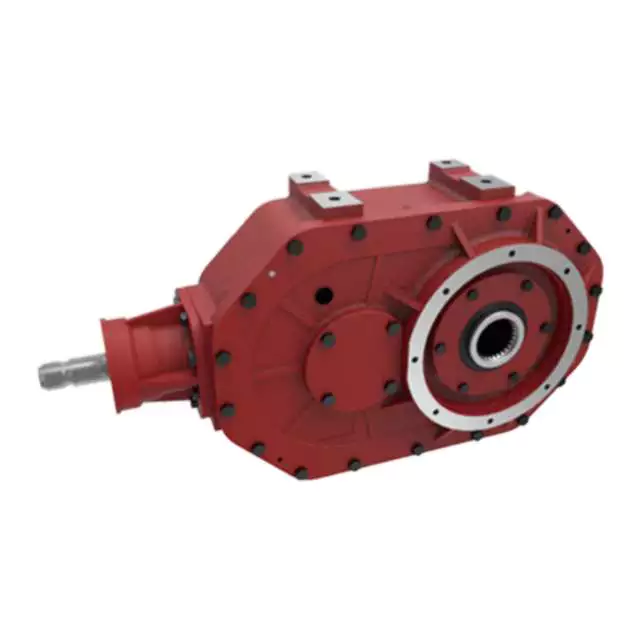
Power Transmission in Farming Equipment with Agricultural Gearboxes
Agricultural gearboxes play a vital role in facilitating power transmission within various types of farming equipment. These gearboxes are integral components that enable the transfer of rotational power from a tractor’s engine to different agricultural implements and machinery. Here’s how agricultural gearboxes contribute to power transmission:
- Speed Reduction: In many farming operations, the engine of a tractor or other power source operates at a higher speed than is suitable for the optimal functioning of agricultural implements. Agricultural gearboxes provide speed reduction by using a combination of gears with different numbers of teeth. This reduction in speed allows the machinery to operate at the required speed for efficient tasks like tilling, planting, or harvesting.
- Power Multiplication: Some agricultural tasks require a significant amount of torque to operate effectively. Gearboxes can multiply the input torque from the engine to generate higher torque at the output shaft. This is crucial for tasks such as plowing, where substantial force is needed to break up the soil.
- Directional Change: Agricultural gearboxes also allow for changes in the direction of power transmission. For instance, a tractor’s power take-off (PTO) shaft may need to transmit power at a right angle to the tractor’s engine. Gearboxes with bevel gears or other arrangements enable this change in direction, ensuring that power is properly directed to the implement.
- Power Distribution: In certain cases, power needs to be distributed to multiple components or implements. Agricultural gearboxes with multiple output shafts can distribute power to different tasks simultaneously, optimizing efficiency and productivity.
- Attachment Operation: Many agricultural implements, such as plows, seed drills, and rotary mowers, require consistent and controlled power to function effectively. Gearboxes provide the necessary power and control to these attachments, ensuring uniform operation and accurate results.
By facilitating speed reduction, power multiplication, directional changes, power distribution, and attachment operation, agricultural gearboxes contribute significantly to the overall efficiency and productivity of farming equipment. They allow farmers to adapt their machinery to various tasks, optimize power usage, and achieve better results in different agricultural operations.


editor by CX 2023-09-05