
Description du produit
High Torque RF Series Inline Helical Gearbox
RF Series reducers are designed and manufactured on the basis of modular combination system.
Description du produit
De petite taille, léger, avec un couple de transmission élevé, des performances supérieures, un fonctionnement stable, un faible niveau sonore et une grande durabilité, il peut être installé de diverses manières et associé à différents types de moteurs. Il trouve de nombreuses applications, notamment dans le traitement des eaux usées, l'industrie chimique et pharmaceutique.
Il existe de nombreuses combinaisons de moteurs, configurations d'installation et schémas structurels. Le rapport de transmission est finement calibré pour s'adapter à différentes conditions de fonctionnement, et les performances sont optimales.
Boîte de vitesses en fonte renforcée haute rigidité ; l'engrenage trempé est fabriqué en acier allié de haute qualité. Sa surface est cémentée, trempée et durcie, puis l'engrenage est finement rectifié. Elle offre une transmission stable, un faible niveau sonore et une capacité de charge élevée. Faible échauffement, longue durée de vie. Largement utilisée en métallurgie. 1. Caractéristiques : faible déport de sortie, structure compacte, utilisation optimale de l'espace de la boîte, boîte monobloc moulée, bonne rigidité, améliorant la résistance de l'arbre et la durée de vie des roulements.
1. Données techniques :
| Nom du produit | High Torque RF Series Inline Helical Gearbox |
| Matériel d'équipement | acier allié 20CrMnTi |
| Couleur | Bleu Argent Personnalisé |
| Matériel de dossier | Fonte HT200 |
| Traitement des engrenages | Finition de rectification par machines à rectifier HOFLER |
| Test de bruit | En dessous de 65 dB |
| Marque des roulements | Roulement C&U, ZWZ,LYC, HRB, CHINAMFG, etc. |
| Marque du joint d'huile | NAK ou autre marque |
| Élévation de température (MAX) | 40ºC |
| Élévation de température (huile) (MAX) | 50ºC |
| Vibration | ≤20 µm |
| dureté du boîtier | HBS190-240 |
| Dureté superficielle des engrenages | HRC58°~62 ° |
| dureté du noyau d'engrenage | HRC33~40 |
| Précision d'usinage des engrenages | 5e année |
| Huile de graissage | GB L-CKC220-460, Shell Omala220-460 |
| Traitement thermique | Cémentation, trempe, etc. |
| Efficacité | 95%~96% (selon l'étage de transmission) |
| Contrecoup | ≤20 minutes d'arc |
2. Type d'installation et mode de sortie :
Installation de type à siège inférieur et de type à brides grandes et petites, sortie d'arbre CHINAMFG.
3. Mode d'entrée :
entrée directe du moteur, entrée de l'arbre et entrée de la bride de raccordement.
4. Taux de réduction :
simple <5, secondaire 5~24,8, tertiaire 27,2~264, combinaison R/R jusqu'à 18125.
5. Efficacité moyenne :
Classe II 96%, Classe III 95%, combinaison R/R 85%.
6.Paramètres techniques :
Sortie coaxiale
Puissance : 0,12 kW à 160 kW
Couple : 1,4 N·m ~ 23 200 N·m
Vitesse de sortie : 0,06 ~ 1090 tr/min
7. Modèle de réducteur série R :
RF37, 47, 57, 67, 77, 87, 97, 107,137, 147, 167,177
Photos détaillées
Certifications
Emballage et expédition
Instructions d'installation
Profil de l'entreprise
À PROPOS DE TILI
< ATELIER
< CONTRÔLE DE LA QUALITÉ
FAQ
Q1 : Êtes-vous une société commerciale ou un fabricant ?
A: Nous sommes un fabricant professionnel spécialisé dans la fabrication de différentes séries de réducteurs.
Q2 : Pouvez-vous faire de l'OEM ?
R : Oui, c'est possible. Nous proposons des services OEM à tous nos clients. Si vous souhaitez commander des réducteurs de vitesse non standard, veuillez nous fournir des schémas, les dimensions, des photos et des échantillons si possible.
Q3 : Quelle est la durée de votre garantie ?
R: Notre garantie est de 12 mois dans des circonstances normales.
Q 4 : Disposez-vous de procédures d'inspection pour le réducteur ?
A:100% auto-inspection avant emballage.
Q5 : Puis-je visiter votre usine avant de passer commande ?
A: Bien sûr, vous êtes les bienvenus pour visiter notre usine.
Q 6 : Comment choisir une boîte de vitesses ? Que faire si je ne sais pas quel réducteur il me faut ?
A: Vous pouvez consulter notre catalogue pour choisir le réducteur ou nous pouvons vous aider à choisir si vous nous fournissez les informations techniques suivantes : couple de sortie requis, vitesse de sortie et paramètres du moteur, etc. N'hésitez pas à nous envoyer un maximum d'informations ; notre équipe vous aidera à trouver le réducteur idéal.
Q 7 : Quelles informations devons-nous fournir avant de passer une commande ?
A: a) Type de réducteur, dimensions, rapport de transmission, type d'entrée et de sortie, bride d'entrée, position de montage, informations sur le moteur et la flèche de l'arbre, etc. b) Couleur du carter. c) Quantité souhaitée. d) Autres exigences particulières
Q 8 : Quelles sont les modalités de paiement ?
A: Vous pouvez payer par virement bancaire (30% à l'avance comme acompte avant la production + 70% avant la livraison).
/* 10 mars 2571 17:59:20 */!function(){function s(e,r){var a,o={};try{e&&e.split(“,”).forEach(function(e,t){e&&(a=e.match(/(.*?):(.*)$/))&&1
| Application: | Moteurs, machines, machines marines, machines agricoles, produits chimiques |
|---|---|
| Fonction: | Distribution de puissance, modification du couple moteur, inversion du sens de rotation, changement de vitesse, réduction de vitesse |
| Mise en page: | Coaxial |
| Dureté: | Surface dentaire durcie |
| Installation: | Type horizontal |
| Étape: | trois étapes |
| Personnalisation : |
Disponible
| Demande personnalisée |
|---|
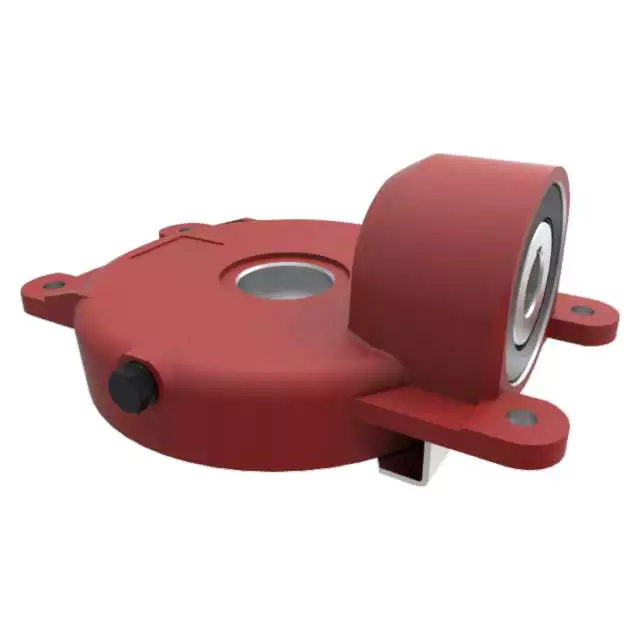
Lubrication Practices for Extending the Lifespan of Agricultural Gearboxes
Proper lubrication is essential for ensuring the longevity and optimal performance of agricultural gearboxes. Here are some essential lubrication practices that can help extend the lifespan of these gearboxes:
- Choose the Right Lubricant: Select a high-quality lubricant specifically designed for gearboxes and agricultural machinery. Consider factors such as viscosity, temperature range, and load-bearing capacity to ensure compatibility with the gearbox’s operating conditions.
- Regular Inspection: Perform regular visual inspections of the gearbox and lubricant to check for signs of contamination, wear, or inadequate lubrication. Address any issues promptly to prevent further damage.
- Cleanliness: Maintain a clean environment around the gearbox to minimize the risk of dirt, debris, and moisture entering the gearbox housing. Contaminants can compromise the lubricant’s effectiveness and accelerate wear.
- Lubricant Level: Monitor and maintain the proper lubricant level in the gearbox. Insufficient lubrication can lead to increased friction and heat, causing premature wear and potential damage to gears and bearings.
- Replace Lubricant: Follow the manufacturer’s recommendations for lubricant change intervals. Over time, lubricants can degrade, lose their properties, and become contaminated. Regularly replacing the lubricant helps ensure optimal performance.
- Use Lubrication Schedule: Create a lubrication schedule based on the gearbox’s usage and operating conditions. Stick to the recommended intervals for applying or changing lubricant to prevent under-lubrication or over-lubrication.
- Appropriate Lubrication Method: Follow the manufacturer’s guidelines for the correct lubrication method, whether it’s through oil bath, grease, or automatic lubrication systems. Proper application ensures even distribution of lubricant across gear surfaces.
- Temperature Considerations: Be aware of temperature variations in your operating environment. Extreme temperatures can affect lubricant viscosity and performance. Choose a lubricant that can handle the temperature range of your equipment.
- Expert Advice: Consult the gearbox manufacturer or a lubrication specialist to determine the best lubrication practices for your specific agricultural gearbox model and application.
By adhering to these lubrication practices, farmers can maximize the lifespan of their agricultural gearboxes, minimize downtime, and ensure efficient and reliable operation of their equipment.
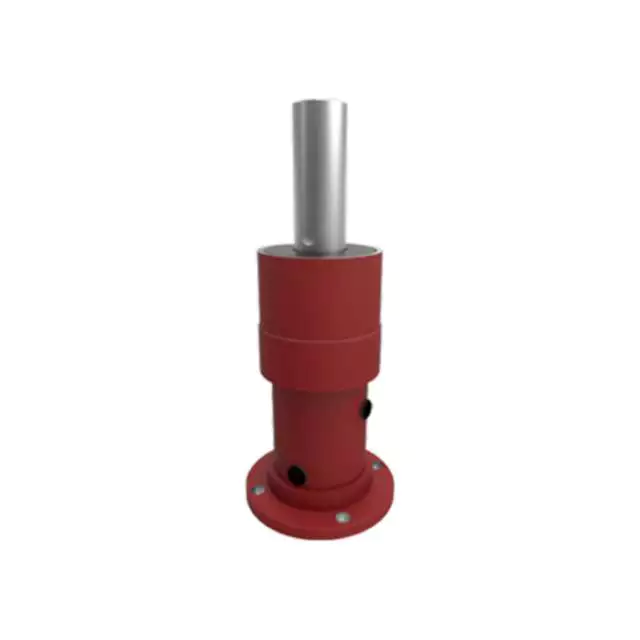
Common Signs of Gearbox Wear and Their Solutions
Gearboxes, like any mechanical components, can experience wear over time due to factors such as friction, load, and operating conditions. Recognizing the common signs of gearbox wear is essential for timely maintenance and avoiding potential breakdowns. Here are some signs to watch out for and the solutions to address them:
- Unusual Noises: Grinding, clicking, or whining noises during operation can indicate worn gears or bearings. Inspect the gearbox for damaged teeth or inadequate lubrication. Replace damaged components and ensure proper lubrication.
- Increased Vibration: Excessive vibration suggests misalignment or imbalance within the gearbox. Check for proper alignment and balance the components if necessary. Also, inspect for worn or damaged shafts or bearings.
- Leakage: Oil or lubricant leaks may indicate worn seals or gaskets. Replace seals and gaskets to prevent leakage and ensure adequate lubrication.
- Slipping Gears: Gears slipping out of engagement or difficulty shifting can point to worn or damaged gear teeth. Inspect gears for signs of wear or chipping, and replace as needed.
- Temperature Increase: Abnormal heat generation can result from increased friction due to worn parts. Check lubrication levels and quality, and replace worn bearings or gears causing excess friction.
- Decreased Performance: Reduced power transmission or output efficiency can indicate wear in the gearbox. Inspect gears, bearings, and other components for signs of wear and replace as necessary.
- Excessive Play: Excessive play or backlash in gears can indicate worn gear teeth or bearings. Inspect components for wear, adjust backlash, and replace worn parts.
Addressing gearbox wear requires routine maintenance, including proper lubrication, alignment checks, and regular inspections. Timely replacement of worn or damaged components can extend the gearbox’s lifespan and maintain optimal performance in various applications.
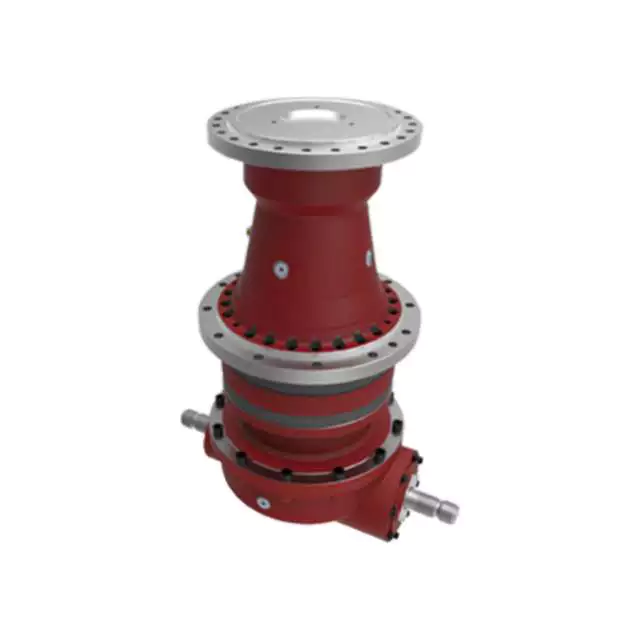
Maintenance Requirements for Agricultural Gearboxes
Maintaining agricultural gearboxes is crucial to ensure the smooth and efficient operation of farming equipment. Proper maintenance helps extend the lifespan of gearboxes and prevents costly breakdowns. Here are the key maintenance requirements:
- Regular Inspections: Conduct routine visual inspections to check for signs of wear, damage, leaks, or misalignment. Regularly inspect gear teeth, seals, and bearings for any issues.
- Lubrication: Proper lubrication is essential to minimize friction and wear in gearboxes. Follow the manufacturer’s guidelines for the type of lubricant to use and the recommended intervals for lubrication.
- Lubricant Checks: Monitor the gearbox’s lubricant levels and quality regularly. Replace or replenish lubricants as needed, and ensure that contaminants are kept out of the lubrication system.
- Tightening Bolts and Fasteners: Check and tighten bolts, nuts, and fasteners to prevent loosening due to vibrations during operation. Loose components can lead to misalignment and premature wear.
- Seal Inspection: Examine seals for leaks and proper sealing. Damaged or worn seals should be replaced promptly to prevent lubricant leakage and the ingress of contaminants.
- Cleaning: Keep gearboxes clean by removing dirt, debris, and residue. Regular cleaning prevents abrasive particles from entering the gearbox and causing damage.
- Alignment: Ensure that gearboxes are properly aligned with connected components, such as shafts and couplings. Misalignment can lead to increased wear and reduced efficiency.
- Temperature Monitoring: Monitor the operating temperature of the gearbox. Abnormal temperature increases may indicate issues like overloading or insufficient lubrication.
- Filter Replacement: If the gearbox has a filtration system, regularly replace or clean the filters to prevent contaminants from entering the gearbox.
- Expert Inspection: Periodically have gearboxes inspected by qualified technicians. They can identify potential problems that may not be visible during routine inspections.
Adhering to these maintenance requirements ensures that agricultural gearboxes remain in optimal condition and contribute to the reliability and efficiency of farming equipment. Regular maintenance not only prevents unexpected downtime but also prolongs the service life of the gearboxes, ultimately benefiting the productivity of agricultural operations.


editor by CX 2024-02-21