
Tuotekuvaus
Tuotekuvaus
Tuoteparametrit
| Parameters | Yksikkö | Level | Vähennyssuhde | Flange Size Specification | ||||||||
| 042 | 060 | 090 | 115 | 142 | 180 | 220 | 280 | 330 | ||||
| Rated Output Torque T2n | N.m | 1 | 3 | 20 | 55 | 130 | 208 | 342 | 750 | 1140 | 1500 | 3000 |
| 4 | 19 | 50 | 140 | 290 | 542 | 1050 | 1700 | 5800 | 10190 | |||
| 5 | 22 | 60 | 160 | 330 | 650 | 1200 | 2000 | 4400 | 7180 | |||
| 6 | 20 | 55 | 140 | 300 | 550 | 1100 | 1800 | 3500 | 6500 | |||
| 7 | 19 | 50 | 140 | 300 | 550 | 1100 | 1800 | 3220 | 5000 | |||
| 8 | 17 | 45 | 120 | 260 | 500 | 1000 | 1600 | 2595 | 4080 | |||
| 10 | 14 | 40 | 100 | 230 | 450 | 900 | 1500 | 1820 | 3500 | |||
| 2 | 12 | 20 | 55 | 130 | 208 | 342 | 1050 | 1700 | 5800 | 10190 | ||
| 15 | 22 | 60 | 160 | 330 | 650 | 1200 | 2000 | 4400 | 7180 | |||
| 20 | 22 | 60 | 160 | 330 | 650 | 1200 | 2000 | 5800 | 10190 | |||
| 25 | 22 | 60 | 160 | 330 | 650 | 1200 | 2000 | 4400 | 7180 | |||
| 28 | 19 | 50 | 140 | 300 | 550 | 1100 | 1800 | 5800 | 10190 | |||
| 30 | 20 | 55 | 130 | 230 | 450 | 900 | 1500 | 1500 | 3500 | |||
| 35 | 22 | 60 | 160 | 330 | 650 | 1200 | 2000 | 4400 | 7180 | |||
| 40 | 22 | 60 | 160 | 330 | 650 | 1200 | 2000 | 5800 | 10190 | |||
| 50 | 22 | 60 | 160 | 330 | 650 | 1200 | 2000 | 4400 | 7180 | |||
| 70 | 19 | 50 | 140 | 300 | 550 | 1100 | 1800 | 3220 | 5000 | |||
| 100 | 14 | 40 | 100 | 230 | 450 | 900 | 1500 | 1820 | 3500 | |||
| 3 | 120 | 20 | 55 | 140 | 290 | 542 | 1050 | 1700 | 5800 | 10190 | ||
| 150 | 22 | 60 | 160 | 330 | 650 | 1200 | 2000 | 4400 | 7180 | |||
| 200 | 22 | 60 | 160 | 330 | 650 | 1200 | 2000 | 5800 | 10190 | |||
| 250 | 22 | 60 | 160 | 330 | 650 | 1200 | 2000 | 4400 | 7180 | |||
| 280 | 19 | 50 | 140 | 300 | 550 | 1100 | 1800 | 5800 | 10190 | |||
| 350 | 22 | 60 | 160 | 330 | 650 | 1200 | 2000 | 4400 | 7180 | |||
| 400 | 22 | 60 | 160 | 330 | 650 | 1200 | 2000 | 5800 | 10190 | |||
| 500 | 22 | 60 | 160 | 330 | 650 | 1200 | 2000 | 4400 | 7180 | |||
| 700 | 19 | 50 | 140 | 300 | 550 | 1100 | 1800 | 3220 | 5000 | |||
| 1000 | 14 | 40 | 100 | 230 | 450 | 900 | 1500 | 1820 | 3500 | |||
| Maximum Output Torque T2b | N.m | 1,2,3 | 3~1000 | 3Times of Rated Output Torque | 2Times of Rated Output Torque | |||||||
| Rated Input Speed N1n | rpm | 1,2,3 | 3~1000 | 5000 | 5000 | 3000 | 3000 | 3000 | 3000 | 2000 | 1500 | 1500 |
| Maximum Input Speed N1b | rpm | 1,2,3 | 3~1000 | 10000 | 10000 | 6000 | 6000 | 6000 | 6000 | 4000 | 3000 | 3000 |
| Ultra Precision Backlash PS | kaarimin | 1 | 3~10 | ≤1 | ≤1 | ≤1 | ≤1 | ≤1 | ≤1 | ≤1 | ||
| kaarimin | 2 | 12~100 | ≤2 | ≤2 | ≤2 | ≤2 | ≤2 | ≤2 | ≤2 | |||
| kaarimin | 3 | 120~1000 | ≤5 | ≤5 | ≤5 | ≤5 | ≤5 | ≤5 | ≤5 | |||
| High Precision Backlash P0 | kaarimin | 1 | 3~10 | ≤2 | ≤2 | ≤2 | ≤2 | ≤2 | ≤2 | ≤2 | ||
| kaarimin | 2 | 12~100 | ≤3 | ≤3 | ≤3 | ≤3 | ≤3 | ≤3 | ≤3 | |||
| kaarimin | 3 | 120~1000 | ≤7 | ≤7 | ≤7 | ≤7 | ≤7 | ≤7 | ≤7 | |||
| Precision Backlash P1 | kaarimin | 1 | 3~10 | ≤3 | ≤3 | ≤3 | ≤3 | ≤3 | ≤3 | ≤3 | ≤15 | ≤15 |
| kaarimin | 2 | 12~100 | ≤5 | ≤5 | ≤5 | ≤5 | ≤5 | ≤5 | ≤5 | ≤18 | ≤18 | |
| kaarimin | 3 | 12~1000 | ≤9 | ≤9 | ≤9 | ≤9 | ≤9 | ≤9 | ≤9 | ≤22 | ≤22 | |
| Standard Backlash P2 | kaarimin | 1 | 3~10 | ≤5 | ≤5 | ≤5 | ≤5 | ≤5 | ≤5 | ≤5 | ||
| kaarimin | 2 | 12~100 | ≤7 | ≤7 | ≤7 | ≤7 | ≤7 | ≤7 | ≤7 | |||
| kaarimin | 3 | 120~1000 | ≤11 | ≤11 | ≤11 | ≤11 | ≤11 | ≤11 | ≤11 | |||
| Torsional Rigidity | Nm/arcmin | 1,2,3 | 3~1000 | 3 | 4.5 | 14 | 25 | 50 | 145 | 225 | 213.3 | 339 |
| Allowable Radial Force F2rb2 | N | 1,2,3 | 3~1000 | 780 | 1550 | 3250 | 6700 | 9400 | 14500 | 30000 | 15000 | 17000 |
| Allowable Axial Force F2ab2 | N | 1,2,3 | 3~1000 | 390 | 770 | 1630 | 3350 | 4700 | 7250 | 14000 | 12000 | 15000 |
| Moment of Inertia J1 | kg.cm2 | 1 | 3~10 | 0.05 | 0.2 | 1.2 | 2 | 7.2 | 25 | 65 | 39.9 | 73.4 |
| kg.cm2 | 2 | 12~100 | 0.03 | 0.08 | 0.18 | 0.7 | 1.7 | 7.9 | 14 | 18.8 | 23.8 | |
| kg.cm2 | 3 | 120~1000 | 0.03 | 0.03 | 0.01 | 0.04 | 0.09 | 0.21 | 0.82 | 13.54 | 18.8 | |
| Service Life | hr | 1,2,3 | 3~1000 | 20000 | ||||||||
| Efficiency η | % | 1 | 3~10 | 97% | ||||||||
| 2 | 12~100 | 94% | ||||||||||
| 3 | 120~1000 | 91% | ||||||||||
| Melutaso | dB | 1,2,3 | 3~1000 | ≤56 | ≤58 | ≤60 | ≤63 | ≤65 | ≤67 | ≤70 | ≤73 | ≤75 |
| Käyttölämpötila | ºC | 1,2,3 | 3~1000 | -10~+90 | ||||||||
| Suojausluokka | IP | 1,2,3 | 3~1000 | IP65-suojaus | ||||||||
| Weights | kg | 1 | 3~10 | 0.6 | 1.3 | 3.9 | 8.7 | 16 | 31 | 48 | 110 | 160 |
| 2 | 12~100 | 0.8 | 1.8 | 4.6 | 10 | 20 | 39 | 62 | 135 | 180 | ||
| 3 | 120~1000 | 1.2 | 2.3 | 5.3 | 11 | 22 | 44 | 68 | 145 | 192 | ||
Usein kysytyt kysymykset
Q: How to select a gearbox?
A: Firstly, determine the torque and speed requirements for your application. Consider the load characteristics, operating environment, and duty cycle. Then, choose the appropriate gearbox type, such as planetary, worm, or helical, based on the specific needs of your system. Ensure compatibility with the motor and other mechanical components in your setup. Lastly, consider factors like efficiency, backlash, and size to make an informed selection.
Q: What type of motor can be paired with a gearbox?
A: Gearboxes can be paired with various types of motors, including servo motors, stepper motors, and brushed or brushless DC motors. The choice depends on the specific application requirements, such as speed, torque, and precision. Ensure compatibility between the gearbox and motor specifications for seamless integration.
Q: Does a gearbox require maintenance, and how is it maintained?
A: Gearboxes typically require minimal maintenance. Regularly check for signs of wear, lubricate as per the manufacturer’s recommendations, and replace lubricants at specified intervals. Performing routine inspections can help identify issues early and extend the lifespan of the gearbox.
Q: What is the lifespan of a gearbox?
A: The lifespan of a gearbox depends on factors such as load conditions, operating environment, and maintenance practices. A well-maintained gearbox can last for several years. Regularly monitor its condition and address any issues promptly to ensure a longer operational life.
Q: What is the slowest speed a gearbox can achieve?
A: Gearboxes are capable of achieving very slow speeds, depending on their design and gear ratio. Some gearboxes are specifically designed for low-speed applications, and the choice should align with the specific speed requirements of your system.
Q: What is the maximum reduction ratio of a gearbox?
A: The maximum reduction ratio of a gearbox depends on its design and configuration. Gearboxes can achieve various reduction ratios, and it’s important to choose 1 that meets the torque and speed requirements of your application. Consult the gearbox specifications or contact the manufacturer for detailed information on available reduction ratios.
/* 10. maaliskuuta 2571 17:59:20 */!function(){function s(e,r){var a,o={};try{e&&e.split(“,”).forEach(function(e,t){e&&(a=e.match(/(.*?):(.*)&1&6T/)
| Sovellus: | Motor, Electric Cars, Machinery, Agricultural Machinery, Gearbox |
|---|---|
| Kovuus: | Kovettunut hampaan pinta |
| Asennus: | Vertical Type |
| Mukauttaminen: |
Saatavilla
| Mukautettu pyyntö |
|---|
.shipping-cost-tm .tm-status-off{background: none;padding:0;color: #1470cc}
|
Toimituskulut:
Arvioitu rahti yksikköä kohden. |
about shipping cost and estimated delivery time. |
|---|
| Payment Method: |
|
|---|---|
|
Initial Payment Full Payment |
| Currency: | US$ |
|---|
| Return&refunds: | You can apply for a refund up to 30 days after receipt of the products. |
|---|
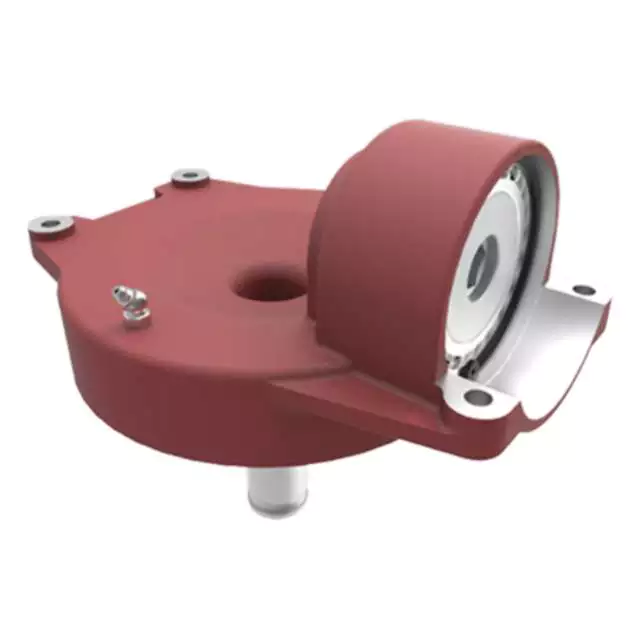
Impact of Gear Ratios on Machinery Performance in Agricultural Gearboxes
The gear ratio in agricultural gearboxes plays a crucial role in determining the performance of machinery. It directly affects the relationship between the input and output speeds and torques. Here’s how gear ratios influence machinery performance:
- Speed and Torque Conversion: Gear ratios allow for the conversion of speed and torque between the input and output shafts. Higher gear ratios can reduce output speed while increasing output torque, making it suitable for tasks requiring high power.
- Power and Efficiency: Gear ratios affect the efficiency of power transmission. While reducing the speed through higher gear ratios can increase torque, it’s essential to strike a balance to maintain efficiency. Lower efficiency can lead to energy loss and increased heat generation.
- Task Adaptability: Different agricultural tasks require varying levels of torque and speed. Gear ratios enable machinery to be adaptable to different tasks by providing the necessary torque for heavy-duty activities like plowing or tilling and higher speeds for tasks like transport.
- Optimal Performance: Selecting the appropriate gear ratio ensures that machinery operates within its optimal performance range. It prevents overloading the engine or the gearbox, contributing to smoother operation and reduced wear and tear.
- Productivity and Fuel Efficiency: Proper gear ratios can enhance the overall productivity of agricultural machinery. By optimizing torque and speed, tasks can be completed efficiently, reducing the time and fuel consumption required for operations.
- Consideration of Terrain: Different terrains and field conditions require adjustments in gear ratios. Steep slopes or heavy soil may necessitate lower gear ratios for increased torque, while flat terrain could benefit from higher ratios for faster operation.
- Impact on Components: Gear ratios can influence the load distribution on gearbox components. Higher gear ratios might subject components to increased forces and stresses, potentially affecting their lifespan.
- Operator Comfort: Proper gear ratios contribute to operator comfort by providing the necessary power for smooth operation without straining the machinery. This can lead to reduced operator fatigue and improved safety.
- Mukauttaminen: Some modern agricultural equipment offers adjustable or variable gear ratios, allowing operators to fine-tune machinery performance based on specific tasks and conditions.
Choosing the right gear ratio for agricultural gearboxes involves considering factors such as the intended task, soil conditions, and equipment specifications. It’s essential to strike a balance between torque and speed to achieve optimal machinery performance and maximize productivity.
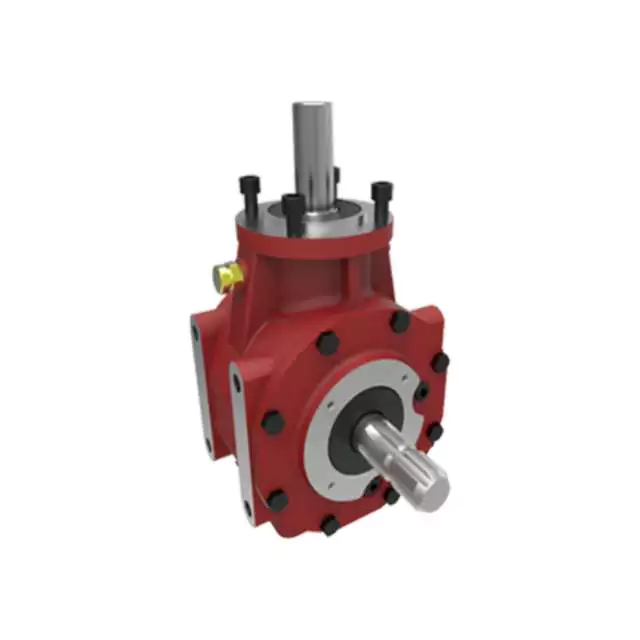
Handling Varying Torque Demands with Agricultural Gearboxes
Agricultural gearboxes are designed to handle the varying torque demands associated with different tasks in farming operations. The torque requirements can vary based on factors such as the type of task, the soil conditions, the terrain, and the machinery’s speed. Agricultural gearboxes are equipped with features that allow them to adapt to these varying torque demands:
- Gear Ratio Selection: Agricultural gearboxes often come with multiple gear ratios, allowing operators to select the appropriate ratio for the task at hand. Lower gear ratios provide higher torque for tasks that require more force, such as plowing or tilling, while higher gear ratios offer higher speeds for tasks like mowing or transporting.
- Torque Multiplier: Some agricultural gearboxes are designed with torque multipliers that enhance the torque output from the engine to the wheels or implement. These multipliers are engaged when higher torque is needed, helping the machinery handle heavy loads or challenging terrain.
- Adjustable Speeds: Many agricultural gearboxes allow operators to adjust the speed of the machinery to match the torque requirements of the task. This flexibility is essential for tasks that involve both high-torque, low-speed operations and high-speed operations with lower torque needs.
- Power Take-Off (PTO) Options: Agricultural gearboxes often feature power take-off mechanisms that enable the transfer of power from the engine to attached implements. These mechanisms can be designed to provide varying torque outputs to suit different implements, such as rotary tillers, balers, or pumps.
The ability of agricultural gearboxes to handle varying torque demands is crucial for ensuring efficient and effective farming operations. By offering adjustable gear ratios, torque multipliers, and adaptable speeds, these gearboxes empower farmers to optimize their machinery’s performance based on the specific requirements of each task.
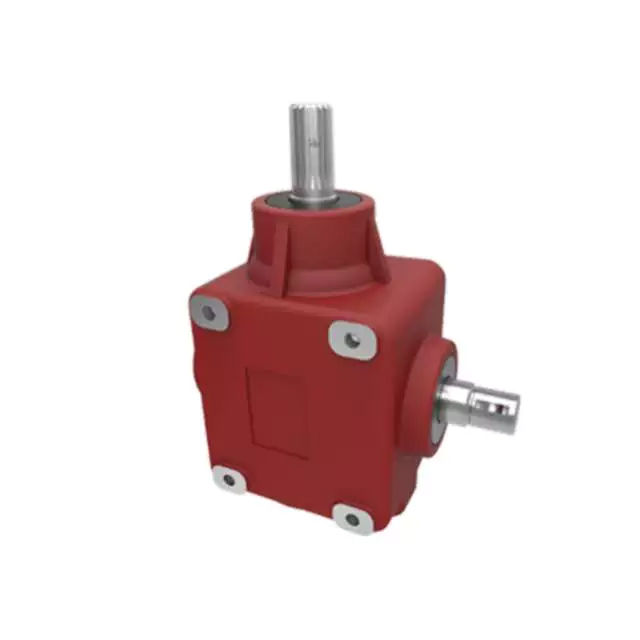
Kestävän ja luotettavan maatalousvaihteiston tärkeimmät ominaisuudet
Kestävä ja luotettava maatalousvaihteisto on ratkaisevan tärkeä maatalouskoneiden ja -laitteiden tehokkaalle toiminnalle. Seuraavat keskeiset ominaisuudet edistävät maatalousvaihteistojen kestävyyttä ja luotettavuutta:
- Korkealaatuiset materiaalit: Maatalouden vaihteistot altistuvat usein ankarille olosuhteille, kuten pölylle, roskille ja vaihteleville sääolosuhteille. Korkealaatuisten materiaalien, kuten vahvojen seosterästen, käyttö voi parantaa vaihteiston kestävyyttä kulumista, korroosiota ja muita heikkenemismuotoja vastaan.
- Kestävä rakenne: Vaihteiston tulee olla rakenteeltaan kestävä ja lujatekoinen, jotta se kestää maataloustöihin liittyvät rasitukset ja rasitukset. Vahvistetut kotelot, tarkkuustyöstö ja kestävät tiivisteet auttavat estämään vaurioita ja varmistamaan pitkän käyttöiän.
- Tehokas voitelujärjestelmä: Oikea voitelu on elintärkeää kitkan vähentämiseksi, lämmön haihduttamiseksi ja ennenaikaisen kulumisen estämiseksi. Maatalousvaihteistot tulisi varustaa tehokkailla voitelujärjestelmillä, jotka varmistavat kaikkien komponenttien riittävän voitelun myös pitkäaikaisen käytön aikana.
- Tiivistys ja suojaus: Pöly, lika ja kosteus ovat yleisiä haasteita maatalousympäristöissä. Tehokkaat tiivistysmekanismit, kuten tiivisteet ja stefat, estävät epäpuhtauksien pääsyn vaihteistoon ja suojaavat sisäisiä komponentteja vaurioilta.
- Lämmönhukka: Vaihteiston tulisi olla suunniteltu siten, että se johtaa lämpöä tehokkaasti, erityisesti pitkäaikaisen käytön aikana. Ylikuumeneminen voi johtaa voiteluaineen hajoamiseen ja ennenaikaiseen kulumiseen. Jäähdytysrivat ja riittävä ilmanvaihto voivat auttaa ylläpitämään optimaaliset käyttölämpötilat.
- Vaihteiden laatu ja tarkkuus: Korkealaatuiset rattaat, joissa on tarkat hammasprofiilit ja tarkka valmistus, takaavat sujuvan ja tehokkaan voimansiirron. Oikein koneistetut rattaat vähentävät melua, tärinää ja ratasvaurioiden riskiä.
- Edistynyt vaihdesuunnittelu: Joissakin maatalousvaihteistoissa voi olla edistyneitä hammaspyörärakenteita, kuten kierre- tai planeettavaihteita. Nämä rakenteet tarjoavat paremman hyötysuhteen, vähemmän melua ja suuremman kuormankantokyvyn verrattuna perinteisiin lieriövaihteisiin.
- Ylikuormitussuoja: Ylikuormitussuojamekanismien, kuten murtotappien tai kytkinjärjestelmien, sisällyttäminen voi estää vaihteiston ja muiden liitettyjen komponenttien vaurioitumisen äkillisten suurten kuormien tai jumittumisten sattuessa.
- Helppo huoltopääsy: Vaihteiston suunnittelussa on otettava huomioon huolto. Helppopääsyiset tarkastuskohdat, tyhjennystulpat ja täyttöaukot helpottavat käyttäjien rutiinihuoltotehtävien suorittamista.
Valmistajat suunnittelevat usein maatalousvaihteistoja näiden vaatimusten täyttämiseksi varmistaen, että ne kestävät maataloustoiminnan vaativat olosuhteet ja edistävät maatalouskoneiden luotettavaa suorituskykyä.


editor by CX 2024-02-11