
Produktbeskrivning
Produktbeskrivning
Produktparametrar
| Parametrar | Enhet | Level | Reduktionsförhållande | Flange Size Specification | ||||||||
| 042 | 060 | 090 | 115 | 142 | 180 | 220 | 280 | 330 | ||||
| Rated Output Torque T2n | Nm | 1 | 3 | 20 | 55 | 130 | 208 | 342 | 750 | 1140 | 1500 | 3000 |
| 4 | 19 | 50 | 140 | 290 | 542 | 1050 | 1700 | 5800 | 10190 | |||
| 5 | 22 | 60 | 160 | 330 | 650 | 1200 | 2000 | 4400 | 7180 | |||
| 6 | 20 | 55 | 140 | 300 | 550 | 1100 | 1800 | 3500 | 6500 | |||
| 7 | 19 | 50 | 140 | 300 | 550 | 1100 | 1800 | 3220 | 5000 | |||
| 8 | 17 | 45 | 120 | 260 | 500 | 1000 | 1600 | 2595 | 4080 | |||
| 10 | 14 | 40 | 100 | 230 | 450 | 900 | 1500 | 1820 | 3500 | |||
| 2 | 12 | 20 | 55 | 130 | 208 | 342 | 1050 | 1700 | 5800 | 10190 | ||
| 15 | 22 | 60 | 160 | 330 | 650 | 1200 | 2000 | 4400 | 7180 | |||
| 20 | 22 | 60 | 160 | 330 | 650 | 1200 | 2000 | 5800 | 10190 | |||
| 25 | 22 | 60 | 160 | 330 | 650 | 1200 | 2000 | 4400 | 7180 | |||
| 28 | 19 | 50 | 140 | 300 | 550 | 1100 | 1800 | 5800 | 10190 | |||
| 30 | 20 | 55 | 130 | 230 | 450 | 900 | 1500 | 1500 | 3500 | |||
| 35 | 22 | 60 | 160 | 330 | 650 | 1200 | 2000 | 4400 | 7180 | |||
| 40 | 22 | 60 | 160 | 330 | 650 | 1200 | 2000 | 5800 | 10190 | |||
| 50 | 22 | 60 | 160 | 330 | 650 | 1200 | 2000 | 4400 | 7180 | |||
| 70 | 19 | 50 | 140 | 300 | 550 | 1100 | 1800 | 3220 | 5000 | |||
| 100 | 14 | 40 | 100 | 230 | 450 | 900 | 1500 | 1820 | 3500 | |||
| 3 | 120 | 20 | 55 | 140 | 290 | 542 | 1050 | 1700 | 5800 | 10190 | ||
| 150 | 22 | 60 | 160 | 330 | 650 | 1200 | 2000 | 4400 | 7180 | |||
| 200 | 22 | 60 | 160 | 330 | 650 | 1200 | 2000 | 5800 | 10190 | |||
| 250 | 22 | 60 | 160 | 330 | 650 | 1200 | 2000 | 4400 | 7180 | |||
| 280 | 19 | 50 | 140 | 300 | 550 | 1100 | 1800 | 5800 | 10190 | |||
| 350 | 22 | 60 | 160 | 330 | 650 | 1200 | 2000 | 4400 | 7180 | |||
| 400 | 22 | 60 | 160 | 330 | 650 | 1200 | 2000 | 5800 | 10190 | |||
| 500 | 22 | 60 | 160 | 330 | 650 | 1200 | 2000 | 4400 | 7180 | |||
| 700 | 19 | 50 | 140 | 300 | 550 | 1100 | 1800 | 3220 | 5000 | |||
| 1000 | 14 | 40 | 100 | 230 | 450 | 900 | 1500 | 1820 | 3500 | |||
| Maximum Output Torque T2b | Nm | 1,2,3 | 3~1000 | 3Times of Rated Output Torque | 2Times of Rated Output Torque | |||||||
| Rated Input Speed N1n | rpm | 1,2,3 | 3~1000 | 5000 | 5000 | 3000 | 3000 | 3000 | 3000 | 2000 | 1500 | 1500 |
| Maximum Input Speed N1b | rpm | 1,2,3 | 3~1000 | 10000 | 10000 | 6000 | 6000 | 6000 | 6000 | 4000 | 3000 | 3000 |
| Ultra Precision Backlash PS | bågmin | 1 | 3~10 | ≤1 | ≤1 | ≤1 | ≤1 | ≤1 | ≤1 | ≤1 | ||
| bågmin | 2 | 12~100 | ≤2 | ≤2 | ≤2 | ≤2 | ≤2 | ≤2 | ≤2 | |||
| bågmin | 3 | 120~1000 | ≤5 | ≤5 | ≤5 | ≤5 | ≤5 | ≤5 | ≤5 | |||
| High Precision Backlash P0 | bågmin | 1 | 3~10 | ≤2 | ≤2 | ≤2 | ≤2 | ≤2 | ≤2 | ≤2 | ||
| bågmin | 2 | 12~100 | ≤3 | ≤3 | ≤3 | ≤3 | ≤3 | ≤3 | ≤3 | |||
| bågmin | 3 | 120~1000 | ≤7 | ≤7 | ≤7 | ≤7 | ≤7 | ≤7 | ≤7 | |||
| Precision Backlash P1 | bågmin | 1 | 3~10 | ≤3 | ≤3 | ≤3 | ≤3 | ≤3 | ≤3 | ≤3 | ≤15 | ≤15 |
| bågmin | 2 | 12~100 | ≤5 | ≤5 | ≤5 | ≤5 | ≤5 | ≤5 | ≤5 | ≤18 | ≤18 | |
| bågmin | 3 | 12~1000 | ≤9 | ≤9 | ≤9 | ≤9 | ≤9 | ≤9 | ≤9 | ≤22 | ≤22 | |
| Standard Backlash P2 | bågmin | 1 | 3~10 | ≤5 | ≤5 | ≤5 | ≤5 | ≤5 | ≤5 | ≤5 | ||
| bågmin | 2 | 12~100 | ≤7 | ≤7 | ≤7 | ≤7 | ≤7 | ≤7 | ≤7 | |||
| bågmin | 3 | 120~1000 | ≤11 | ≤11 | ≤11 | ≤11 | ≤11 | ≤11 | ≤11 | |||
| Torsional Rigidity | Nm/bågmin | 1,2,3 | 3~1000 | 3 | 4.5 | 14 | 25 | 50 | 145 | 225 | 213.3 | 339 |
| Allowable Radial Force F2rb2 | N | 1,2,3 | 3~1000 | 780 | 1550 | 3250 | 6700 | 9400 | 14500 | 30000 | 15000 | 17000 |
| Allowable Axial Force F2ab2 | N | 1,2,3 | 3~1000 | 390 | 770 | 1630 | 3350 | 4700 | 7250 | 14000 | 12000 | 15000 |
| Moment of Inertia J1 | kg.cm2 | 1 | 3~10 | 0.05 | 0.2 | 1.2 | 2 | 7.2 | 25 | 65 | 39.9 | 73.4 |
| kg.cm2 | 2 | 12~100 | 0.03 | 0.08 | 0.18 | 0.7 | 1.7 | 7.9 | 14 | 18.8 | 23.8 | |
| kg.cm2 | 3 | 120~1000 | 0.03 | 0.03 | 0.01 | 0.04 | 0.09 | 0.21 | 0.82 | 13.54 | 18.8 | |
| Service Life | timme | 1,2,3 | 3~1000 | 20000 | ||||||||
| Efficiency η | % | 1 | 3~10 | 97% | ||||||||
| 2 | 12~100 | 94% | ||||||||||
| 3 | 120~1000 | 91% | ||||||||||
| Bullernivå | dB | 1,2,3 | 3~1000 | ≤56 | ≤58 | ≤60 | ≤63 | ≤65 | ≤67 | ≤70 | ≤73 | ≤75 |
| Driftstemperatur | ºC | 1,2,3 | 3~1000 | -10~+90 | ||||||||
| Skyddsklass | IP | 1,2,3 | 3~1000 | IP65 | ||||||||
| Weights | kg | 1 | 3~10 | 0.6 | 1.3 | 3.9 | 8.7 | 16 | 31 | 48 | 110 | 160 |
| 2 | 12~100 | 0.8 | 1.8 | 4.6 | 10 | 20 | 39 | 62 | 135 | 180 | ||
| 3 | 120~1000 | 1.2 | 2.3 | 5.3 | 11 | 22 | 44 | 68 | 145 | 192 | ||
Vanliga frågor
Q: How to select a gearbox?
A: Firstly, determine the torque and speed requirements for your application. Consider the load characteristics, operating environment, and duty cycle. Then, choose the appropriate gearbox type, such as planetary, worm, or helical, based on the specific needs of your system. Ensure compatibility with the motor and other mechanical components in your setup. Lastly, consider factors like efficiency, backlash, and size to make an informed selection.
Q: What type of motor can be paired with a gearbox?
A: Gearboxes can be paired with various types of motors, including servo motors, stepper motors, and brushed or brushless DC motors. The choice depends on the specific application requirements, such as speed, torque, and precision. Ensure compatibility between the gearbox and motor specifications for seamless integration.
Q: Does a gearbox require maintenance, and how is it maintained?
A: Gearboxes typically require minimal maintenance. Regularly check for signs of wear, lubricate as per the manufacturer’s recommendations, and replace lubricants at specified intervals. Performing routine inspections can help identify issues early and extend the lifespan of the gearbox.
Q: What is the lifespan of a gearbox?
A: The lifespan of a gearbox depends on factors such as load conditions, operating environment, and maintenance practices. A well-maintained gearbox can last for several years. Regularly monitor its condition and address any issues promptly to ensure a longer operational life.
Q: What is the slowest speed a gearbox can achieve?
A: Gearboxes are capable of achieving very slow speeds, depending on their design and gear ratio. Some gearboxes are specifically designed for low-speed applications, and the choice should align with the specific speed requirements of your system.
Q: What is the maximum reduction ratio of a gearbox?
A: The maximum reduction ratio of a gearbox depends on its design and configuration. Gearboxes can achieve various reduction ratios, and it’s important to choose 1 that meets the torque and speed requirements of your application. Consult the gearbox specifications or contact the manufacturer for detailed information on available reduction ratios.
/* 10 mars 2571 17:59:20 */!function(){function s(e,r){var a,o={};try{e&&e.split(“,”).forEach(function(e,t){e&&(a=e.match(/(.*?):(.*)$/)))
| Ansökan: | Motor, Electric Cars, Machinery, Agricultural Machinery, Gearbox |
|---|---|
| Hårdhet: | Härdad tandyta |
| Installation: | Vertikal typ |
| Anpassning: |
Tillgänglig
| Anpassad förfrågan |
|---|
.shipping-cost-tm .tm-status-off{background: none;padding:0;color: #1470cc}
|
Shipping Cost:
Estimated freight per unit. |
about shipping cost and estimated delivery time. |
|---|
| Payment Method: |
|
|---|---|
|
Initial Payment Full Payment |
| Currency: | US$ |
|---|
| Return&refunds: | You can apply for a refund up to 30 days after receipt of the products. |
|---|
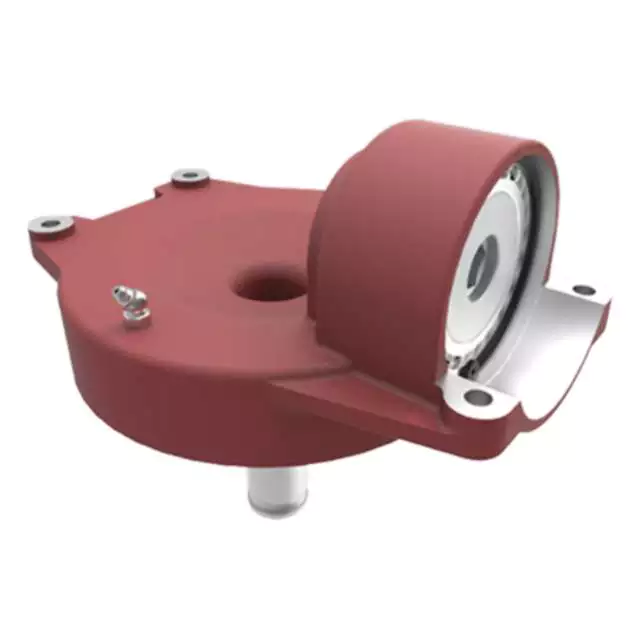
Impact of Gear Ratios on Machinery Performance in Agricultural Gearboxes
The gear ratio in agricultural gearboxes plays a crucial role in determining the performance of machinery. It directly affects the relationship between the input and output speeds and torques. Here’s how gear ratios influence machinery performance:
- Speed and Torque Conversion: Gear ratios allow for the conversion of speed and torque between the input and output shafts. Higher gear ratios can reduce output speed while increasing output torque, making it suitable for tasks requiring high power.
- Power and Efficiency: Gear ratios affect the efficiency of power transmission. While reducing the speed through higher gear ratios can increase torque, it’s essential to strike a balance to maintain efficiency. Lower efficiency can lead to energy loss and increased heat generation.
- Task Adaptability: Different agricultural tasks require varying levels of torque and speed. Gear ratios enable machinery to be adaptable to different tasks by providing the necessary torque for heavy-duty activities like plowing or tilling and higher speeds for tasks like transport.
- Optimal Performance: Selecting the appropriate gear ratio ensures that machinery operates within its optimal performance range. It prevents overloading the engine or the gearbox, contributing to smoother operation and reduced wear and tear.
- Productivity and Fuel Efficiency: Proper gear ratios can enhance the overall productivity of agricultural machinery. By optimizing torque and speed, tasks can be completed efficiently, reducing the time and fuel consumption required for operations.
- Consideration of Terrain: Different terrains and field conditions require adjustments in gear ratios. Steep slopes or heavy soil may necessitate lower gear ratios for increased torque, while flat terrain could benefit from higher ratios for faster operation.
- Impact on Components: Gear ratios can influence the load distribution on gearbox components. Higher gear ratios might subject components to increased forces and stresses, potentially affecting their lifespan.
- Operator Comfort: Proper gear ratios contribute to operator comfort by providing the necessary power for smooth operation without straining the machinery. This can lead to reduced operator fatigue and improved safety.
- Anpassning: Some modern agricultural equipment offers adjustable or variable gear ratios, allowing operators to fine-tune machinery performance based on specific tasks and conditions.
Choosing the right gear ratio for agricultural gearboxes involves considering factors such as the intended task, soil conditions, and equipment specifications. It’s essential to strike a balance between torque and speed to achieve optimal machinery performance and maximize productivity.
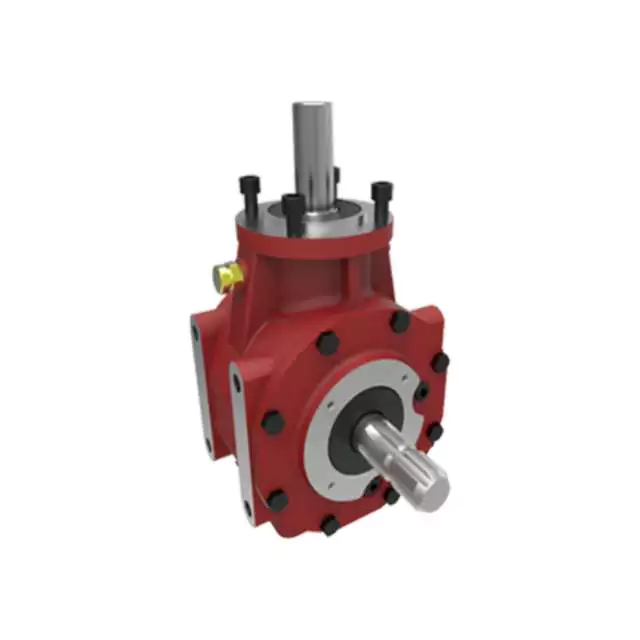
Hantering av varierande vridmomentkrav med jordbruksväxellådor
Jordbruksväxellådor är konstruerade för att hantera de varierande vridmomentkrav som är förknippade med olika uppgifter inom jordbruksverksamhet. Vridmomentkraven kan variera beroende på faktorer som typ av uppgift, markförhållanden, terräng och maskinernas hastighet. Jordbruksväxellådor är utrustade med funktioner som gör att de kan anpassa sig till dessa varierande vridmomentkrav:
- Val av utväxling: Jordbruksväxellådor har ofta flera utväxlingsförhållanden, vilket gör det möjligt för förare att välja lämplig utväxling för den aktuella uppgiften. Lägre utväxlingsförhållanden ger högre vridmoment för uppgifter som kräver mer kraft, såsom plöjning eller jordbearbetning, medan högre utväxlingsförhållanden ger högre hastigheter för uppgifter som gräsklippning eller transport.
- Momentmultiplikator: Vissa jordbruksväxellådor är konstruerade med momentmultiplikatorer som ökar vridmomentet från motorn till hjulen eller redskapet. Dessa multiplikatorer aktiveras när högre vridmoment behövs, vilket hjälper maskineriet att hantera tunga laster eller utmanande terräng.
- Justerbara hastigheter: Många jordbruksväxellådor gör det möjligt för förare att justera maskinernas hastighet för att matcha uppgiftens vridmomentkrav. Denna flexibilitet är avgörande för uppgifter som involverar både högt vridmoment och låga hastigheter, och höghastighetsoperationer med lägre vridmomentbehov.
- Kraftuttagsalternativ (PTO): Jordbruksväxellådor har ofta kraftuttagsmekanismer som möjliggör överföring av kraft från motorn till anslutna redskap. Dessa mekanismer kan utformas för att ge varierande vridmoment för att passa olika redskap, såsom jordfräsar, balpressar eller pumpar.
Jordbruksväxellådornas förmåga att hantera varierande vridmomentkrav är avgörande för att säkerställa effektiv och ändamålsenlig jordbruksverksamhet. Genom att erbjuda justerbara utväxlingsförhållanden, momentmultiplikatorer och anpassningsbara hastigheter ger dessa växellådor jordbrukare möjlighet att optimera sina maskiners prestanda baserat på de specifika kraven för varje uppgift.
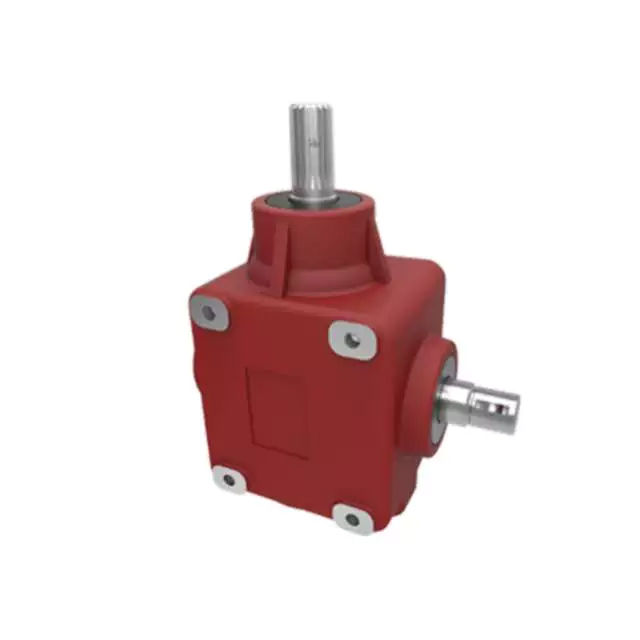
Viktiga funktioner hos en hållbar och pålitlig jordbruksväxellåda
En hållbar och pålitlig jordbruksväxellåda är avgörande för effektiv drift av jordbruksutrustning och maskiner. Följande viktiga egenskaper bidrar till hållbarheten och tillförlitligheten hos jordbruksväxellådor:
- Högkvalitativa material: Jordbruksväxellådor utsätts ofta för tuffa förhållanden, inklusive damm, skräp och varierande väder. Att använda högkvalitativa material, såsom starka legeringsstål, kan förbättra växellådans motståndskraft mot slitage, korrosion och andra former av försämring.
- Robust konstruktion: Växellådan bör ha en robust och robust konstruktion för att motstå de påfrestningar och belastningar som är förknippade med jordbruksarbete. Förstärkta höljen, precisionsbearbetning och robusta tätningar kan bidra till att förhindra skador och säkerställa lång livslängd.
- Effektivt smörjsystem: Korrekt smörjning är avgörande för att minska friktion, avleda värme och förhindra för tidigt slitage. Jordbruksväxellådor bör vara utrustade med effektiva smörjsystem som säkerställer att alla komponenter är tillräckligt smorda, även under längre tids drift.
- Tätning och skydd: Damm, smuts och fukt är vanliga utmaningar i jordbruksmiljöer. Effektiva tätningsmekanismer, såsom packningar och tätningar, förhindrar att föroreningar kommer in i växellådan och skyddar interna komponenter från skador.
- Värmeavledning: Växellådan bör vara konstruerad för att effektivt avleda värme, särskilt under långvarig drift. Överhettning kan leda till smörjning och för tidigt slitage. Kylflänsar och tillräcklig ventilation kan bidra till att upprätthålla optimala driftstemperaturer.
- Växelkvalitet och precision: Högkvalitativa kugghjul med exakta kuggprofiler och precisionstillverkning säkerställer en smidig och effektiv kraftöverföring. Korrekt bearbetade kugghjul minskar buller, vibrationer och risken för kugghjulshaveri.
- Avancerad växeldesign: Vissa jordbruksväxellådor kan ha avancerade kugghjulskonstruktioner, såsom spiral- eller planetväxlar. Dessa konstruktioner erbjuder förbättrad effektivitet, minskat buller och ökad bärförmåga jämfört med traditionella cylindriska kugghjul.
- Överbelastningsskydd: Att integrera överbelastningsskyddsmekanismer, såsom brytstift eller kopplingssystem, kan förhindra skador på växellådan och andra anslutna komponenter vid plötsliga höga belastningar eller blockeringar.
- Enkel åtkomst till underhåll: Växellådan bör konstrueras med underhåll i åtanke. Tillgängliga inspektionspunkter, avtappningspluggar och påfyllningsportar gör det enklare för operatörer att utföra rutinmässiga underhållsuppgifter.
Tillverkare konstruerar ofta jordbruksväxellådor för att uppfylla dessa krav, vilket säkerställer att de kan klara de krävande förhållandena inom jordbruket och bidra till jordbruksmaskinernas tillförlitliga prestanda.


editor by CX 2024-02-11