
Descrizione del prodotto
Descrizione del prodotto
Parametri del prodotto
| Parametri | Unit | Level | Rapporto di riduzione | Flange Size Specification | ||||||||
| 042 | 060 | 090 | 115 | 142 | 180 | 220 | 280 | 330 | ||||
| Rated Output Torque T2n | Nm | 1 | 3 | 20 | 55 | 130 | 208 | 342 | 750 | 1140 | 1500 | 3000 |
| 4 | 19 | 50 | 140 | 290 | 542 | 1050 | 1700 | 5800 | 10190 | |||
| 5 | 22 | 60 | 160 | 330 | 650 | 1200 | 2000 | 4400 | 7180 | |||
| 6 | 20 | 55 | 140 | 300 | 550 | 1100 | 1800 | 3500 | 6500 | |||
| 7 | 19 | 50 | 140 | 300 | 550 | 1100 | 1800 | 3220 | 5000 | |||
| 8 | 17 | 45 | 120 | 260 | 500 | 1000 | 1600 | 2595 | 4080 | |||
| 10 | 14 | 40 | 100 | 230 | 450 | 900 | 1500 | 1820 | 3500 | |||
| 2 | 12 | 20 | 55 | 130 | 208 | 342 | 1050 | 1700 | 5800 | 10190 | ||
| 15 | 22 | 60 | 160 | 330 | 650 | 1200 | 2000 | 4400 | 7180 | |||
| 20 | 22 | 60 | 160 | 330 | 650 | 1200 | 2000 | 5800 | 10190 | |||
| 25 | 22 | 60 | 160 | 330 | 650 | 1200 | 2000 | 4400 | 7180 | |||
| 28 | 19 | 50 | 140 | 300 | 550 | 1100 | 1800 | 5800 | 10190 | |||
| 30 | 20 | 55 | 130 | 230 | 450 | 900 | 1500 | 1500 | 3500 | |||
| 35 | 22 | 60 | 160 | 330 | 650 | 1200 | 2000 | 4400 | 7180 | |||
| 40 | 22 | 60 | 160 | 330 | 650 | 1200 | 2000 | 5800 | 10190 | |||
| 50 | 22 | 60 | 160 | 330 | 650 | 1200 | 2000 | 4400 | 7180 | |||
| 70 | 19 | 50 | 140 | 300 | 550 | 1100 | 1800 | 3220 | 5000 | |||
| 100 | 14 | 40 | 100 | 230 | 450 | 900 | 1500 | 1820 | 3500 | |||
| 3 | 120 | 20 | 55 | 140 | 290 | 542 | 1050 | 1700 | 5800 | 10190 | ||
| 150 | 22 | 60 | 160 | 330 | 650 | 1200 | 2000 | 4400 | 7180 | |||
| 200 | 22 | 60 | 160 | 330 | 650 | 1200 | 2000 | 5800 | 10190 | |||
| 250 | 22 | 60 | 160 | 330 | 650 | 1200 | 2000 | 4400 | 7180 | |||
| 280 | 19 | 50 | 140 | 300 | 550 | 1100 | 1800 | 5800 | 10190 | |||
| 350 | 22 | 60 | 160 | 330 | 650 | 1200 | 2000 | 4400 | 7180 | |||
| 400 | 22 | 60 | 160 | 330 | 650 | 1200 | 2000 | 5800 | 10190 | |||
| 500 | 22 | 60 | 160 | 330 | 650 | 1200 | 2000 | 4400 | 7180 | |||
| 700 | 19 | 50 | 140 | 300 | 550 | 1100 | 1800 | 3220 | 5000 | |||
| 1000 | 14 | 40 | 100 | 230 | 450 | 900 | 1500 | 1820 | 3500 | |||
| Maximum Output Torque T2b | Nm | 1,2,3 | 3~1000 | 3Times of Rated Output Torque | 2Times of Rated Output Torque | |||||||
| Rated Input Speed N1n | rpm | 1,2,3 | 3~1000 | 5000 | 5000 | 3000 | 3000 | 3000 | 3000 | 2000 | 1500 | 1500 |
| Maximum Input Speed N1b | rpm | 1,2,3 | 3~1000 | 10000 | 10000 | 6000 | 6000 | 6000 | 6000 | 4000 | 3000 | 3000 |
| Ultra Precision Backlash PS | arcmin | 1 | 3~10 | ≤1 | ≤1 | ≤1 | ≤1 | ≤1 | ≤1 | ≤1 | ||
| arcmin | 2 | 12~100 | ≤2 | ≤2 | ≤2 | ≤2 | ≤2 | ≤2 | ≤2 | |||
| arcmin | 3 | 120~1000 | ≤5 | ≤5 | ≤5 | ≤5 | ≤5 | ≤5 | ≤5 | |||
| High Precision Backlash P0 | arcmin | 1 | 3~10 | ≤2 | ≤2 | ≤2 | ≤2 | ≤2 | ≤2 | ≤2 | ||
| arcmin | 2 | 12~100 | ≤3 | ≤3 | ≤3 | ≤3 | ≤3 | ≤3 | ≤3 | |||
| arcmin | 3 | 120~1000 | ≤7 | ≤7 | ≤7 | ≤7 | ≤7 | ≤7 | ≤7 | |||
| Precision Backlash P1 | arcmin | 1 | 3~10 | ≤3 | ≤3 | ≤3 | ≤3 | ≤3 | ≤3 | ≤3 | ≤15 | ≤15 |
| arcmin | 2 | 12~100 | ≤5 | ≤5 | ≤5 | ≤5 | ≤5 | ≤5 | ≤5 | ≤18 | ≤18 | |
| arcmin | 3 | 12~1000 | ≤9 | ≤9 | ≤9 | ≤9 | ≤9 | ≤9 | ≤9 | ≤22 | ≤22 | |
| Standard Backlash P2 | arcmin | 1 | 3~10 | ≤5 | ≤5 | ≤5 | ≤5 | ≤5 | ≤5 | ≤5 | ||
| arcmin | 2 | 12~100 | ≤7 | ≤7 | ≤7 | ≤7 | ≤7 | ≤7 | ≤7 | |||
| arcmin | 3 | 120~1000 | ≤11 | ≤11 | ≤11 | ≤11 | ≤11 | ≤11 | ≤11 | |||
| Torsional Rigidity | Nm/arcmin | 1,2,3 | 3~1000 | 3 | 4.5 | 14 | 25 | 50 | 145 | 225 | 213.3 | 339 |
| Allowable Radial Force F2rb2 | N | 1,2,3 | 3~1000 | 780 | 1550 | 3250 | 6700 | 9400 | 14500 | 30000 | 15000 | 17000 |
| Allowable Axial Force F2ab2 | N | 1,2,3 | 3~1000 | 390 | 770 | 1630 | 3350 | 4700 | 7250 | 14000 | 12000 | 15000 |
| Moment of Inertia J1 | kg.cm2 | 1 | 3~10 | 0.05 | 0.2 | 1.2 | 2 | 7.2 | 25 | 65 | 39.9 | 73.4 |
| kg.cm2 | 2 | 12~100 | 0.03 | 0.08 | 0.18 | 0.7 | 1.7 | 7.9 | 14 | 18.8 | 23.8 | |
| kg.cm2 | 3 | 120~1000 | 0.03 | 0.03 | 0.01 | 0.04 | 0.09 | 0.21 | 0.82 | 13.54 | 18.8 | |
| Service Life | hr | 1,2,3 | 3~1000 | 20000 | ||||||||
| Efficiency η | % | 1 | 3~10 | 97% | ||||||||
| 2 | 12~100 | 94% | ||||||||||
| 3 | 120~1000 | 91% | ||||||||||
| Livello di rumore | dB | 1,2,3 | 3~1000 | ≤56 | ≤58 | ≤60 | ≤63 | ≤65 | ≤67 | ≤70 | ≤73 | ≤75 |
| Temperatura di esercizio | ºC | 1,2,3 | 3~1000 | -10~+90 | ||||||||
| Classe di protezione | IP | 1,2,3 | 3~1000 | IP65 | ||||||||
| Weights | kg | 1 | 3~10 | 0.6 | 1.3 | 3.9 | 8.7 | 16 | 31 | 48 | 110 | 160 |
| 2 | 12~100 | 0.8 | 1.8 | 4.6 | 10 | 20 | 39 | 62 | 135 | 180 | ||
| 3 | 120~1000 | 1.2 | 2.3 | 5.3 | 11 | 22 | 44 | 68 | 145 | 192 | ||
FAQ
Q: How to select a gearbox?
A: Firstly, determine the torque and speed requirements for your application. Consider the load characteristics, operating environment, and duty cycle. Then, choose the appropriate gearbox type, such as planetary, worm, or helical, based on the specific needs of your system. Ensure compatibility with the motor and other mechanical components in your setup. Lastly, consider factors like efficiency, backlash, and size to make an informed selection.
Q: What type of motor can be paired with a gearbox?
A: Gearboxes can be paired with various types of motors, including servo motors, stepper motors, and brushed or brushless DC motors. The choice depends on the specific application requirements, such as speed, torque, and precision. Ensure compatibility between the gearbox and motor specifications for seamless integration.
Q: Does a gearbox require maintenance, and how is it maintained?
A: Gearboxes typically require minimal maintenance. Regularly check for signs of wear, lubricate as per the manufacturer’s recommendations, and replace lubricants at specified intervals. Performing routine inspections can help identify issues early and extend the lifespan of the gearbox.
Q: What is the lifespan of a gearbox?
A: The lifespan of a gearbox depends on factors such as load conditions, operating environment, and maintenance practices. A well-maintained gearbox can last for several years. Regularly monitor its condition and address any issues promptly to ensure a longer operational life.
Q: What is the slowest speed a gearbox can achieve?
A: Gearboxes are capable of achieving very slow speeds, depending on their design and gear ratio. Some gearboxes are specifically designed for low-speed applications, and the choice should align with the specific speed requirements of your system.
Q: What is the maximum reduction ratio of a gearbox?
A: The maximum reduction ratio of a gearbox depends on its design and configuration. Gearboxes can achieve various reduction ratios, and it’s important to choose 1 that meets the torque and speed requirements of your application. Consult the gearbox specifications or contact the manufacturer for detailed information on available reduction ratios.
/* 10 marzo 2571 17:59:20 */!function(){function s(e,r){var a,o={};try{e&&e.split(“,”).forEach(function(e,t){e&&(a=e.match(/(.*?):(.*)$/))&&1
| Applicazione: | Motor, Electric Cars, Machinery, Agricultural Machinery, Gearbox |
|---|---|
| Durezza: | Superficie del dente indurita |
| Installazione: | Tipo verticale |
| Personalizzazione: |
Disponibile
| Richiesta personalizzata |
|---|
.shipping-cost-tm .tm-status-off{background: none;padding:0;color: #1470cc}
|
Costo di spedizione:
Costo stimato per unità. |
Informazioni sui costi di spedizione e sui tempi di consegna stimati. |
|---|
| Metodo di pagamento: |
|
|---|---|
|
Pagamento iniziale Pagamento completo |
| Valuta: | US$ |
|---|
| Resi e rimborsi: | È possibile richiedere un rimborso entro 30 giorni dalla ricezione dei prodotti. |
|---|
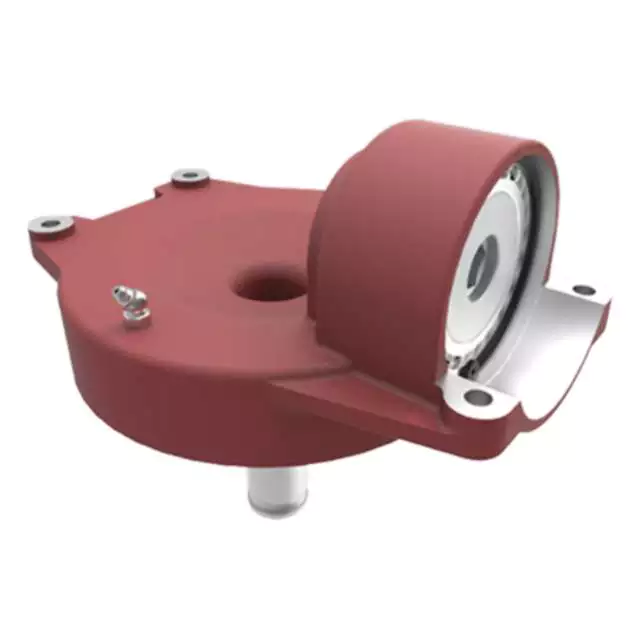
Impact of Gear Ratios on Machinery Performance in Agricultural Gearboxes
The gear ratio in agricultural gearboxes plays a crucial role in determining the performance of machinery. It directly affects the relationship between the input and output speeds and torques. Here’s how gear ratios influence machinery performance:
- Speed and Torque Conversion: Gear ratios allow for the conversion of speed and torque between the input and output shafts. Higher gear ratios can reduce output speed while increasing output torque, making it suitable for tasks requiring high power.
- Power and Efficiency: Gear ratios affect the efficiency of power transmission. While reducing the speed through higher gear ratios can increase torque, it’s essential to strike a balance to maintain efficiency. Lower efficiency can lead to energy loss and increased heat generation.
- Task Adaptability: Different agricultural tasks require varying levels of torque and speed. Gear ratios enable machinery to be adaptable to different tasks by providing the necessary torque for heavy-duty activities like plowing or tilling and higher speeds for tasks like transport.
- Optimal Performance: Selecting the appropriate gear ratio ensures that machinery operates within its optimal performance range. It prevents overloading the engine or the gearbox, contributing to smoother operation and reduced wear and tear.
- Productivity and Fuel Efficiency: Proper gear ratios can enhance the overall productivity of agricultural machinery. By optimizing torque and speed, tasks can be completed efficiently, reducing the time and fuel consumption required for operations.
- Consideration of Terrain: Different terrains and field conditions require adjustments in gear ratios. Steep slopes or heavy soil may necessitate lower gear ratios for increased torque, while flat terrain could benefit from higher ratios for faster operation.
- Impact on Components: Gear ratios can influence the load distribution on gearbox components. Higher gear ratios might subject components to increased forces and stresses, potentially affecting their lifespan.
- Operator Comfort: Proper gear ratios contribute to operator comfort by providing the necessary power for smooth operation without straining the machinery. This can lead to reduced operator fatigue and improved safety.
- Personalizzazione: Some modern agricultural equipment offers adjustable or variable gear ratios, allowing operators to fine-tune machinery performance based on specific tasks and conditions.
Choosing the right gear ratio for agricultural gearboxes involves considering factors such as the intended task, soil conditions, and equipment specifications. It’s essential to strike a balance between torque and speed to achieve optimal machinery performance and maximize productivity.
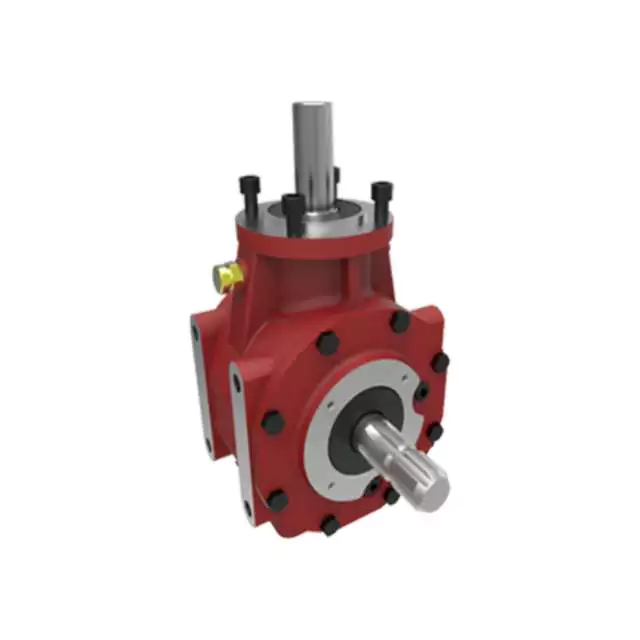
Gestione delle diverse esigenze di coppia con i riduttori agricoli
I riduttori agricoli sono progettati per gestire le diverse esigenze di coppia associate alle varie operazioni agricole. I requisiti di coppia possono variare in base a fattori quali il tipo di operazione, le condizioni del terreno, la conformazione del suolo e la velocità del macchinario. I riduttori agricoli sono dotati di caratteristiche che consentono loro di adattarsi a queste diverse esigenze di coppia:
- Selezione del rapporto di trasmissione: I riduttori agricoli sono spesso dotati di diversi rapporti di trasmissione, consentendo agli operatori di selezionare quello più adatto al lavoro da svolgere. I rapporti più bassi offrono una coppia maggiore per le operazioni che richiedono più forza, come l'aratura o la fresatura, mentre i rapporti più alti offrono velocità maggiori per attività come la falciatura o il trasporto.
- Moltiplicatore di coppia: Alcuni cambi agricoli sono progettati con moltiplicatori di coppia che aumentano la coppia erogata dal motore alle ruote o all'attrezzo. Questi moltiplicatori si attivano quando è necessaria una coppia maggiore, aiutando i macchinari a gestire carichi pesanti o terreni difficili.
- Velocità regolabili: Molti riduttori agricoli consentono agli operatori di regolare la velocità del macchinario in base alle esigenze di coppia del lavoro. Questa flessibilità è essenziale per le operazioni che richiedono sia una coppia elevata a bassa velocità, sia operazioni ad alta velocità con esigenze di coppia inferiori.
- Opzioni per la presa di forza (PTO): I riduttori agricoli sono spesso dotati di meccanismi di presa di forza che consentono il trasferimento di potenza dal motore agli attrezzi collegati. Questi meccanismi possono essere progettati per fornire diverse coppie motrici in base alle esigenze dei vari attrezzi, come fresatrici, presse o pompe.
La capacità dei riduttori agricoli di gestire diverse esigenze di coppia è fondamentale per garantire operazioni agricole efficienti ed efficaci. Offrendo rapporti di trasmissione regolabili, moltiplicatori di coppia e velocità adattabili, questi riduttori consentono agli agricoltori di ottimizzare le prestazioni dei loro macchinari in base alle specifiche esigenze di ogni lavoro.
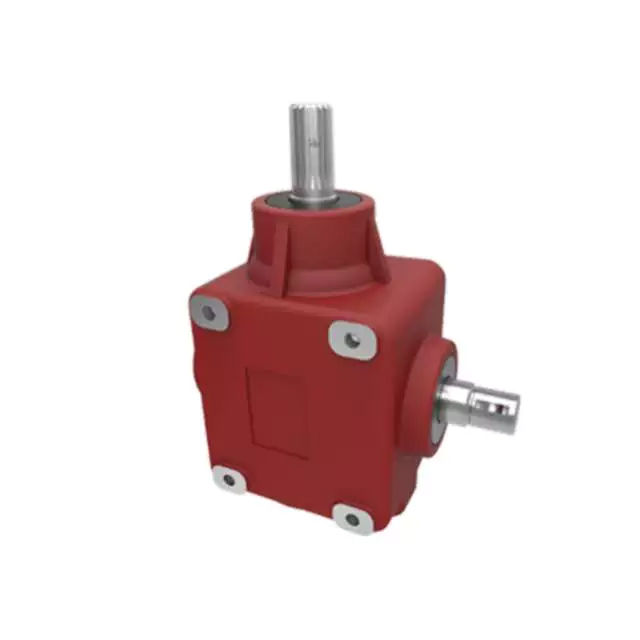
Key Features of a Durable and Reliable Agricultural Gearbox
A durable and reliable agricultural gearbox is crucial for the efficient operation of farming equipment and machinery. The following key features contribute to the durability and reliability of agricultural gearboxes:
- High-Quality Materials: Agricultural gearboxes are often exposed to harsh conditions, including dust, debris, and varying weather. Using high-quality materials, such as strong alloy steels, can enhance the gearbox’s resistance to wear, corrosion, and other forms of deterioration.
- Rugged Construction: The gearbox should have a robust and rugged construction to withstand the stresses and strains associated with agricultural tasks. Reinforced housings, precision machining, and robust seals can help prevent damage and ensure longevity.
- Effective Lubrication System: Proper lubrication is vital to reduce friction, dissipate heat, and prevent premature wear. Agricultural gearboxes should be equipped with efficient lubrication systems that ensure all components are adequately lubricated, even during extended operation.
- Sigillatura e protezione: Dust, dirt, and moisture are common challenges in agricultural environments. Effective sealing mechanisms, such as gaskets and seals, prevent contaminants from entering the gearbox and protect internal components from damage.
- Dissipazione del calore: The gearbox should be designed to dissipate heat effectively, especially during prolonged operation. Overheating can lead to lubrication breakdown and premature wear. Cooling fins and adequate ventilation can help maintain optimal operating temperatures.
- Gear Quality and Precision: High-quality gears with accurate tooth profiles and precision manufacturing ensure smooth and efficient power transmission. Properly machined gears reduce noise, vibration, and the risk of gear failures.
- Advanced Gear Design: Some agricultural gearboxes may feature advanced gear designs, such as helical or planetary gears. These designs offer improved efficiency, reduced noise, and increased load-bearing capacity compared to traditional spur gears.
- Protezione da sovraccarico: Incorporating overload protection mechanisms, such as shear pins or clutch systems, can prevent damage to the gearbox and other connected components in case of sudden high loads or jams.
- Easy Maintenance Access: The gearbox should be designed with maintenance in mind. Accessible inspection points, drain plugs, and fill ports make it easier for operators to perform routine maintenance tasks.
Manufacturers often engineer agricultural gearboxes to meet these requirements, ensuring that they can withstand the demanding conditions of farming operations and contribute to the reliable performance of agricultural machinery.


editor by CX 2024-02-11