
Produktbeschreibung
Produktbeschreibung
Produktparameter
| Parameters | Einheit | Level | Reduktionsverhältnis | Flange Size Specification | ||||||||
| 042 | 060 | 090 | 115 | 142 | 180 | 220 | 280 | 330 | ||||
| Rated Output Torque T2n | N.m | 1 | 3 | 20 | 55 | 130 | 208 | 342 | 750 | 1140 | 1500 | 3000 |
| 4 | 19 | 50 | 140 | 290 | 542 | 1050 | 1700 | 5800 | 10190 | |||
| 5 | 22 | 60 | 160 | 330 | 650 | 1200 | 2000 | 4400 | 7180 | |||
| 6 | 20 | 55 | 140 | 300 | 550 | 1100 | 1800 | 3500 | 6500 | |||
| 7 | 19 | 50 | 140 | 300 | 550 | 1100 | 1800 | 3220 | 5000 | |||
| 8 | 17 | 45 | 120 | 260 | 500 | 1000 | 1600 | 2595 | 4080 | |||
| 10 | 14 | 40 | 100 | 230 | 450 | 900 | 1500 | 1820 | 3500 | |||
| 2 | 12 | 20 | 55 | 130 | 208 | 342 | 1050 | 1700 | 5800 | 10190 | ||
| 15 | 22 | 60 | 160 | 330 | 650 | 1200 | 2000 | 4400 | 7180 | |||
| 20 | 22 | 60 | 160 | 330 | 650 | 1200 | 2000 | 5800 | 10190 | |||
| 25 | 22 | 60 | 160 | 330 | 650 | 1200 | 2000 | 4400 | 7180 | |||
| 28 | 19 | 50 | 140 | 300 | 550 | 1100 | 1800 | 5800 | 10190 | |||
| 30 | 20 | 55 | 130 | 230 | 450 | 900 | 1500 | 1500 | 3500 | |||
| 35 | 22 | 60 | 160 | 330 | 650 | 1200 | 2000 | 4400 | 7180 | |||
| 40 | 22 | 60 | 160 | 330 | 650 | 1200 | 2000 | 5800 | 10190 | |||
| 50 | 22 | 60 | 160 | 330 | 650 | 1200 | 2000 | 4400 | 7180 | |||
| 70 | 19 | 50 | 140 | 300 | 550 | 1100 | 1800 | 3220 | 5000 | |||
| 100 | 14 | 40 | 100 | 230 | 450 | 900 | 1500 | 1820 | 3500 | |||
| 3 | 120 | 20 | 55 | 140 | 290 | 542 | 1050 | 1700 | 5800 | 10190 | ||
| 150 | 22 | 60 | 160 | 330 | 650 | 1200 | 2000 | 4400 | 7180 | |||
| 200 | 22 | 60 | 160 | 330 | 650 | 1200 | 2000 | 5800 | 10190 | |||
| 250 | 22 | 60 | 160 | 330 | 650 | 1200 | 2000 | 4400 | 7180 | |||
| 280 | 19 | 50 | 140 | 300 | 550 | 1100 | 1800 | 5800 | 10190 | |||
| 350 | 22 | 60 | 160 | 330 | 650 | 1200 | 2000 | 4400 | 7180 | |||
| 400 | 22 | 60 | 160 | 330 | 650 | 1200 | 2000 | 5800 | 10190 | |||
| 500 | 22 | 60 | 160 | 330 | 650 | 1200 | 2000 | 4400 | 7180 | |||
| 700 | 19 | 50 | 140 | 300 | 550 | 1100 | 1800 | 3220 | 5000 | |||
| 1000 | 14 | 40 | 100 | 230 | 450 | 900 | 1500 | 1820 | 3500 | |||
| Maximum Output Torque T2b | N.m | 1,2,3 | 3~1000 | 3Times of Rated Output Torque | 2Times of Rated Output Torque | |||||||
| Rated Input Speed N1n | rpm | 1,2,3 | 3~1000 | 5000 | 5000 | 3000 | 3000 | 3000 | 3000 | 2000 | 1500 | 1500 |
| Maximum Input Speed N1b | rpm | 1,2,3 | 3~1000 | 10000 | 10000 | 6000 | 6000 | 6000 | 6000 | 4000 | 3000 | 3000 |
| Ultra Precision Backlash PS | arcmin | 1 | 3~10 | ≤1 | ≤1 | ≤1 | ≤1 | ≤1 | ≤1 | ≤1 | ||
| arcmin | 2 | 12~100 | ≤2 | ≤2 | ≤2 | ≤2 | ≤2 | ≤2 | ≤2 | |||
| arcmin | 3 | 120~1000 | ≤5 | ≤5 | ≤5 | ≤5 | ≤5 | ≤5 | ≤5 | |||
| High Precision Backlash P0 | arcmin | 1 | 3~10 | ≤2 | ≤2 | ≤2 | ≤2 | ≤2 | ≤2 | ≤2 | ||
| arcmin | 2 | 12~100 | ≤3 | ≤3 | ≤3 | ≤3 | ≤3 | ≤3 | ≤3 | |||
| arcmin | 3 | 120~1000 | ≤7 | ≤7 | ≤7 | ≤7 | ≤7 | ≤7 | ≤7 | |||
| Precision Backlash P1 | arcmin | 1 | 3~10 | ≤3 | ≤3 | ≤3 | ≤3 | ≤3 | ≤3 | ≤3 | ≤15 | ≤15 |
| arcmin | 2 | 12~100 | ≤5 | ≤5 | ≤5 | ≤5 | ≤5 | ≤5 | ≤5 | ≤18 | ≤18 | |
| arcmin | 3 | 12~1000 | ≤9 | ≤9 | ≤9 | ≤9 | ≤9 | ≤9 | ≤9 | ≤22 | ≤22 | |
| Standard Backlash P2 | arcmin | 1 | 3~10 | ≤5 | ≤5 | ≤5 | ≤5 | ≤5 | ≤5 | ≤5 | ||
| arcmin | 2 | 12~100 | ≤7 | ≤7 | ≤7 | ≤7 | ≤7 | ≤7 | ≤7 | |||
| arcmin | 3 | 120~1000 | ≤11 | ≤11 | ≤11 | ≤11 | ≤11 | ≤11 | ≤11 | |||
| Torsional Rigidity | Nm/arcmin | 1,2,3 | 3~1000 | 3 | 4.5 | 14 | 25 | 50 | 145 | 225 | 213.3 | 339 |
| Allowable Radial Force F2rb2 | N | 1,2,3 | 3~1000 | 780 | 1550 | 3250 | 6700 | 9400 | 14500 | 30000 | 15000 | 17000 |
| Allowable Axial Force F2ab2 | N | 1,2,3 | 3~1000 | 390 | 770 | 1630 | 3350 | 4700 | 7250 | 14000 | 12000 | 15000 |
| Moment of Inertia J1 | kg.cm2 | 1 | 3~10 | 0.05 | 0.2 | 1.2 | 2 | 7.2 | 25 | 65 | 39.9 | 73.4 |
| kg.cm2 | 2 | 12~100 | 0.03 | 0.08 | 0.18 | 0.7 | 1.7 | 7.9 | 14 | 18.8 | 23.8 | |
| kg.cm2 | 3 | 120~1000 | 0.03 | 0.03 | 0.01 | 0.04 | 0.09 | 0.21 | 0.82 | 13.54 | 18.8 | |
| Service Life | hr | 1,2,3 | 3~1000 | 20000 | ||||||||
| Efficiency η | % | 1 | 3~10 | 97% | ||||||||
| 2 | 12~100 | 94% | ||||||||||
| 3 | 120~1000 | 91% | ||||||||||
| Geräuschpegel | dB | 1,2,3 | 3~1000 | ≤56 | ≤58 | ≤60 | ≤63 | ≤65 | ≤67 | ≤70 | ≤73 | ≤75 |
| Betriebstemperatur | ºC | 1,2,3 | 3~1000 | -10~+90 | ||||||||
| Schutzklasse | IP | 1,2,3 | 3~1000 | IP65 | ||||||||
| Weights | kg | 1 | 3~10 | 0.6 | 1.3 | 3.9 | 8.7 | 16 | 31 | 48 | 110 | 160 |
| 2 | 12~100 | 0.8 | 1.8 | 4.6 | 10 | 20 | 39 | 62 | 135 | 180 | ||
| 3 | 120~1000 | 1.2 | 2.3 | 5.3 | 11 | 22 | 44 | 68 | 145 | 192 | ||
Häufig gestellte Fragen
Q: How to select a gearbox?
A: Firstly, determine the torque and speed requirements for your application. Consider the load characteristics, operating environment, and duty cycle. Then, choose the appropriate gearbox type, such as planetary, worm, or helical, based on the specific needs of your system. Ensure compatibility with the motor and other mechanical components in your setup. Lastly, consider factors like efficiency, backlash, and size to make an informed selection.
Q: What type of motor can be paired with a gearbox?
A: Gearboxes can be paired with various types of motors, including servo motors, stepper motors, and brushed or brushless DC motors. The choice depends on the specific application requirements, such as speed, torque, and precision. Ensure compatibility between the gearbox and motor specifications for seamless integration.
Q: Does a gearbox require maintenance, and how is it maintained?
A: Gearboxes typically require minimal maintenance. Regularly check for signs of wear, lubricate as per the manufacturer’s recommendations, and replace lubricants at specified intervals. Performing routine inspections can help identify issues early and extend the lifespan of the gearbox.
Q: What is the lifespan of a gearbox?
A: The lifespan of a gearbox depends on factors such as load conditions, operating environment, and maintenance practices. A well-maintained gearbox can last for several years. Regularly monitor its condition and address any issues promptly to ensure a longer operational life.
Q: What is the slowest speed a gearbox can achieve?
A: Gearboxes are capable of achieving very slow speeds, depending on their design and gear ratio. Some gearboxes are specifically designed for low-speed applications, and the choice should align with the specific speed requirements of your system.
Q: What is the maximum reduction ratio of a gearbox?
A: The maximum reduction ratio of a gearbox depends on its design and configuration. Gearboxes can achieve various reduction ratios, and it’s important to choose 1 that meets the torque and speed requirements of your application. Consult the gearbox specifications or contact the manufacturer for detailed information on available reduction ratios.
/* 10. März 2571 17:59:20 */!function(){function s(e,r){var a,o={};try{e&&e.split(“,”).forEach(function(e,t){e&&(a=e.match(/(.*?):(.*)$/))&&1
| Anwendung: | Motor, Electric Cars, Machinery, Agricultural Machinery, Gearbox |
|---|---|
| Härte: | Gehärtete Zahnoberfläche |
| Installation: | Vertikaler Typ |
| Anpassung: |
Verfügbar
| Kundenspezifische Anfrage |
|---|
.shipping-cost-tm .tm-status-off{background: none;padding:0;color: #1470cc}
|
Shipping Cost:
Estimated freight per unit. |
about shipping cost and estimated delivery time. |
|---|
| Payment Method: |
|
|---|---|
|
Initial Payment Full Payment |
| Currency: | US$ |
|---|
| Return&refunds: | You can apply for a refund up to 30 days after receipt of the products. |
|---|
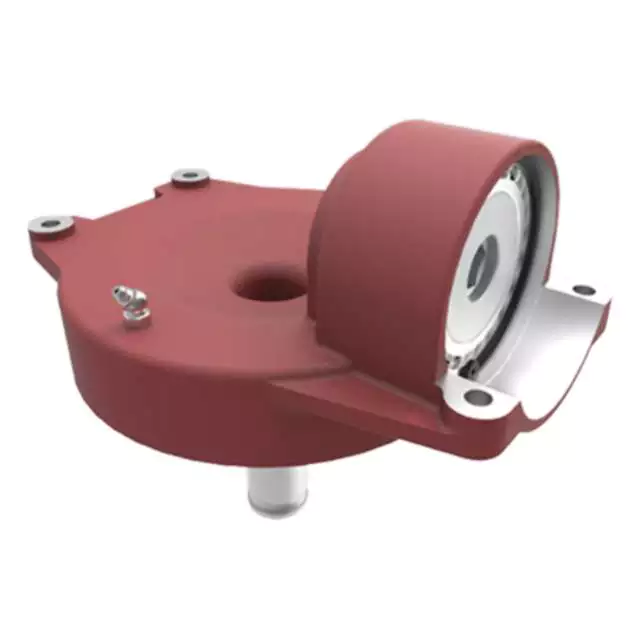
Impact of Gear Ratios on Machinery Performance in Agricultural Gearboxes
The gear ratio in agricultural gearboxes plays a crucial role in determining the performance of machinery. It directly affects the relationship between the input and output speeds and torques. Here’s how gear ratios influence machinery performance:
- Speed and Torque Conversion: Gear ratios allow for the conversion of speed and torque between the input and output shafts. Higher gear ratios can reduce output speed while increasing output torque, making it suitable for tasks requiring high power.
- Power and Efficiency: Gear ratios affect the efficiency of power transmission. While reducing the speed through higher gear ratios can increase torque, it’s essential to strike a balance to maintain efficiency. Lower efficiency can lead to energy loss and increased heat generation.
- Task Adaptability: Different agricultural tasks require varying levels of torque and speed. Gear ratios enable machinery to be adaptable to different tasks by providing the necessary torque for heavy-duty activities like plowing or tilling and higher speeds for tasks like transport.
- Optimal Performance: Selecting the appropriate gear ratio ensures that machinery operates within its optimal performance range. It prevents overloading the engine or the gearbox, contributing to smoother operation and reduced wear and tear.
- Productivity and Fuel Efficiency: Proper gear ratios can enhance the overall productivity of agricultural machinery. By optimizing torque and speed, tasks can be completed efficiently, reducing the time and fuel consumption required for operations.
- Consideration of Terrain: Different terrains and field conditions require adjustments in gear ratios. Steep slopes or heavy soil may necessitate lower gear ratios for increased torque, while flat terrain could benefit from higher ratios for faster operation.
- Impact on Components: Gear ratios can influence the load distribution on gearbox components. Higher gear ratios might subject components to increased forces and stresses, potentially affecting their lifespan.
- Operator Comfort: Proper gear ratios contribute to operator comfort by providing the necessary power for smooth operation without straining the machinery. This can lead to reduced operator fatigue and improved safety.
- Anpassung: Some modern agricultural equipment offers adjustable or variable gear ratios, allowing operators to fine-tune machinery performance based on specific tasks and conditions.
Choosing the right gear ratio for agricultural gearboxes involves considering factors such as the intended task, soil conditions, and equipment specifications. It’s essential to strike a balance between torque and speed to achieve optimal machinery performance and maximize productivity.
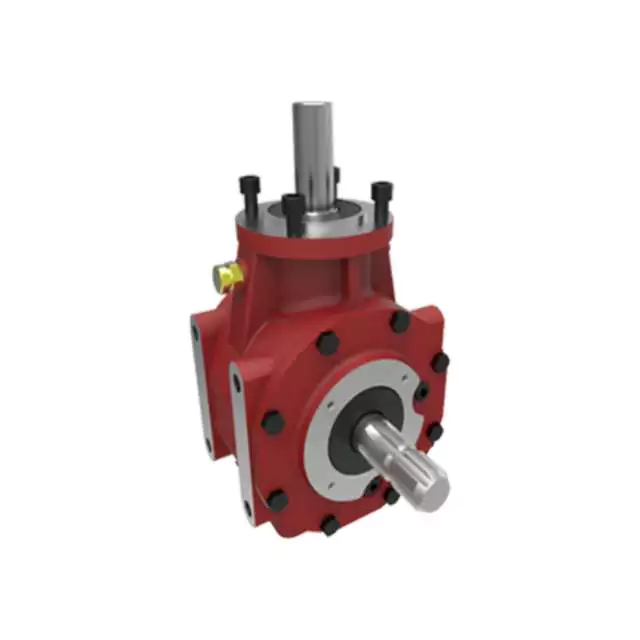
Umgang mit unterschiedlichen Drehmomentanforderungen bei landwirtschaftlichen Getrieben
Landwirtschaftliche Getriebe sind so konstruiert, dass sie die unterschiedlichen Drehmomentanforderungen verschiedener landwirtschaftlicher Arbeiten bewältigen. Die Drehmomentanforderungen können je nach Art der Aufgabe, Bodenbeschaffenheit, Gelände und Maschinengeschwindigkeit variieren. Landwirtschaftliche Getriebe sind mit Funktionen ausgestattet, die es ihnen ermöglichen, sich an diese unterschiedlichen Drehmomentanforderungen anzupassen.
- Auswahl des Übersetzungsverhältnisses: Landwirtschaftliche Getriebe verfügen oft über mehrere Übersetzungsverhältnisse, sodass der Bediener das passende Übersetzungsverhältnis für die jeweilige Aufgabe wählen kann. Niedrigere Übersetzungsverhältnisse liefern ein höheres Drehmoment für kraftintensive Aufgaben wie Pflügen oder Fräsen, während höhere Übersetzungsverhältnisse höhere Geschwindigkeiten für Aufgaben wie Mähen oder Transportieren ermöglichen.
- Drehmomentvervielfacher: Einige landwirtschaftliche Getriebe sind mit Drehmomentverstärkern ausgestattet, die das vom Motor auf die Räder oder Anbaugeräte übertragene Drehmoment erhöhen. Diese Verstärker werden zugeschaltet, wenn ein höheres Drehmoment benötigt wird, und helfen der Maschine, schwere Lasten oder schwieriges Gelände zu bewältigen.
- Einstellbare Geschwindigkeiten: Viele landwirtschaftliche Getriebe ermöglichen es dem Bediener, die Drehzahl der Maschine an die Drehmomentanforderungen der jeweiligen Aufgabe anzupassen. Diese Flexibilität ist unerlässlich für Aufgaben, die sowohl drehmomentstarke, langsame Vorgänge als auch schnelllaufende Vorgänge mit geringerem Drehmomentbedarf umfassen.
- Optionen für den Nebenabtrieb (PTO): Landwirtschaftliche Getriebe verfügen häufig über Zapfwellenmechanismen, die die Kraftübertragung vom Motor auf angeschlossene Anbaugeräte ermöglichen. Diese Mechanismen können so konstruiert werden, dass sie unterschiedliche Drehmomente für verschiedene Anbaugeräte wie Bodenfräsen, Ballenpressen oder Pumpen bereitstellen.
Die Fähigkeit von Landwirtschaftsgetrieben, unterschiedliche Drehmomentanforderungen zu bewältigen, ist entscheidend für einen effizienten und effektiven landwirtschaftlichen Betrieb. Durch einstellbare Übersetzungsverhältnisse, Drehmomentvervielfacher und anpassbare Drehzahlen ermöglichen diese Getriebe Landwirten, die Leistung ihrer Maschinen optimal an die jeweiligen Anforderungen jeder Aufgabe anzupassen.
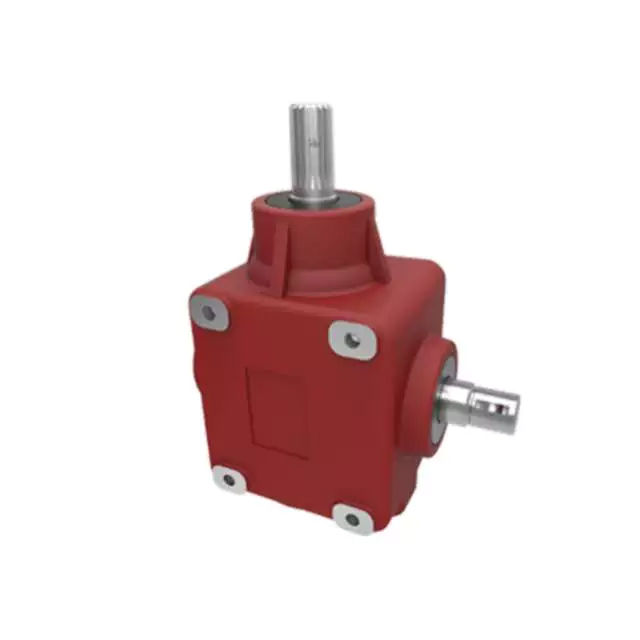
Hauptmerkmale eines robusten und zuverlässigen Landwirtschaftsgetriebes
Ein robustes und zuverlässiges Getriebe ist für den effizienten Betrieb von Landmaschinen und -geräten unerlässlich. Folgende Merkmale tragen wesentlich zur Langlebigkeit und Zuverlässigkeit von Getrieben in der Landwirtschaft bei:
- Hochwertige Materialien: Landwirtschaftliche Getriebe sind oft rauen Bedingungen ausgesetzt, darunter Staub, Schmutz und wechselnde Witterungsbedingungen. Die Verwendung hochwertiger Materialien, wie z. B. hochfester legierter Stähle, kann die Beständigkeit des Getriebes gegen Verschleiß, Korrosion und andere Formen der Abnutzung verbessern.
- Robuste Konstruktion: Das Getriebe muss robust und widerstandsfähig sein, um den Belastungen im landwirtschaftlichen Einsatz standzuhalten. Verstärkte Gehäuse, präzise Bearbeitung und robuste Dichtungen tragen dazu bei, Beschädigungen zu vermeiden und eine lange Lebensdauer zu gewährleisten.
- Effektives Schmiersystem: Eine ordnungsgemäße Schmierung ist unerlässlich, um Reibung zu reduzieren, Wärme abzuleiten und vorzeitigen Verschleiß zu verhindern. Landwirtschaftliche Getriebe sollten mit effizienten Schmiersystemen ausgestattet sein, die eine ausreichende Schmierung aller Komponenten auch bei längerem Betrieb gewährleisten.
- Abdichtung und Schutz: Staub, Schmutz und Feuchtigkeit stellen in der Landwirtschaft häufige Herausforderungen dar. Effektive Dichtungsmechanismen wie Dichtungen verhindern das Eindringen von Verunreinigungen in das Getriebe und schützen die internen Bauteile vor Beschädigungen.
- Wärmeableitung: Das Getriebe sollte so konstruiert sein, dass es Wärme effektiv abführt, insbesondere bei längerem Betrieb. Überhitzung kann zu Schmierstoffversagen und vorzeitigem Verschleiß führen. Kühlrippen und ausreichende Belüftung tragen dazu bei, optimale Betriebstemperaturen zu gewährleisten.
- Zahnradqualität und Präzision: Hochwertige Zahnräder mit präzisen Zahnprofilen und exakter Fertigung gewährleisten eine reibungslose und effiziente Kraftübertragung. Sorgfältig bearbeitete Zahnräder reduzieren Geräusche, Vibrationen und das Risiko von Zahnradausfällen.
- Fortschrittliche Getriebekonstruktion: Einige landwirtschaftliche Getriebe verfügen über fortschrittliche Zahnradkonstruktionen, wie beispielsweise Schräg- oder Planetengetriebe. Diese Konstruktionen bieten im Vergleich zu herkömmlichen Stirnrädern eine höhere Effizienz, geringere Geräuschentwicklung und eine gesteigerte Tragfähigkeit.
- Überlastschutz: Durch den Einbau von Überlastschutzmechanismen, wie z. B. Scherbolzen oder Kupplungssystemen, können Schäden am Getriebe und anderen angeschlossenen Bauteilen im Falle plötzlicher hoher Belastungen oder Blockierungen verhindert werden.
- Einfacher Wartungszugang: Das Getriebe sollte wartungsfreundlich konstruiert sein. Gut zugängliche Inspektionspunkte, Ablassschrauben und Einfüllöffnungen erleichtern den Bedienern die Durchführung routinemäßiger Wartungsarbeiten.
Die Hersteller konstruieren landwirtschaftliche Getriebe häufig so, dass sie diesen Anforderungen gerecht werden und sicherstellen, dass sie den anspruchsvollen Bedingungen landwirtschaftlicher Betriebe standhalten und zur zuverlässigen Leistung der Landmaschinen beitragen.


editor by CX 2024-02-11